
Relentless Contenders
On some nights late in the 2024-25 season, San Siro felt like a haunted cathedral. Milan was slipping toward eighth place in Serie A, their worst league finish in a decade and a tough spot for a club that measures itself against European giants. By the time 2025 arrived, the tone had shifted. A new coach, a more effective game plan, and a fan base that refused to let the drums go silent transformed AC Milan’s season into a story of recovery and risk.
This is the year when the Rossoneri tried to remember who they are – not just in the standings, but in how they move the ball, press, and endure together.
From the Wreckage of 2024-25 to a New Direction
The 2024-25 season ended with Milan in eighth place in Serie A, a brutal reminder that big shirts alone don’t win matches. Ownership under RedBird Capital Partners stayed the same, Paolo Scaroni remained president, but on the bench the club had already ridden a rollercoaster: Paulo Fonseca started the season, only to be replaced by Sérgio Conceição in December 2024 as results drifted.
When the dust finally settled, the leadership turned to Massimiliano Allegri, appointed head coach on 30 May 2025. The brief was simple to describe and difficult to execute: make Milan hard to beat again, restore structure and get even more out of Rafael Leão and Christian Pulisic, the two forwards most capable of twisting games with a single run or finish.
Allegri's Blueprint: Compact, Cynical, and Occasionally Ruthless
In 2025, Milan’s identity shifted from the instability of the previous campaign to a more disciplined approach. Under Allegri, they switch formations – often a back four in a 4-3-3 or 4-2-3-1, but also a 3-5-2 in certain matches like the opener against Cremonese – always with the same focus: tighten the team between the lines and strike quickly when the ball is regained.
Key elements of his plan:
- Defensive block: a disciplined mid-block instead of wild high pressing, closing central lanes first and forcing opponents wide.
- Wide threats: Leão and Pulisic starting wide but constantly attacking the half-spaces, either to shoot or to slip runners through.
- Double pivot: in tougher games, a pair of holding midfielders protects the back line and recycles possession instead of chasing every transition.
- Set-piece focus: extra sessions on corners and free-kicks, a direct reaction to soft goals conceded from dead balls in 2024-25.
It isn’t romantic football every week. But after the scars of 2024-25, most Milanisti were no longer asking for romance; they were asking for clean sheets and cold efficiency.
Key Matches That Shaped the 2025 Narrative
A season is a long road, but certain nights define the journey.
AC Milan 1–2 Cremonese (23 August 2025) - The league opener defeat at home felt like an open-handed slap. Lining up in a 3-5-2, Milan were slow in possession and loose without the ball, undone 2–1 at San Siro by a newly promoted side and handing Allegri his first competitive loss in charge. The lesson was simple: reputations do not press, track or block crosses.
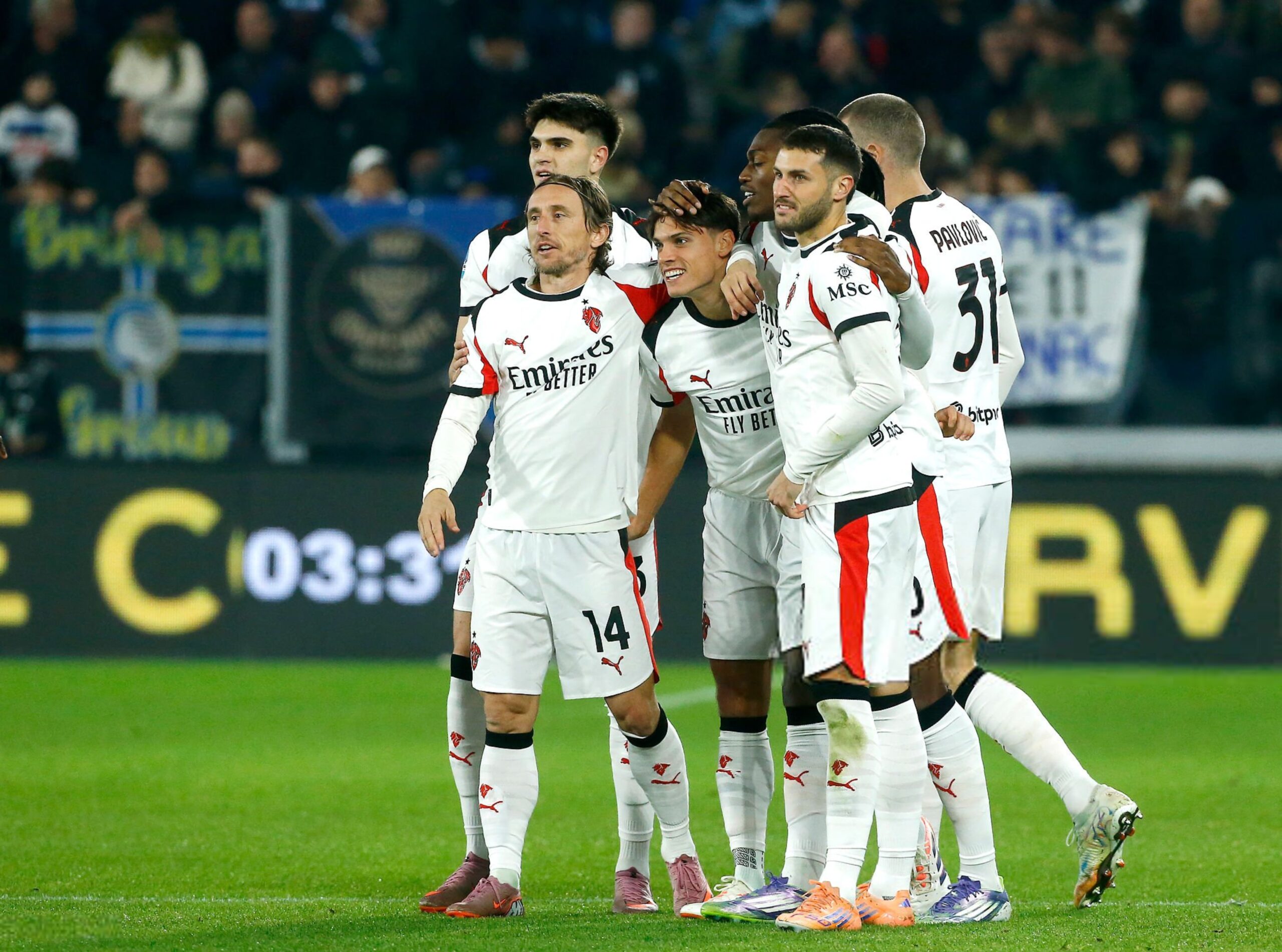
Udinese 0–3 AC Milan (20 September 2025) - This was the response. At the Bluenergy Stadium, Milan produced a ruthless away performance in a 3-5-2: compact shape, quick transitions and attacking patterns that looked like training-ground drills executed at full speed. Christian Pulisic struck twice and Youssouf Fofana added another, underlining both the team’s vertical threat and their renewed organisation without the ball. Suddenly, Allegri’s blueprint had proof of concept.
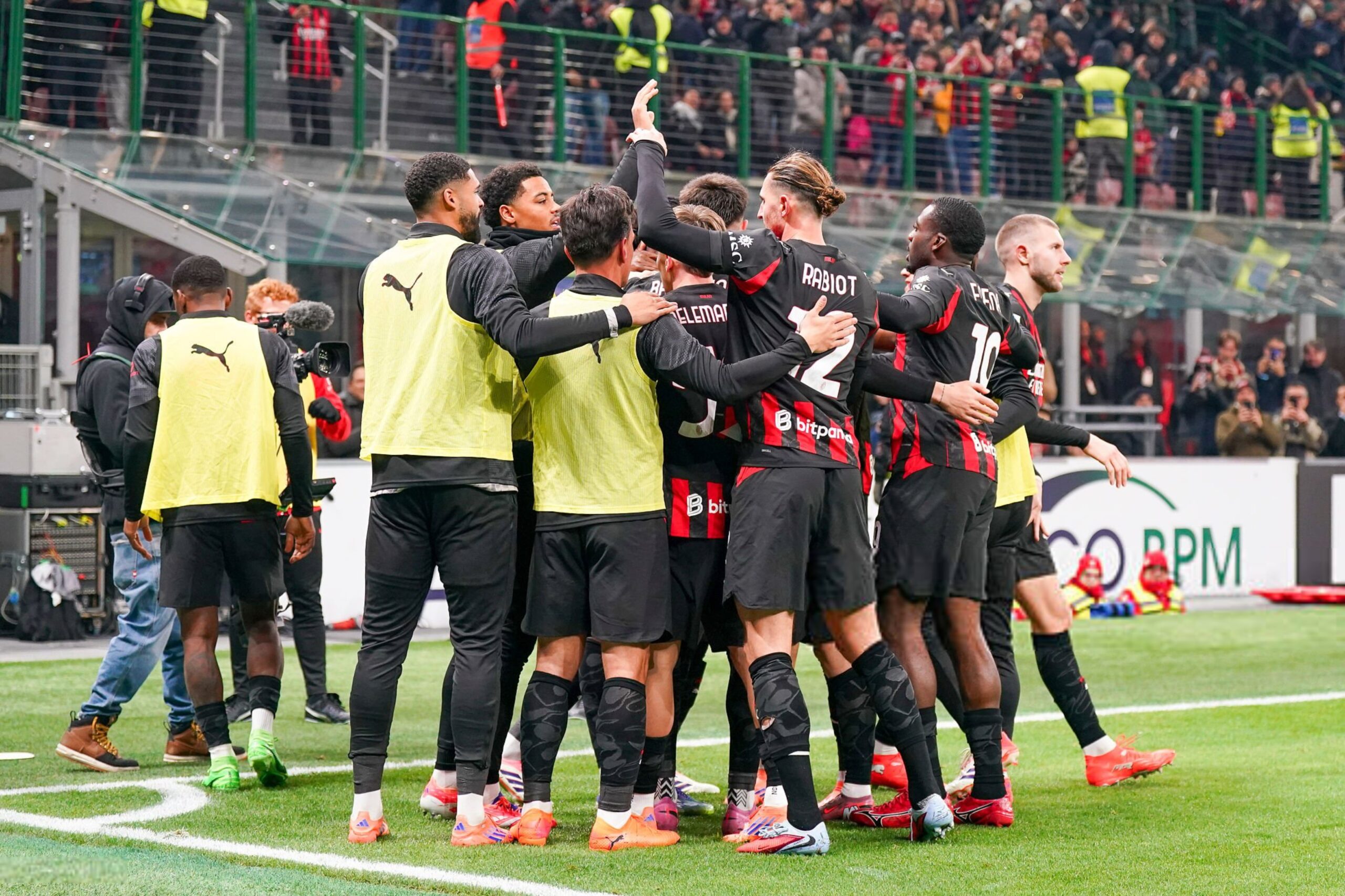
AC Milan 2–1 Napoli (28 September 2025) - At home against reigning champions Napoli, Milan showed they could suffer without collapsing. Alexis Saelemaekers opened the scoring, Pulisic created that goal and then made it 2–0 himself, before Kevin De Bruyne’s penalty and Pervis Estupiñán’s red card turned the second half into a siege. Ten-man Milan held on, inflicting Napoli’s first defeat of the league season and climbing to the top of the table on the night.
Juventus 0–0 AC Milan (5 October 2025) - Not a thriller, but a statement of resilience. In Turin, Milan produced a controlled performance, creating the best chance of the game when Pulisic fired a penalty over the bar yet still keeping a clean sheet against a Juventus side desperate to restart their own title push. San Siro may love drama, but this goalless draw underlined that the Rossoneri could now manage big games without panic.
As of early December 2025, Milan sit in the top three with 28 points from 13 Serie A matches, just behind Inter and level on points with Napoli, very much back in the title race.
The numbers Behind the Climb:
You can feel a season in your bones, but numbers tell you if your bones are lying. Looking at Milan’s 2025 data under Allegri:
- Across all competitions, they have 10 wins, 4 draws and just 2 defeats from 16 matches, scoring 24 and conceding only 10; nine of those goals have come in Serie A, giving them a +10 goal difference after 13 league games.
- In the league, that defensive record – 19 scored, 9 conceded – is among the best in Italy, and a clear improvement on the instability that marked much of 2024-25.
- Rafael Leão and Christian Pulisic share the tag of Milan’s top league scorers with five Serie A goals each, while Pulisic leads the club in all competitions with seven.
- Clean sheets in statement fixtures – away to Juventus, at home in the Coppa Italia, and in other tight league wins – point to a side that now knows how to close a game as well as open it.
Beyond the raw scores, match reports and possession data from sources like Serie A and ESPN show a consistent pattern: Milan are allowing fewer clear chances, spending more time in structured possession and relying less on chaotic exchanges than a year ago.
Living the Season in Viewing Centres with Betting slips in Hand
Far from San Siro’s concrete stands and echoes, there are crowded viewing centers where generators hum, plastic chairs drag, and Milan jerseys sit alongside local club shirts. Fans debate line-ups, the strength of Leão’s talent, and Allegri’s substitutions while screens glow blue in the darkness. For some of these spectators, the drama is heightened by small, pre-arranged bets on match results, goal scorers, and corners.
In this setting, casino-style games linked to football fandom have become a kind of digital halftime show. A quick, aviation-themed crash game on a betting platform can fit between matches or during lengthy VAR checks. When someone opens a casino section to play melbet aviator, they’re not just chasing a multiplier; they’re extending the emotional journey of the night with a game that rises and falls in seconds. The brand behind it has an international license from Curaçao, offers over 60 payment methods including local options, and supports more than 60 interface languages, making it accessible even in places where banking is fragmented and mobile money is the norm.
For many adults who choose to play, the appeal is similar to a tense second half at San Siro: clearly defined rules, a transparent scoreline, and the feeling that every decision, from a timed cash-out to a well-judged bet on corners, adds a little extra excitement.
Tactics, Risk, and the Casino Mindset
Allegri often talks about "managing moments", and knowing when to push numbers forward and when to sit on a lead. That idea travels easily from the touchline to the casino lobby. The smarter Milan fans who drift from match streams into the casino sections after full-time tend to treat those games as tactical puzzles, not miracles.
Crash titles, slot-style games, and live casino tables all condense risk into brief moments. For that segment of the audience, they are less about chasing a massive payout and more about fitting in a few controlled bursts of adrenaline between matches. Tutorials on sites explaining how to play melbet aviator often emphasize that it’s a simple, round-based casino game centered on timing and discipline — you select your stake, watch the multiplier increase, and decide when to cash out before the crash. The players who last the longest in that world aren’t necessarily the loudest winners but are those who set firm limits, recognize that the house edge is always present, and walk away when their funds are exhausted. MelBet has evolved into a global operator with tens of millions of monthly users, holds a Curaçao license and several local licenses, and relies heavily on responsible gaming tools and verified payment methods to ensure the experience remains organized rather than chaotic.
For fans strpped in tactical talk all week, that mindset feels familiar: control what you can; know when to retreat; live to fight the next fixture.
What This Season Tells Us About Milan - And About Risk:
Strip away the noise, and AC Milan’s 2025 story is about a club rediscovering the value of structure. After a free-fall league campaign, they trusted a coach who prizes balance over fireworks, reshaped a squad around Leão and Pulisic’s cutting edge, and slowly rebuilt the habit of winning ugly when necessary.
In the viewing centres and living rooms where the games are watched, the same lesson plays out on smaller screens. Whether it’s a carefully chosen bet on a Serie A fixture or a short session with a casino crash game, the people who stay in control treat risk with respect, not superstition. They understand what Allegri understands: you don’t have to attack every ball. Some nights, the smartest move is to protect your shape, protect your bankroll and wait for the right opening.
For Milan, 2025 has been that kind of year: not yet the final triumph but a season that reminds everyone that patience, structure, and clear rules can bring a once-shaken giant back into the heart of the Scudetto race.