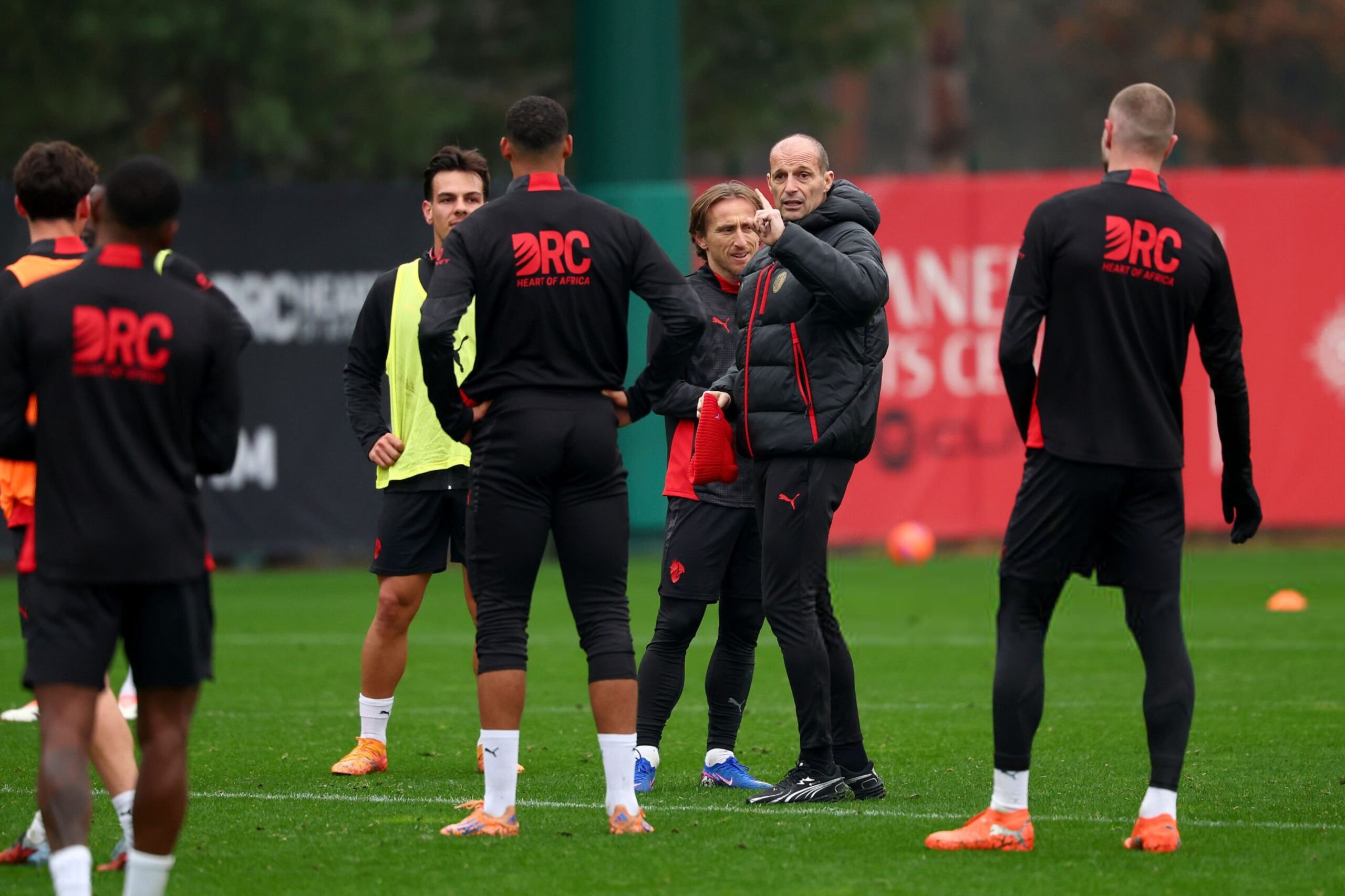

The AC Milan club is steeped in history but in modern football, history alone does not win titles. The Rossoneri, who celebrated their favourite team's 127th birthday on December 16, 2025, have recently embarked on a significant tactical evolution especially thanks to the arrival of head coach Massimiliano Allegri who replaced Sergio Conceicao last summer.
As the season progresses, fans and analysts alike are witnessing a team that is learning to adapt. The rigid systems of previous years, under Conceicao, Fonseca, and in the final years of the Pioli era have ended and Allegri is installing a new approach and mentality within his team. This transition, while sometimes turbulent, promises to unlock the full potential of a squad brimming with individual talent and youthful energy.
Shifting Formations: From Defence to Attack:
For a long time, Italian football was synonymous with defensive solidity. While the Catenaccio era is long gone, the emphasis on structural organization remains. However, AC Milan’s coaching staff has realized that to compete with the elite in the UEFA Champions League, a more proactive style is required.
The modern Milan looks to dominate possession, not just retain it. The shift involves moving the defensive line higher up the pitch, compressing the space the opponent has to play in. This high line is risky, but the rewards are substantial. By winning the ball back in the opponent's half, the Rossoneri can launch immediate counter-attacks before the opposition defence has time to reset.
Key Tactical Adjustments:
- Inverted Full-backs: Instead of merely hugging the touchline, full-backs are now often asked to drift centrally. This creates an overload in the midfield, which gives the Rossoneri a numerical advantage and allowing creative midfielders more freedom to roam.
- Pressing Triggers: The team has developed specific "triggers" for pressing. It is no longer about running endlessly; it is about coordinated pressure when the ball goes to a specific zone or a weaker ball-playing defender. With Modric and Rabiot's experience in midfield, things can be easier in this sense.
- Fluid Front Three: The attackers are interchanging positions more frequently. This lack of static positioning makes them a nightmare for man-marking defences, as centre-backs are dragged out of position, leaving gaps for runners from the midfield.
The Rise of the Youth Project:
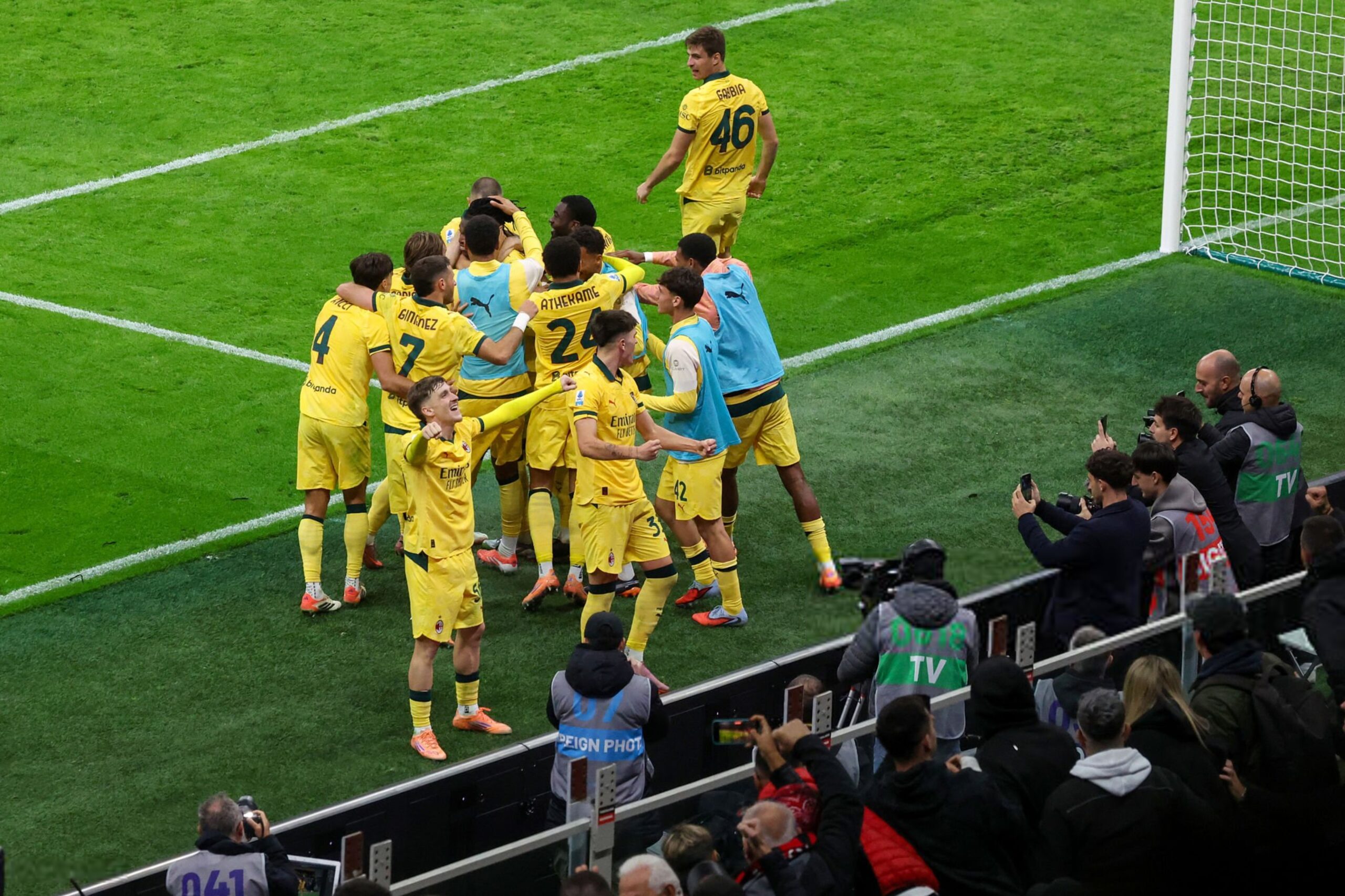
A crucial pillar of this new era is the reliance on youth. It is true that Milan signed veterans like Modric and Rabiot last summer, but there is trust in young players such as Davide Bartesaghi who recently scored a historic brace from left wing-back position against Sassuolo. The club’s management has pivoted towards a sustainable model: scouting elite young talent and developing them into world-class stars. The Primavera and Milan Futuro teams are no longer just a separate entity but a genuine pipeline for the first team.
Integrating young players requires patience. They bring enthusiasm and unpredictability, but they also lack the game management skills of seasoned professionals. Yet, the fans at San Siro have shown a willingness to support this process. There is a unique excitement in watching a teenager make their debut and grow into the shirt.
Identifying the X-Factor:
Scouting is an imperfect science. Data analytics provides a foundation, but the "eye test" remains irreplaceable. Scouts are looking for that intangible quality, the ability to remain calm under immense pressure. In the high-stakes environment of Serie A, relying on a young player to turn a game around can feel like searching for an Aviator Lucky Star in a clouded sky; it is a rare find that combines skill, timing, and a touch of fortune. When a club finds such a player, it can change the trajectory of their entire season.
Key Players Redefining the Squad:
While the system is paramount, individual brilliance is the fuel that makes it run. Several key figures have stepped up to embody this new tactical identity.
- The Modern Winger: Milan’s play on the flanks has become electrifying. The wingers (Saelemaekers and Bartesaghi in Allegri's usual starting lineup) are no longer just crossers of the ball; they are inside forwards, goal scorers, and primary creators. Their ability to beat a man one-on-one forces opponents to double up, creating space elsewhere.
- The Box-to-Box Engine: The midfield engine room has seen a resurgence of the "all-action" midfielder. These players break up play defensively but also have the stamina to arrive late in the opposition box to finish moves. This is where Rabiot is crucial and it must also be noted that Allegri has placed trust in Ruben Loftus-Cheek and Youssouf Fofana as well.
- The Ball-Playing Goalkeeper: The evolution starts at the very back. The goalkeeper, Mike Maignan, is now effectively an eleventh outfield player during the build-up phase, comfortable with the ball at his feet and capable of bypassing the first line of pressure with precise passing.
Future Challenges in Serie A and Europe:
Despite the optimism, the road ahead is paved with challenges. The domestic league remains incredibly tactical, with opposing coaches quick to figure out and nullify new systems. AC Milan must ensure they have a "Plan B" when their primary strategy is neutralized.
Furthermore, depth is a concern. While the starting eleven can compete with anyone, the drop-off in quality when rotation is necessary can be significant. To sustain a challenge on multiple fronts, Serie A, the Coppa Italia, and European competitions, the squad depth must be addressed in upcoming transfer windows.
- Consistency: The team often fluctuates between brilliant performances and inexplicable drops in intensity. Finding a consistent baseline performance is key to winning league titles.
- Injury Management: High-intensity football takes a toll on the body. The medical and fitness departments must work closely with the coaching staff to prevent muscle injuries that have plagued previous campaigns.
- Defensive Transition: With a high line, the team is vulnerable to balls played over the top. The centre-backs need to have the recovery pace to deal with fast counter-attacks.
Conclusion:
AC Milan is in a fascinating period of transition. The tactical evolution currently underway is bold and necessary. By embracing a modern, proactive style of play and trusting in the potential of their youth academy, the Rossoneri are building a foundation for sustained success.
There will be bumps along the road, and not every experiment will yield immediate results. However, the direction of travel is clear. If the management holds its nerve and the players continue to adapt, the future at San Siro looks bright. The sleeping giant is not just waking up; it is learning new tricks, ready to reclaim its place at the summit of world Football.