
Pre match football analysis has taken a quantum leap forward, moving way beyond just the league position and recent results of a team to really get under the skin of what to expect. And leagues as cut throat as Serie A are the perfect example of where expectations get turned upside down days before the match, often without any obvious warning signs in mainstream coverage.
One of the first things that often gives the game away is movement in the odds. When bookmakers start to fiddle with the prices you can bet on, it usually means that something is changing in the way people are thinking about the match. Either a key player is out of commission, the tactics are going to be changed or the market just doesn't think the team in question is as convincing as they did a few days ago. And while bookies don't predict the results of the game, their odds can give you a pretty good idea of where the perception of the game is headed.
Platforms like oddsrun make it a lot easier to keep an eye on these changes by pulling together odds from loads of different bookies in real time. Rather than just looking at the odds a few hours before kick off, a broader view lets analysts and fans see how expectations are changing over the course of the week.
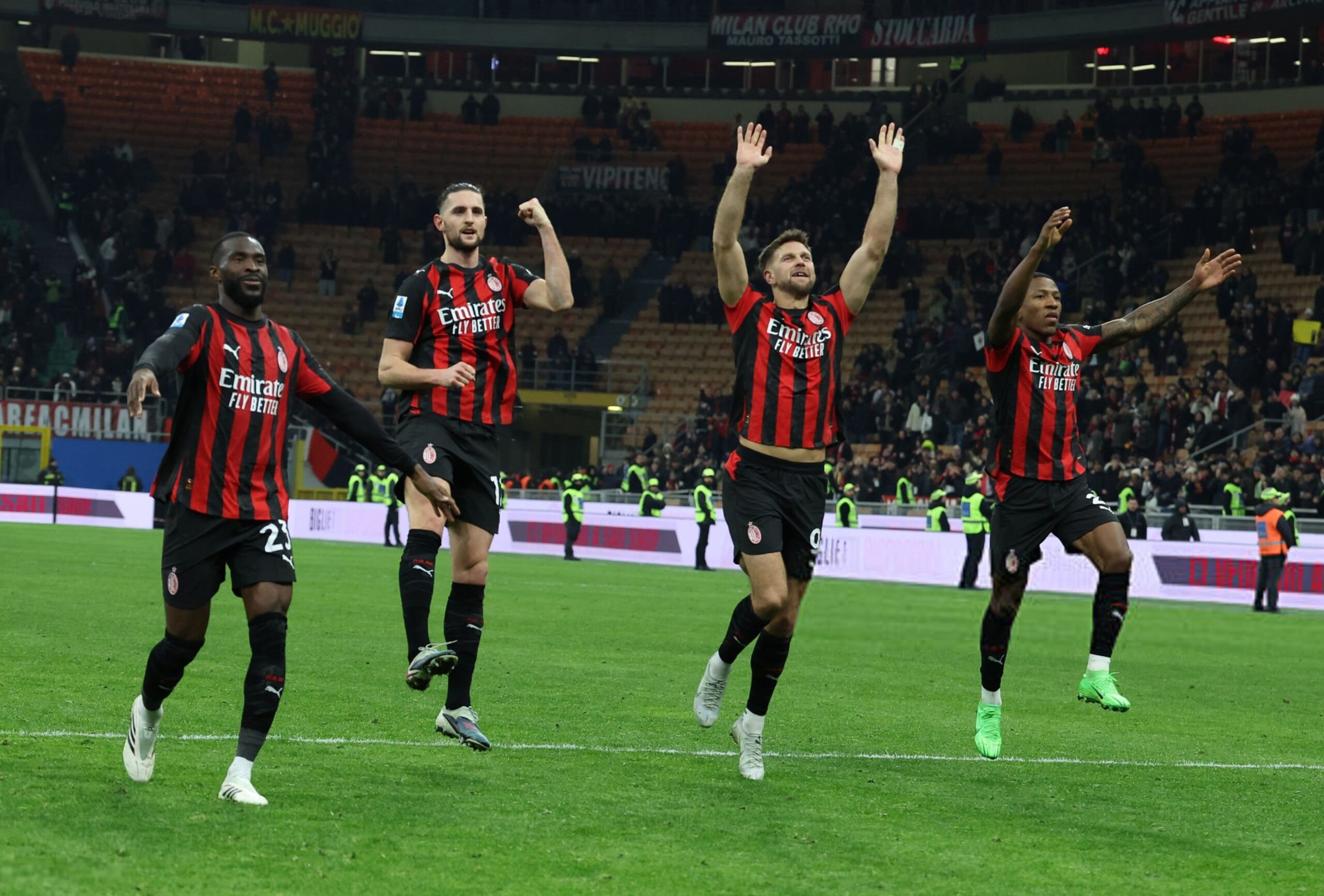
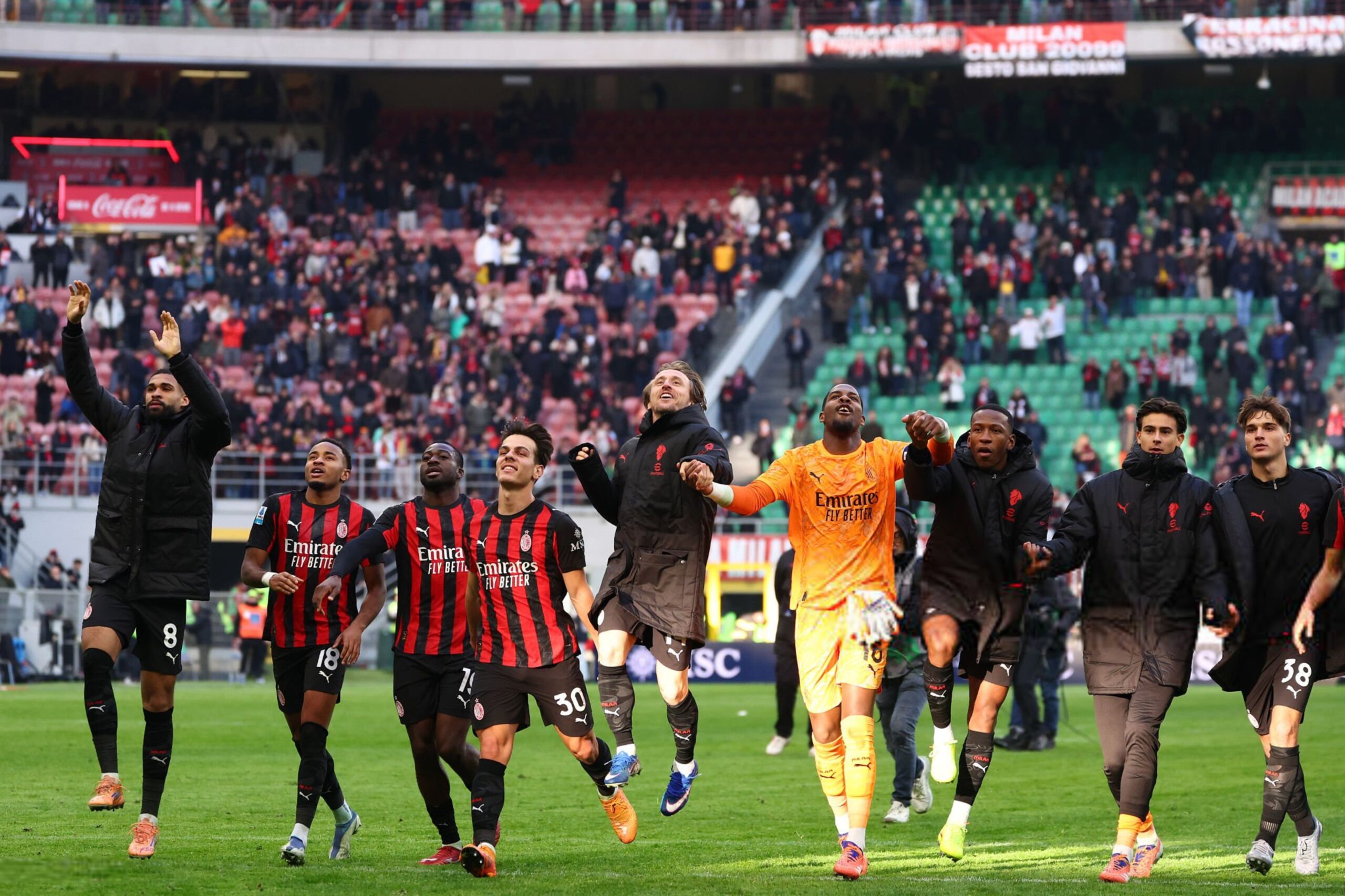
Clubs that are always in the spotlight, like AC Milan, get very special treatment in this regard. Because they're forever juggling domestic matches, European commitments and rotation decisions, the market starts to react early on. And before they've even confirmed their team or come out with an official statement, you can bet the market has already started to move.
Early warning signs versus late reactions:
Not all changes in the odds mean the same thing. Late changes, especially just before kick-off, tend to be about the general public betting reacting to the confirmed line-ups. Much earlier movement, however, is a lot more useful.
As the season goes on with Serie A, these early adjustments tend to follow a fairly predictable pattern. Away matches after a European fixture, or after a congested schedule, or at a notoriously tricky stadium - these all tend to produce a bit of a market reaction. Keeping track of this over time helps explain why certain matches feel like they're going to be different even when the stats look the same.
Watching the Serie A Betting Odds across multiple rounds helps you get a feel for it all. Rather than looking at each match in isolation, you're in a better position to understand how the markets typically react to different scenarios in Italian football.
High Profile Teams Help Generate Cleaner Signals:
Teams in the spotlight really bring clarity to market signals. You've got the heavy hitters like Allegri's AC Milan who get extra attention, and as a result, odds get shaped by a whole bunch of factors. That makes it way easier to pick up on movement and figure out what's going on.
For instance, small price swings before a match against a mid-table team might just indicate they're mixing things up with some rotation, rather than being uncertain about their overall quality. Conversely, stable odds before a big showdown can be a pretty good sign that they're sticking with what they know works and don't plan on making big changes to their lineup.
The Bigger Picture Includes Odds:
You can't just look at odds movements on their own - that doesn't tell you why people are changing their minds. But when you tie it all together with some tactical analysis, updates on injuries, and the context of the fixture, then it really starts to become useful.
When you use it right, odds data can be a real addition to traditional football analysis and it helps make sense of how the media is building up the narrative around a particular Serie A match even before the whistle blows.