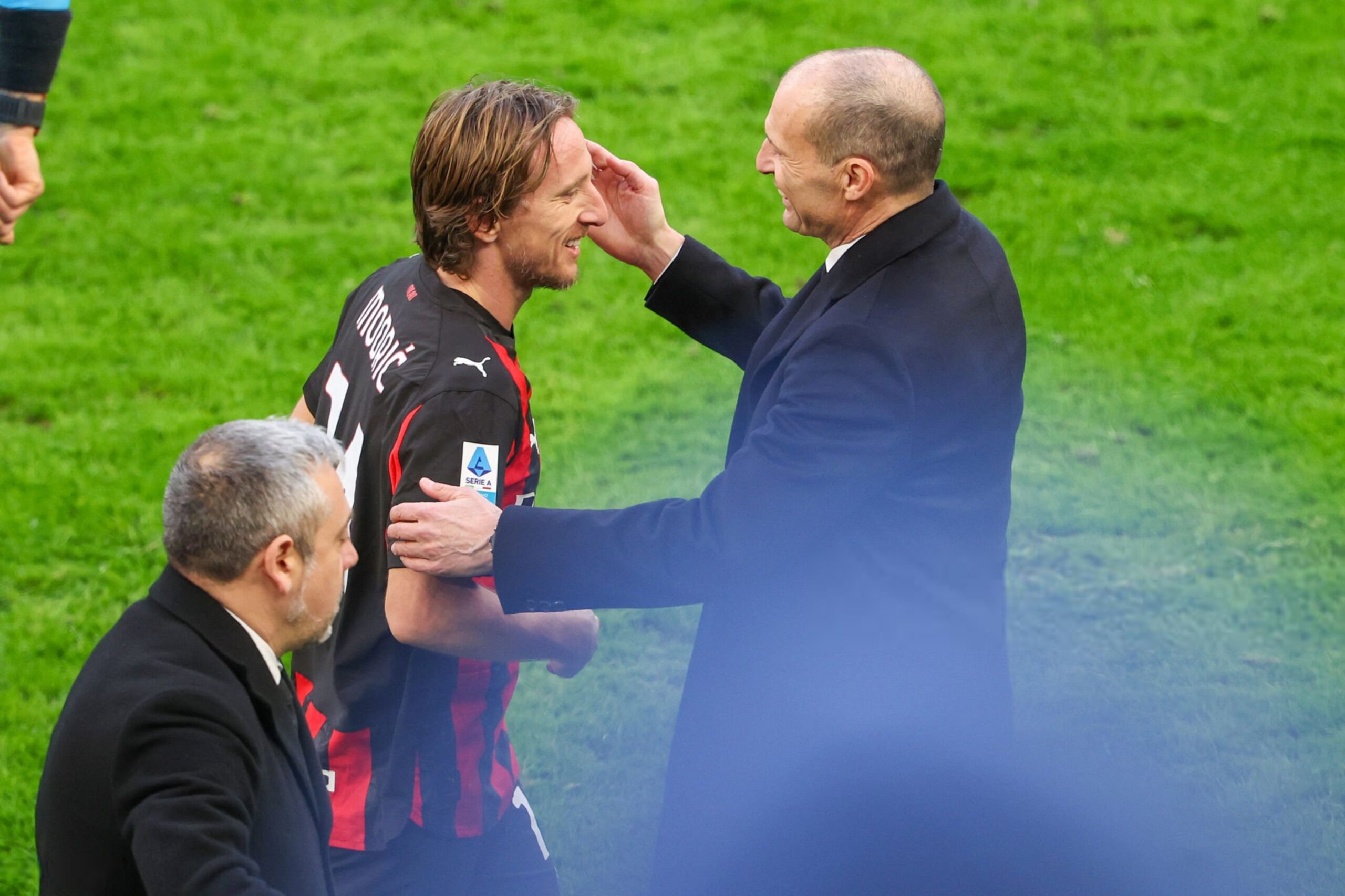

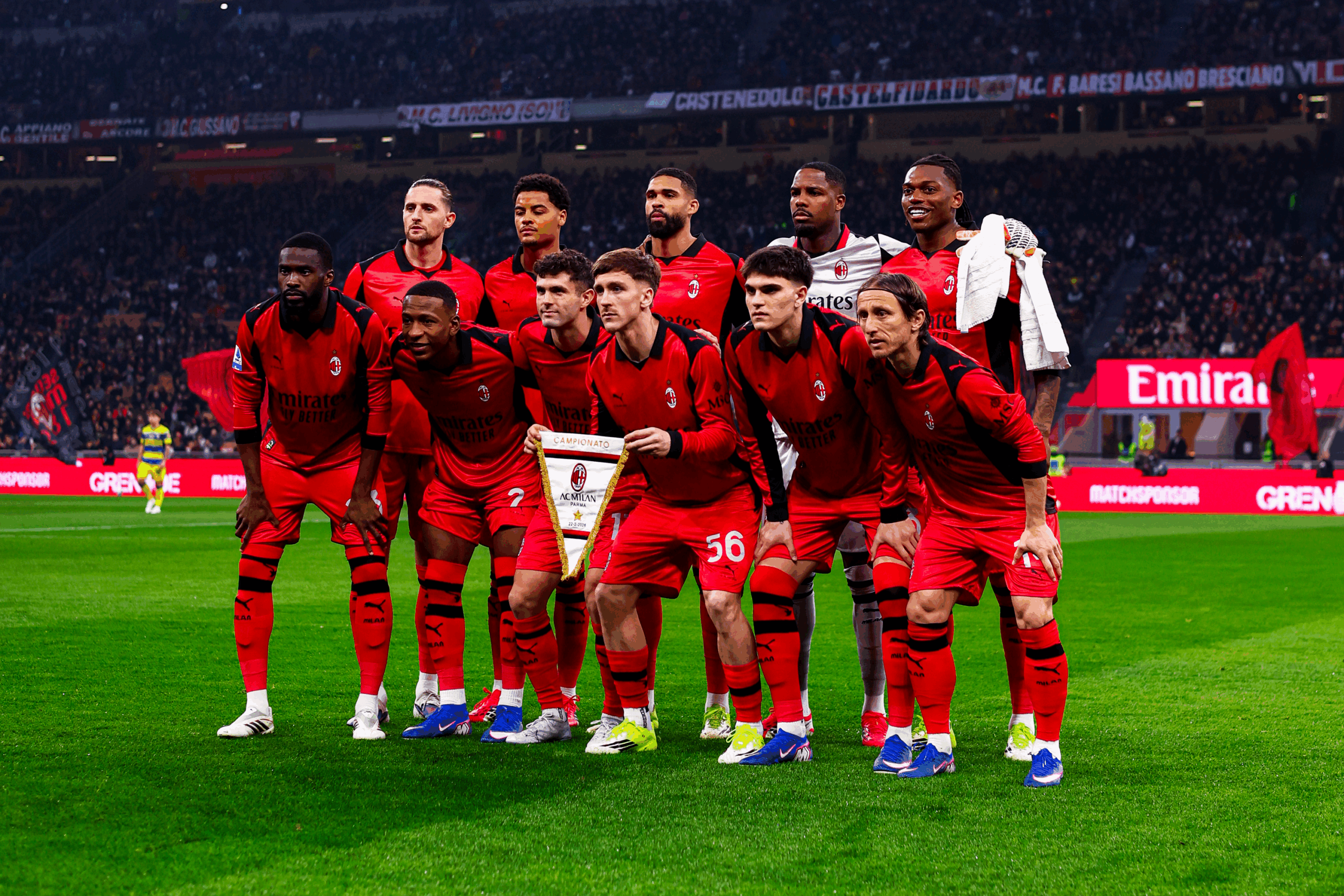
Setting aside the usual refereeing controversies, which are neither the first nor certainly the last this season under the current protocol, the bitter defeat at San Siro exposed several of Milan’s weaknesses. Como had already begun to bring them to light on Wednesday, and they had been visible at various points throughout the campaign.
First, though, a few clarifications are necessary, both to define the tone of this analysis and to connect it with the second part of the article. Last year’s Milan, a side without direction or structure, finished eighth. Over the summer it lost key players and underwent a major overhaul of both squad and staff. So being second in the table at the end of February, painful as it is to trail the leaders by such a wide margin, was far from guaranteed. In fact, it exceeded expectations. To repair the damage of recent months, only a handful of coaches were considered suitable, and Massimiliano Allegri was certainly one of them. It would be madness to question him even if, as now seems likely, the Scudetto does not arrive. Of course, that assumes qualification for the Champions League is secured.
That said, yesterday’s poor performance has deeper roots. At San Siro against Parma, as also happened against Cremonese and Pisa, the mantra of “first and foremost, do not concede” feels strange for a club called Milan, especially given the attacking firepower available. In the first part of the season Allegri rightly hammered home the idea that in Italy the team that concedes the fewest goals usually wins. The numbers fully support that view. Yet there are different ways to keep a clean sheet. Initially, a cautious approach was entirely justified. Results and performances in previous years showed the team lacked any real sense of danger and had no idea how to implement an effective defensive phase. In that respect, undeniable progress has been made. Is it enough? Clearly not.
The other side of the coin is the risk of becoming stuck in a prudence that at times borders on excess. Against Parma in Milan it was disheartening to watch a one paced team, unable to increase the speed of the ball or of its combinations, without any sustained attacking pressure. One may debate the formation, with Pulisic and Leão in a 3-5-2 weakened against deep, compact opponents, or the reluctance to field the much discussed three man attack. Yet the issue lies primarily in tempo and technical sharpness. Last night only the 40 year old Modrić, and to a lesser extent Jashari, managed to raise the level in terms of physicality, pace and quality of play.
The team’s build up was predictable and easy to read, lacking flair. Players showed little courage in attempting through balls or overlapping runs. After all, how do you break down the reinforced door of a side lining up in a 3-5-2 with a very deep pivot? Either by stretching the play wide, exploiting runs into the half spaces and then delivering the decisive cut back cross, or by threading passes centrally with intelligent movement between the lines, pulling defenders out of position, much like Bodø Glimt did with their first goal against Inter last week.
After the match, Marco Landucci admitted that during the week he believed the team had worked properly on off the ball runs into the box, yet in the game this element was completely absent. In the first half crosses found no target due to the lack of presence in the opposition area, aside from Pulisic’s chance set up by Rabiot. In the second half, with Füllkrug introduced, the team insisted on seeking knock downs along the ground instead.
Deprived of Loftus Cheek, who was meant to be the key figure in this regard, best wishes for a swift recovery, Ruben, the team lost its reference points from the week’s preparations and resorted to a textbook circulation of the ball. Pavlović’s introduction in the second half was emblematic. The Serbian is one of the few capable of unsettling opposing defenses with his forward surges, both with and without the ball. But if a central defender has to come on to inject a bit more danger, something is clearly not right.
From now on Milan, out of the Coppa Italia and with no European competitions, will play once a week. There is time and opportunity to develop new solutions. No one expects Allegri to overhaul the team, yet fresh keys must be found to unlock matches like yesterday’s.
This brings us to a crucial turning point. It would be foolish, profoundly so, to throw away all the excellent work done so far. The disappointment over losing the Scudetto train, barring unforeseeable disasters on the Inter front, hurts precisely because until now there had been commitment, structure and positive results. A psychological backlash may occur, it might even be natural, but this is where Allegri and the new senior leaders must step up. There are countless reasons not to give up now, especially since the race for Champions League places can reopen in an instant. Three stand out. Watching Modrić, almost 41, play with such intensity, anger and clarity should ignite an unquenchable fire in every teammate. The fans’ love and support, constant and unwavering even after last season’s eighth place finish, have created a calm and favorable atmosphere this year. To give up now would mean denying all the work, effort and sacrifice the group has invested so far. That truly would be foolish. Giving up is not an option, writes Milan News.