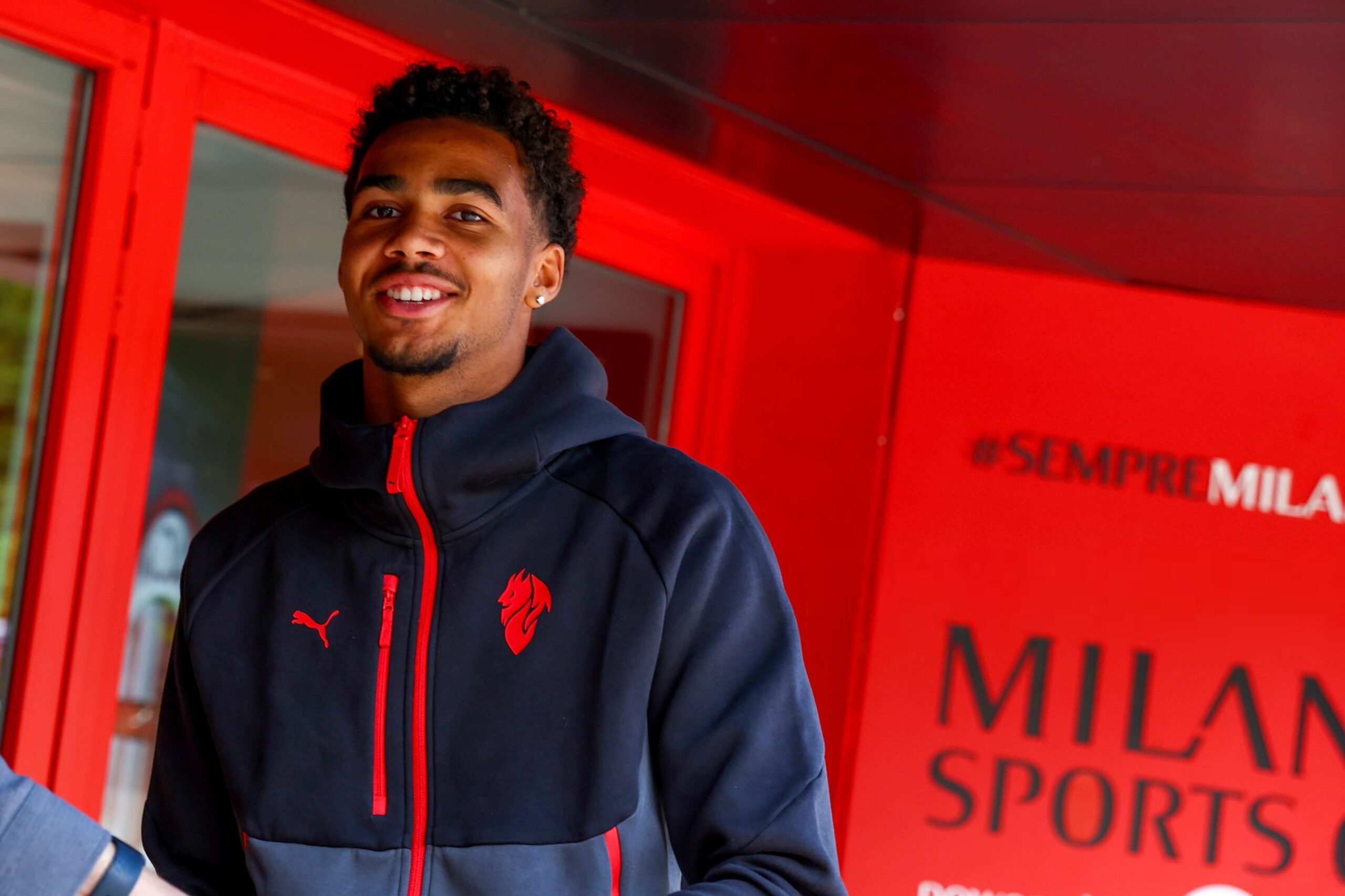

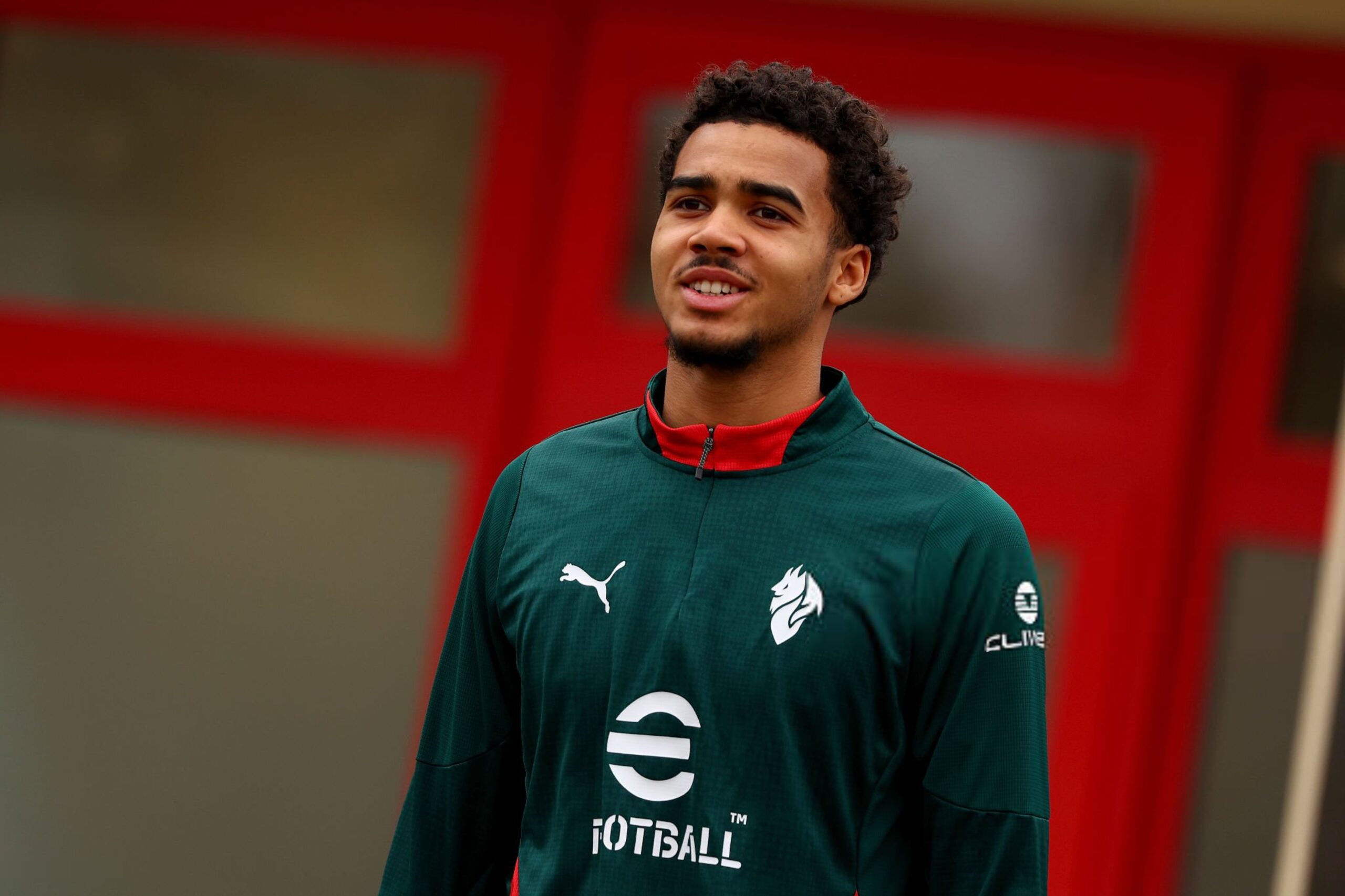
Sometimes the line between a growth opportunity and a wasted season is very thin. That’s why it’s hard to give a definitive assessment of David Odogu’s year. Of course, on the face of it, arriving at Milan at 19 is hardly the most difficult situation for a footballer, but any judgment has to take all the factors into account.
On one hand, there’s the aura of an international club fighting for the league title; there’s Ibra at Milanello; there’s the daily football education alongside Modric; and at headquarters a trophy room that looks like Scrooge McDuck’s vault. There’s also (certainly not least) a coach like Allegri, who throughout the week loves to explain football, especially from a defensive perspective. And David is a centre-back. In short, there’s everything to learn.
For those following broader football development trends, a Premier League analysis shows a recurring pattern: young defenders at top clubs often face minimal minutes in their first season, learning more from training than match play. Odogu’s situation at Milan mirrors similar cases in England, where a player’s initial year is less about statistics and more about absorbing tactical understanding and adapting to a high-pressure environment.
But speaking of English football, readers interested in Premier League discussion and match interpretation can explore GoalBible, a football community
As for Odogu’s current situation, however, there’s also that number that ends up defining the entire season: 16, the total minutes spent on the pitch in official matches.
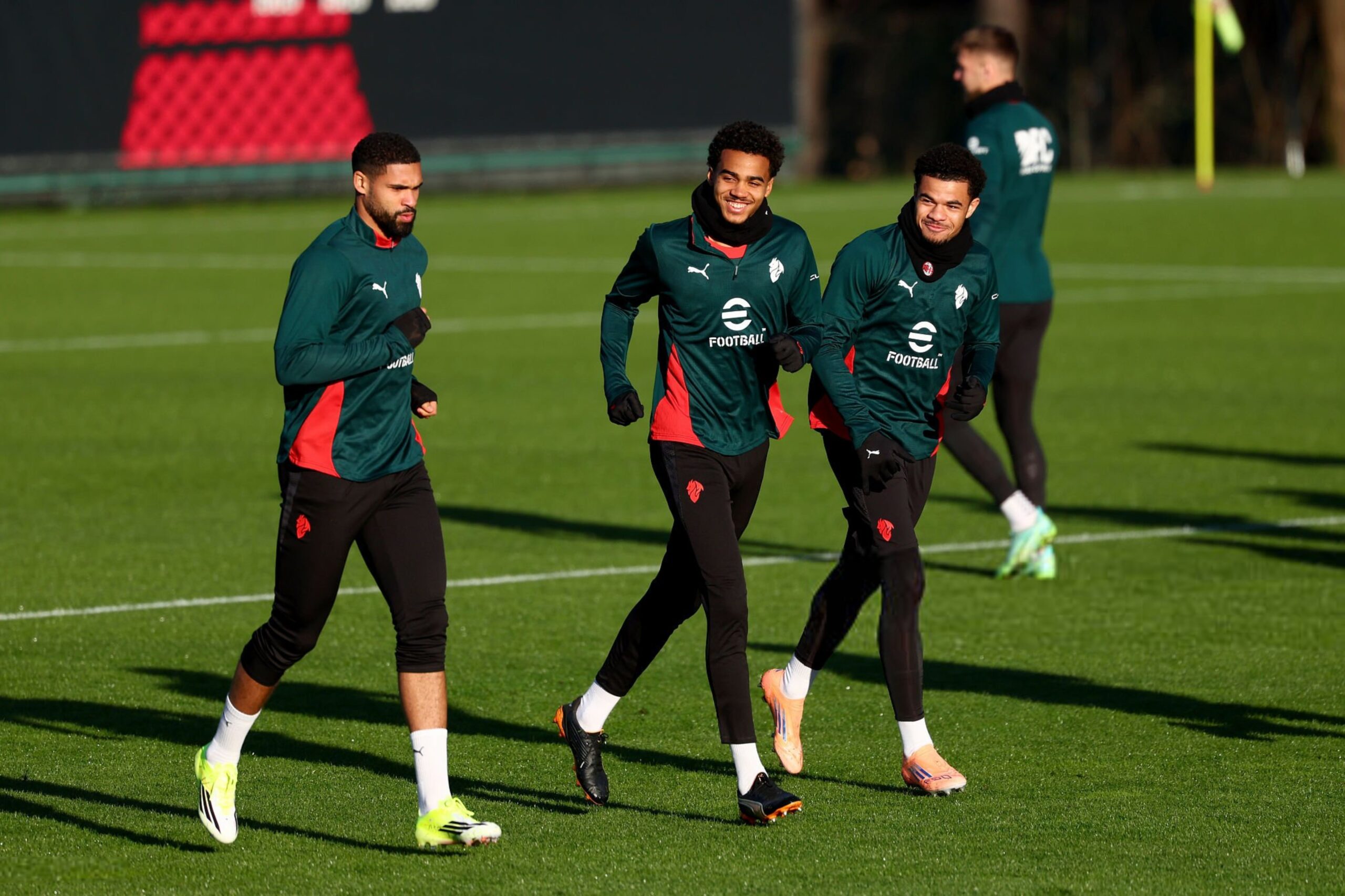
If we want to draw a conclusion: calling it a wasted season would be excessive, but it certainly could have gone better in terms of playing time. Odogu, trained in Germany between Union Berlin and Wolfsburg, is the last player in the Rossoneri squad in terms of minutes played and the lowest in the pecking order among the centre-backs. Ahead of him are Tomori, Gabbia and Pavlovic, and in recent times a rapidly improving De Winter has also been added to the mix. But that’s not all: when Pavlovic was unavailable and De Winter was not yet so reliable, Allegri even placed Bartesaghi on the left side of central defense. So, chances to break in: none. And this despite the squad being structurally short in numbers. Odogu has put together 12 minutes in the Coppa Italia against Lecce and 4 in the league against Verona. So much so that, to give him at least some match fitness, he was sent three times to Milan Futuro (all full 90-minutes game).
What are David Odogu's prospects?
Logic, and even a few transfer-market whispers, suggested a possible loan move in January to give him some continuity. A straightforward loan that would allow him to return to Milanello in June and then decide whether to keep him or send him out again. However, Milan's winter transfer window was inactive. The "reason", so to speak, was the development of De Winter and Bartesaghi’s adaptability, which in practice give Allegri two additional solutions beyond the three designated starters. The result? Without the arrival of a new centre-back, any talk of sending Odogu out on loan was also put on hold.
So he is set to remain at the club with rather unexciting prospects: Milan are heading into the decisive months in the race for a top-four finish, and at the back there will be a need for consistency and experience. Still, David isn’t the type to complain. Those who know him offer strong reassurance about his awareness that this first season in Rossoneri colors has been useful for understanding how a top-tier club works and, above all, for learning Italian football and the defensive approach required by Allegri. Once he completes this step, the rest will come naturally. Milan paid seven million for Odogu plus three in bonuses: his fate hardly seems to be that of a passing comet.
What did David Odogu say upon his arrival at AC Milan?
The young German defender is eager to learn and is looking forward to earning the trust of the fans and the head coach Massimiliano Allegri. Here’s what he said in a press conference:
"I'm honoured to be able to work with him, and I will be ready for whatever he asks of me. I know he is very talented at working with defenders. I don't mind whether we play three or four at the back, I'm just ready to learn from the coach and his staff. Expectations? They motivate me. In a big club, you know you have to deal with the pressure, and it excites me. I'll let my performances speak for me and I will work hard for this."