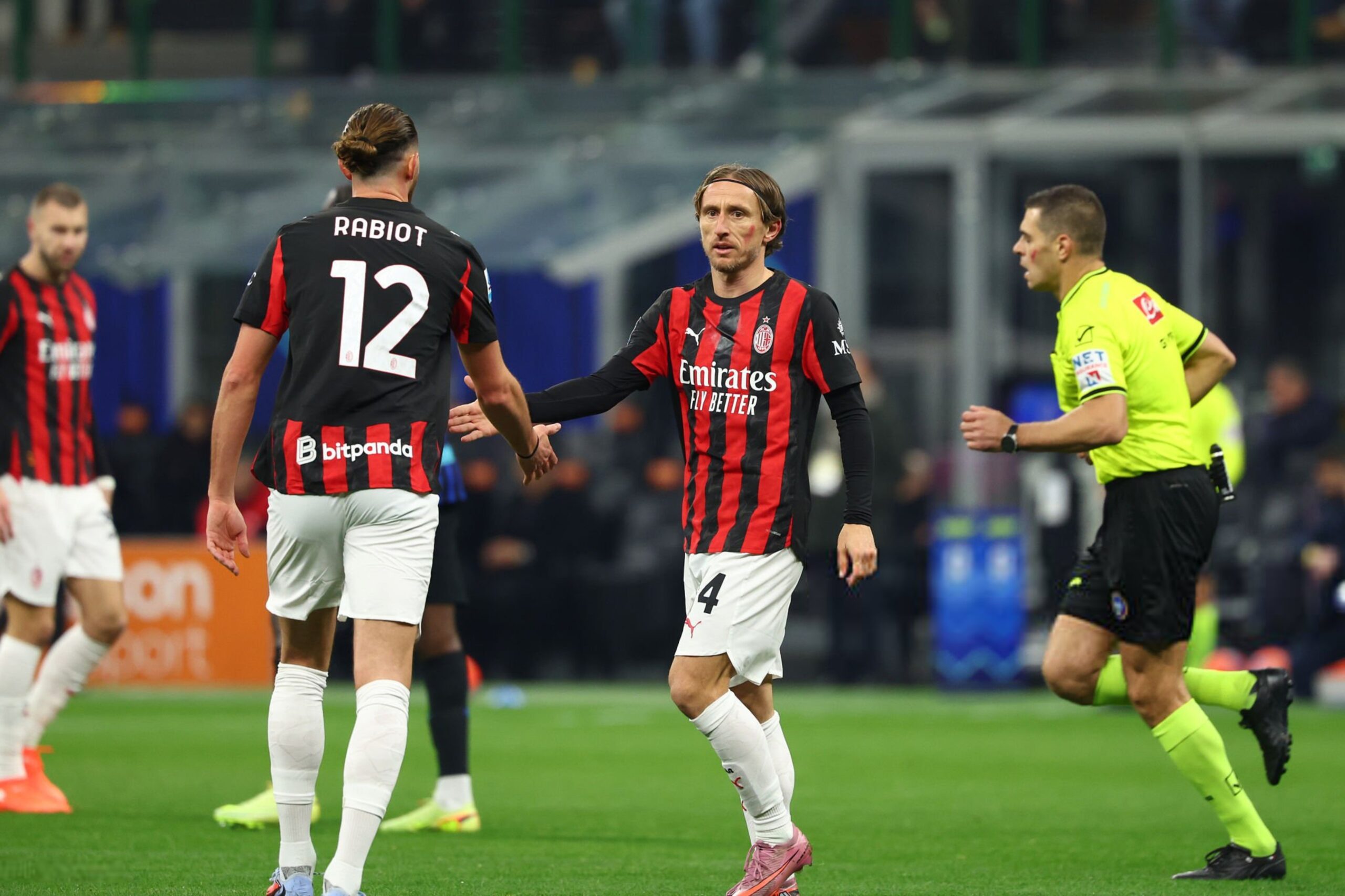

AC Milan’s greatest eras have always been defined by balance in the center of the pitch. While strikers finished moves and defenders protected leads, it was the midfield that controlled tempo, absorbed pressure, and dictated the identity of the team. From the tactical revolution of the late 1980s to the elegant orchestration of the 2000s, Milan’s legendary midfield units were never accidental creations, they were carefully assembled systems.
Much like strategic environments where precision and timing matter, whether on the pitch or on platforms such as Bison Casino, AC Milan’s midfield dominance was built on calculated decisions, defined roles, and unwavering discipline. Understanding how these units were formed reveals why the Rossoneri consistently outclassed rivals domestically and in Europe.
The foundations - Tactical vision before talent:
Before diving into individual players, it is important to recognize that Milan’s legendary midfield was always a product of system design. Coaches such as Arrigo Sacchi and Carlo Ancelotti did not simply collect stars, they engineered structures that maximized synergy.
In the late 1980s and early 1990s, Milan pioneered collective pressing and positional compactness. The midfield acted as the bridge between Sacchi’s high defensive line and lethal forwards. It was here that tactical intelligence began to define Milan’s identity.
Sacchi's compact revolution:
Arrigo Sacchi’s Milan operated with spatial discipline rarely seen at the time. His midfielders were required to move as a synchronized unit, maintaining short distances between defensive and attacking lines.
Players like Frank Rijkaard brought physical presence, while Carlo Ancelotti added intelligence and distribution. The secret lay in collective spacing. Rather than relying on individual dribbling, Milan compressed zones and forced opponents into predictable channels.
This approach transformed the midfield from a reactive department into an engine of control. Pressing triggers were rehearsed, transitions were choreographed, and risk was managed systematically.
The role of physical and tactical balance:
Sacchi’s system demanded relentless fitness and mental awareness. The midfield was neither purely defensive nor purely creative. Instead, it functioned as a flexible corridor, capable of shifting from containment to acceleration within seconds.
Balance became the defining principle. Each player complemented another’s strengths. The structure prevented overexposure and ensured coverage during attacking surges.
The Golden Era - Pirlo Gattuso and Seedorf:
While Sacchi laid the blueprint, the early 2000s saw Milan refine the midfield into an art form. Under Carlo Ancelotti, the trio of Andrea Pirlo, Gennaro Gattuso, and Clarence Seedorf formed one of football’s most iconic combinations.
Before examining their individual roles, it is essential to understand that their chemistry was rooted in contrast. Each brought a distinct profile, creating equilibrium.
Andrea Pirlo - The deep architect:
Pirlo redefined the regista role. Positioned deep, he controlled rhythm through precision passing rather than physical dominance.
His ability to slow matches or accelerate tempo gave Milan strategic flexibility. When facing high-pressure opponents, Pirlo’s composure acted as a stabilizing force. His long-range distribution bypassed pressing lines, instantly converting defense into attack.
Pirlo’s influence was subtle but transformative. He turned possession into control rather than mere circulation.
Gattuso and Seedorf - Energy and intelligence:
While Pirlo orchestrated, Gattuso provided intensity. His pressing disrupted opponents and shielded the backline. He covered space tirelessly, allowing Pirlo freedom to operate.
Seedorf, meanwhile, combined physical strength with technical elegance. He could carry the ball forward, shoot from distance, or maintain possession under pressure. His versatility connected phases of play seamlessly.
Together, this trio embodied Milan’s midfield philosophy: intelligence anchored by discipline and complemented by relentless work rate.
Structural evolution in the modern era:
Football has evolved dramatically in the past decade. Pressing systems are faster, transitions more vertical, and midfield roles increasingly hybrid. Milan adapted accordingly.
Before detailing modern figures, it is worth noting that contemporary midfield construction demands versatility. Players must defend, create, and transition fluidly.
Kessié and Tonali - The transitional core:
Franck Kessié brought physical resilience and penalty-box timing. His forward runs added unpredictability, while his defensive awareness reinforced stability.
Sandro Tonali, meanwhile, carried echoes of Pirlo’s positional intelligence. Though more mobile, Tonali displayed calm distribution and tactical maturity beyond his years.
The pairing illustrated Milan’s shift toward dynamic equilibrium, combining strength with composure in a faster tactical environment.
Pressing as identity under Pioli:
Under Stefano Pioli, Milan’s midfield embraced aggressive pressing triggers. Instead of deep orchestration alone, the focus expanded to immediate ball recovery.
The midfield became proactive rather than reactive. Vertical transitions replaced prolonged buildup, reflecting modern Serie A’s intensity.
Core principles behind AC Milan's midfield success:
Across eras, certain constants defined the Rossoneri's legendary central units:
- Role clarity within collective structure
- Balance between creativity and defensive coverage
- Adaptability to evolving tactical landscapes
These principles ensured continuity even as personnel changed.
The cultural impact of midfield excellence:
AC Milan’s legendary midfield did more than win matches. It shaped the club’s identity.
Supporters came to expect composure in possession and control in adversity. Opponents recognized that defeating Milan required breaking central stability first, a task few achieved consistently.
The midfield symbolized intellectual football. It represented patience over chaos and structure over impulse.
Why AC Milan's midfield legacy endures:
The making of Milan’s legendary midfield was never about assembling the most expensive names. It was about alignment, tactical vision meeting complementary skill sets.
From Sacchi's compact revolution to Ancelotti’s balanced diamond and Pioli’s pressing intensity, Milan consistently treated the midfield as the strategic heart of the team.
Football trends will continue to evolve. Systems will modernize, and player profiles will diversify. Yet the core lesson from Milan's midfield history remains timeless: dominance begins at the center.
That is the enduring secret behind Milan's legendary midfield, a story not merely of individuals, but of carefully engineered harmony that continues to influence the Rossoneri's philosophy today.