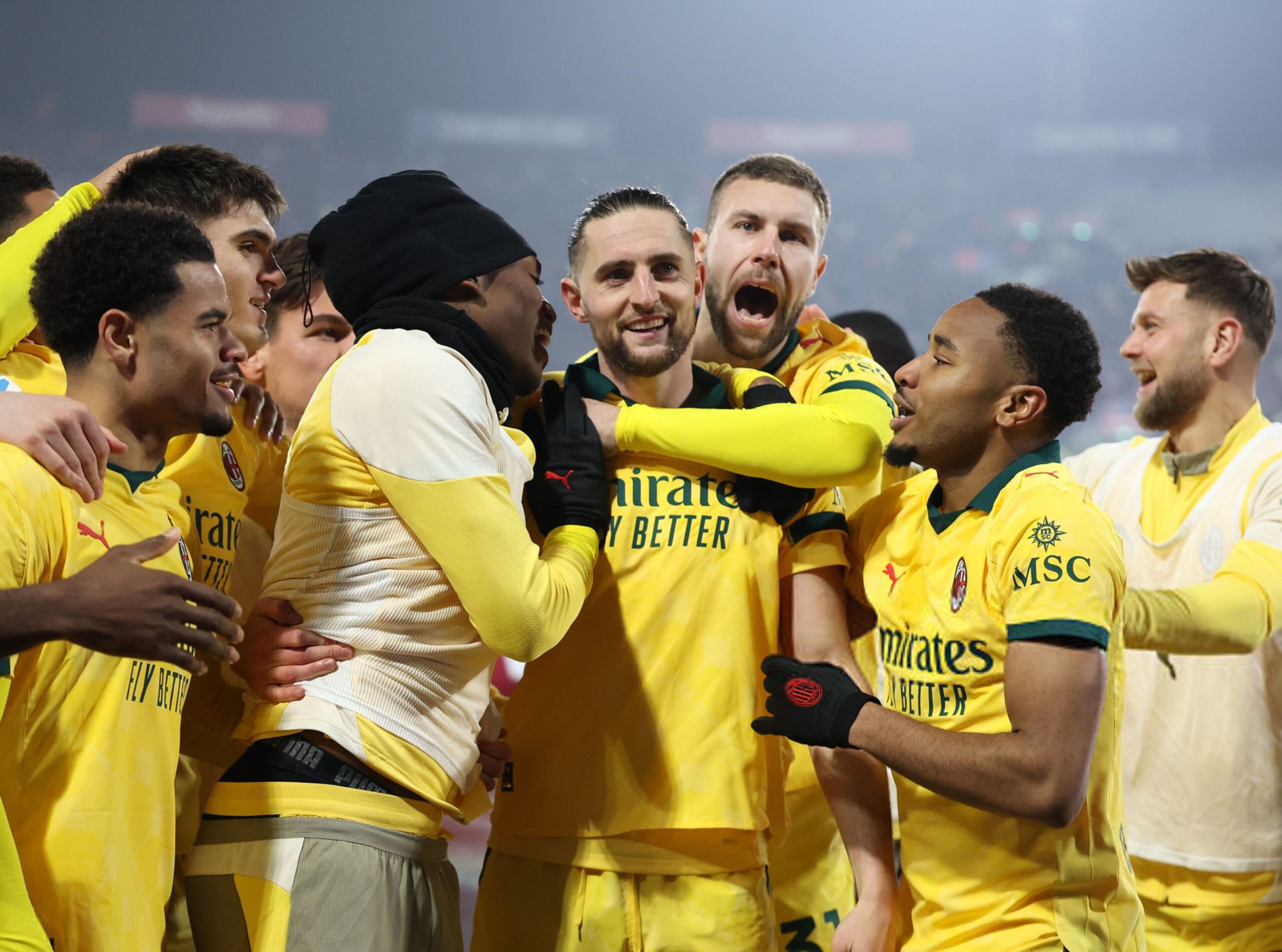

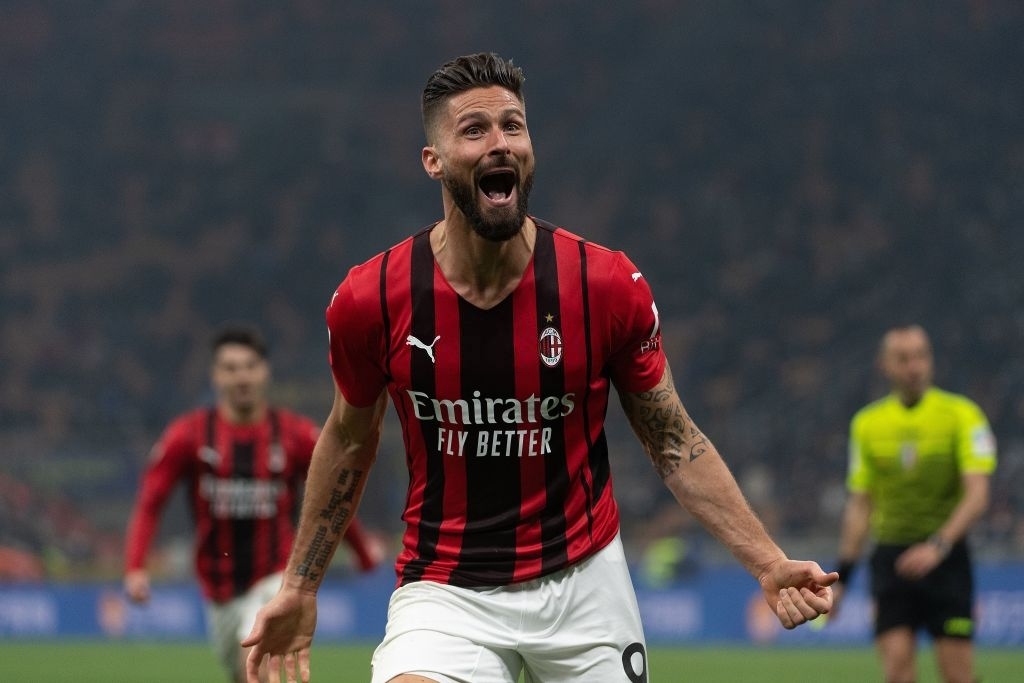
Few clubs in world football have built their identity around resilience quite like AC Milan. From European nights that redefined belief to domestic battles that reshaped seasons, Milan’s greatest comebacks are not just matches, they are chapters of a philosophy. The Rossoneri have repeatedly demonstrated that tactical intelligence, psychological endurance, and individual brilliance can overturn even the bleakest scorelines.
In today’s era of instant highlights and data-driven analysis, where fans dissect momentum swings with the same intensity they explore strategic entertainment platforms like Lemon Casino, Milan’s historic reversals still stand as masterclasses in timing, courage, and composure under pressure.
The European nights that forged the legend:
Milan’s reputation for dramatic turnarounds was largely shaped under the bright lights of continental competition. These were not routine victories; they were defining moments that elevated the club’s global stature.
Istanbul 2005 - The comeback that never was
The 2005 UEFA Champions League Final against Liverpool remains one of football’s most painful collapses, but it also reveals the fragile line between dominance and disaster. Milan led 3–0 at halftime, playing fluid, commanding football. Paolo Maldini scored early; Hernán Crespo added two more before the break.
What followed became football folklore: Liverpool equalized within six astonishing second-half minutes. Although Milan ultimately lost on penalties, the match planted a seed, a psychological scar that would later transform into motivation. For the veterans in that squad, especially Maldini and Kaká, the memory of Istanbul fueled an unspoken promise: redemption would come.
Athens 2007 - Redemption delivered:
Two years later, Milan met Liverpool again in the Champions League Final. This time, the story ended differently. Filippo Inzaghi scored twice, and Milan controlled the rhythm with calculated maturity.
Athens was more than a trophy win; it was a strategic response to failure. Carlo Ancelotti adjusted the midfield structure, compressing space and limiting Liverpool’s pressing channels. The lesson from Istanbul had been internalized. This comeback was psychological rather than score-based, a comeback from trauma.
The significance of Athens lies not in dramatic last-minute goals, but in resilience rebuilt over two seasons.
Domestic turnarounds that defined eras:
While European nights earned headlines, Milan’s domestic comebacks often shaped entire campaigns. These matches reinforced the club’s identity in Serie A and strengthened its long-term competitiveness.
Before diving into specific matches, it’s important to understand the tactical environment of Italian football. Serie A has historically emphasized defensive discipline and structural control. Overturning deficits in this context demands precision and patience.
Milan vs. Inter 2004 - Derby Della Madonnina Drama:
The Derby della Madonnina has produced countless emotional swings, but the 2004 clash stands out. Trailing against Inter, Milan shifted tempo late in the match. Andriy Shevchenko and Kaká exploited transitional spaces, forcing defensive breakdowns.
The comeback was less about chaos and more about calculated acceleration. Milan increased width, stretched Inter’s backline, and targeted fatigue in the final 20 minutes. The tactical awareness displayed that evening remains a reference point for derby strategy.
Milan vs. Siena 2011 - Title secured through presistence
In 2011, Milan needed composure under pressure to secure the Serie A title. Facing Siena, the Rossoneri endured a tense first half before Zlatan Ibrahimović converted a crucial penalty.
Although not a multi-goal reversal, the match represented a comeback in psychological terms. Milan had stumbled in previous weeks, and tension was mounting. The controlled performance against Siena demonstrated maturity, an ability to manage expectation and execute under championship pressure.
The tactical anatomy of a Milan comeback:
Behind every dramatic reversal lies structure. Milan’s historic recoveries were not products of random intensity; they were shaped by three recurring tactical principles:
- Midfield Control and Recalibration: From Pirlo’s orchestration to modern pressing adjustments, Milan frequently recalibrated possession patterns after falling behind.
- Late-Game Physical Conditioning: Superior fitness allowed Milan to increase tempo when opponents began to fade.
- Psychological Hierarchy: Veteran leadership, particularly figures like Maldini and Ibrahimović, stabilized younger players during critical phases.
The club’s greatest comebacks often followed a predictable internal pattern: absorb pressure, maintain structural integrity, then escalate risk in measured increments.
Modern Milan - Revival in progress:
The post-2010 era brought financial constraints and transitional instability. However, recent seasons have shown signs of renewed resilience. Under Stefano Pioli, Milan rediscovered its pressing intensity and vertical transitions.
Before exploring specific modern examples, it’s worth noting that contemporary football emphasizes speed and rapid tactical shifts. Comebacks today require faster decision-making and collective pressing triggers.
Milan vs. Juventus 2020 - A Five-Minute shockwave:
In July 2020, Milan trailed Juventus 2–0. Within five extraordinary minutes, the Rossoneri scored three goals to flip the match. The turning point was not a single moment but a surge of coordinated pressing.
Rafael Leão’s pace stretched Juventus’ defensive line, while Ante Rebić capitalized on transitional errors. The comeback reflected a new Milan identity, dynamic, fearless, and opportunistic.
Milan vs. Hellas Verona 2021 - From desperation to dominance:
Facing a two-goal deficit against Hellas Verona, Milan responded with intensity. Olivier Giroud’s equalizer and a late winner demonstrated patience under adversity.
This match illustrated how the modern squad blends experience and youthful energy. Tactical flexibility, switching between a 4-2-3-1 and a more aggressive attacking shape allowed Milan to regain control progressively.
Why Milan's comebacks matter beyond the scoreline:
Comebacks are more than entertainment. For AC Milan, they represent institutional memory, lessons carried across generations. Each reversal strengthens a psychological narrative: setbacks are temporary; structure prevails over chaos. Whether in Istanbul’s heartbreak, Athens’ redemption, derby tension, or modern Serie A surges, Milan’s identity has been forged through resilience.
Football evolves. Tactical systems modernize. Player profiles change. Yet one constant remains: Milan’s capacity to respond when momentum shifts against them.
That is the untold story behind AC Milan's greatest comebacks: they are not only damatic scorelines, but rather a culture of adaptation, discipline and belief that still defines the Rossoneri legacy.