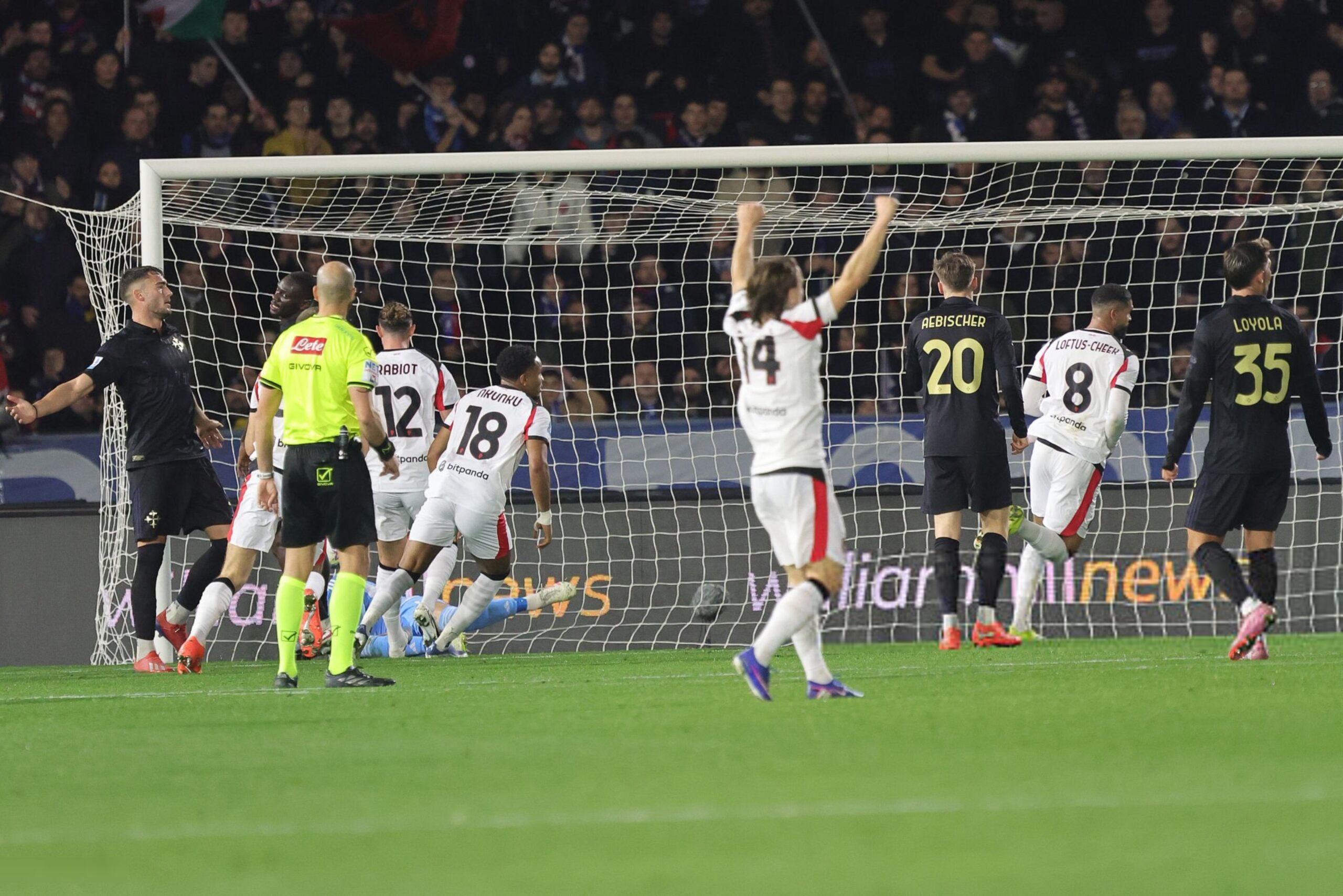

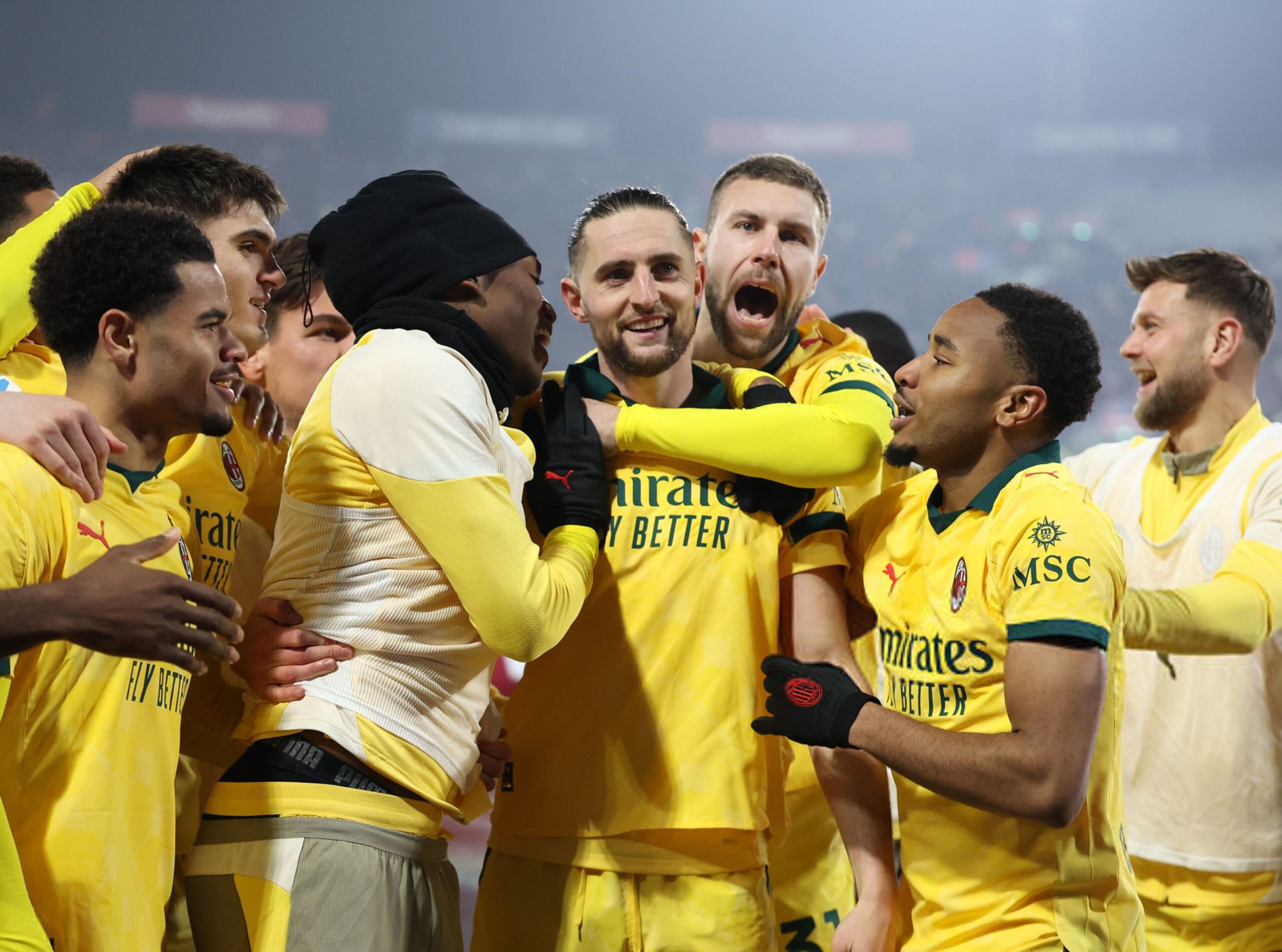
AC Milan’s league position says “title challenger”, but the season itself has felt more complicated than that. They have spent long stretches looking controlled rather than spectacular, and that control has carried them to second place after 26 matches. The problem is the gap above them. Inter have built daylight at the top, and Milan’s job between now and May is to turn steady accumulation into something sharper, faster, and a little more brutal. There has been a consistent theme to their better nights: the match feels organised from the first minute. The back line holds its distances, the midfield protects the middle, and the team rarely loses its shape even when the tempo rises. When Milan are at their best this season, opponents are not beaten by chaos, they are beaten by repetition. The same patterns keep arriving, the same pressure keeps returning, and eventually a mistake appears. When they are not at their best, the game still looks neat, but it also looks like it is waiting for something to happen. That is where points have slipped away.
The numbers underline why they are still in the conversation. Milan have 54 points from 26 games, with only two defeats so far and a defensive record that keeps most matches within reach. They have scored 41 and conceded 20, which is the profile of a side that rarely collapses even when the performance is not clean. According to BetGoodwin casino, Milan are 12 to 1 to win Serie A right now, a price that reflects both their position near the top and the reality that chasing down a leader is harder than simply staying in front.
Those odds also hint at the shape of the remaining season. Milan do not need perfection, but they do need clarity. The title gap demands a run where one goal leads become two, and good halves become complete performances. It also demands that they stop treating some match states as acceptable. If a game is tight at 70 minutes, Milan have to decide whether they are protecting second place or hunting first. The next few weeks will reveal which version of the season they are living.
Those odds also hint at the shape of the remaining season. Milan do not need perfection, but they do need clarity. The title gap demands a run where one goal leads become two, and good halves become complete performances. It also demands that they stop treating some match states as acceptable. If a game is tight at 70 minutes, Milan have to decide whether they are protecting second place or hunting first. The next few weeks will reveal which version of the season they are living.
Allegri's Milan
Massimiliano Allegri has leaned into structure. Milan defend in a way that makes opponents feel they need to be perfect to score, and they tend to keep games on a tight emotional leash. When they take the lead, they are good at turning the match into a sequence of smaller battles: restarts, second balls, safe passes, fouls in the right zones. That approach is not always pretty, but it is repeatable.
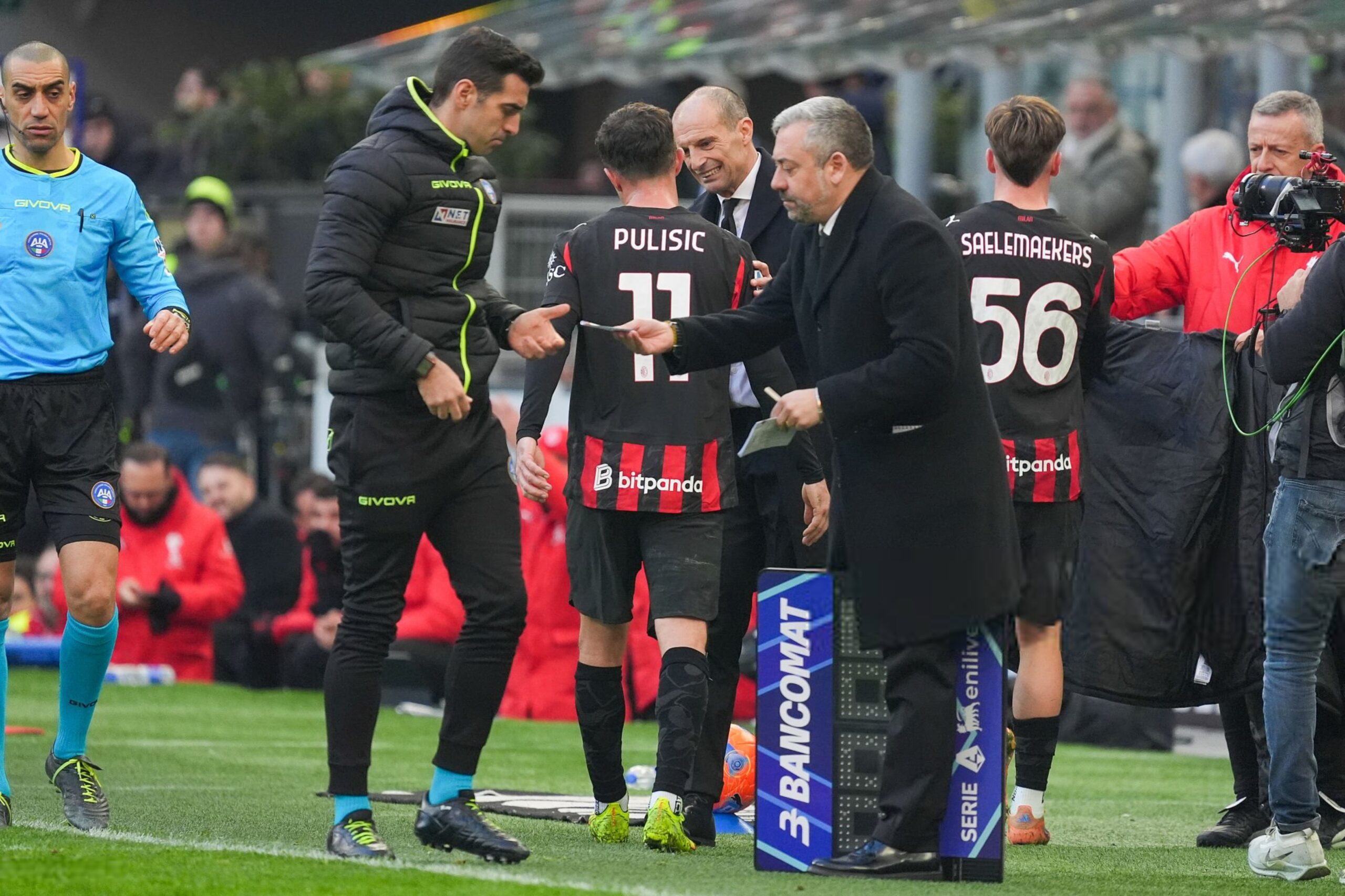
There is a specific comfort to how they manage tempo. Milan are happy to slow the game down, to circulate possession across the back, to wait for the right trigger rather than forcing an opening. In isolation, that is sensible. Over a long season, it prevents the kind of emotional swings that can derail a side. The trade off is that this style can leave them with fewer moments of improvisation, fewer chaotic phases where a match turns in a sudden blur. Allegri’s control gives Milan a strong floor, but it can sometimes lower the ceiling of a single game.
Where the season has wobbled is in the minutes that demand initiative. Against deep blocks, Milan can become predictable, especially when the tempo drops and the play funnels into the same channels. The best Milan sides have always had a touch of arrogance in the final third, a belief that one more run, one more pass, one more combination will open the door. This season, they have sometimes chosen the safer option and then paid for it with draws that feel like missed opportunities.
Those draws have not always come from poor effort. Often the performance has been controlled and mature, with Milan limiting chances and staying compact. The frustration is that control becomes a kind of half measure when the opponent arrives only to survive. A match can feel like it belongs to Milan, without the scoreboard agreeing. That is where the fine details matter: the speed of the switch, the timing of the third man run, the willingness to attack the near post, the courage to shoot early rather than waiting for the perfect angle. If those small choices go Milan’s way more often, the title conversation changes quickly.
The attack - Enough talent, not always enough ruthless edge:
AC Milan’s forward line, with mainly Leao and Pulisic leading it, has delivered moments rather than constant flow. Rafael Leao remains the obvious stress test for defences: he stretches the pitch, forces full backs to retreat, and creates a kind of panic that opens space for others. Christian Pulisic has been important too, not only for goals but for timing. He arrives into pockets when defenders are focused on the winger and the striker, and he has been one of the team’s most reliable finishers.
Even so, there is a sense that Milan have not consistently turned pressure into volume. They can dominate a half without landing the decisive second goal, and that invites danger. In Serie A, one set piece, one counter, one deflection can undo an hour of control. Milan’s low loss total suggests they respond well to adversity, but the draw count tells its own story: too many matches have stayed open for too long.
The defence - The base that keeps them in every fight:
Conceding 20 in 26 matches is not an accident. Milan’s defensive work has been collective, with clear distances between the lines and a willingness to protect the central corridor even if it means allowing harmless possession outside. They have also limited the kind of chaotic transitions that ruin title challenges. When Milan lose the ball, they are often in a shape that lets them delay the counter rather than sprinting backwards in panic.
That stability has also helped in big matches. Milan can set up to frustrate, then pick moments to press, then break quickly when the opponent is stretched. It is a sensible way to compete across a long season, and it is the main reason they have remained second even when the attack has not always clicked.
The Serie A table context:
Being second in February is useful, but it is not a trophy. The league leaders have a ten point cushion, and that changes the psychology of every weekend. AC Milan cannot simply match results; they need a run that forces pressure upwards. That usually means stacking wins, especially against the mid table sides where title races are quietly decided. It also means turning a few of those draws into victories, because that is where the points are hiding in plain sight.
The calendar can help or hurt here. Milan’s season will be defined by how they handle the weeks where fatigue builds and the margins tighten. If they keep conceding at this rate, they give themselves a chance every single matchday. If they can add a little more cruelty in the final third, the gap can shrink quickly. If they cannot, second place starts to look less like a platform and more like a ceiling.
What success looks like from here:
There are two separate targets. The first is pragmatic: protect Champions League qualification and keep distance from the pack behind. The second is ambitious: make the title race uncomfortable. For Milan, discomfort is not created with statements or soundbites. It is created by winning the games that tempt you into management mode: the away trip where a point feels fine, the home match where 1 0 feels safe, the late lead where you drop five yards and invite pressure.
Milan already have the hardest part of a top two season: they are difficult to beat, difficult to play through, and rarely messy. The next part is the one that decides titles. Turning good control into relentless winning, week after week, until the team above you starts to feel your breath.