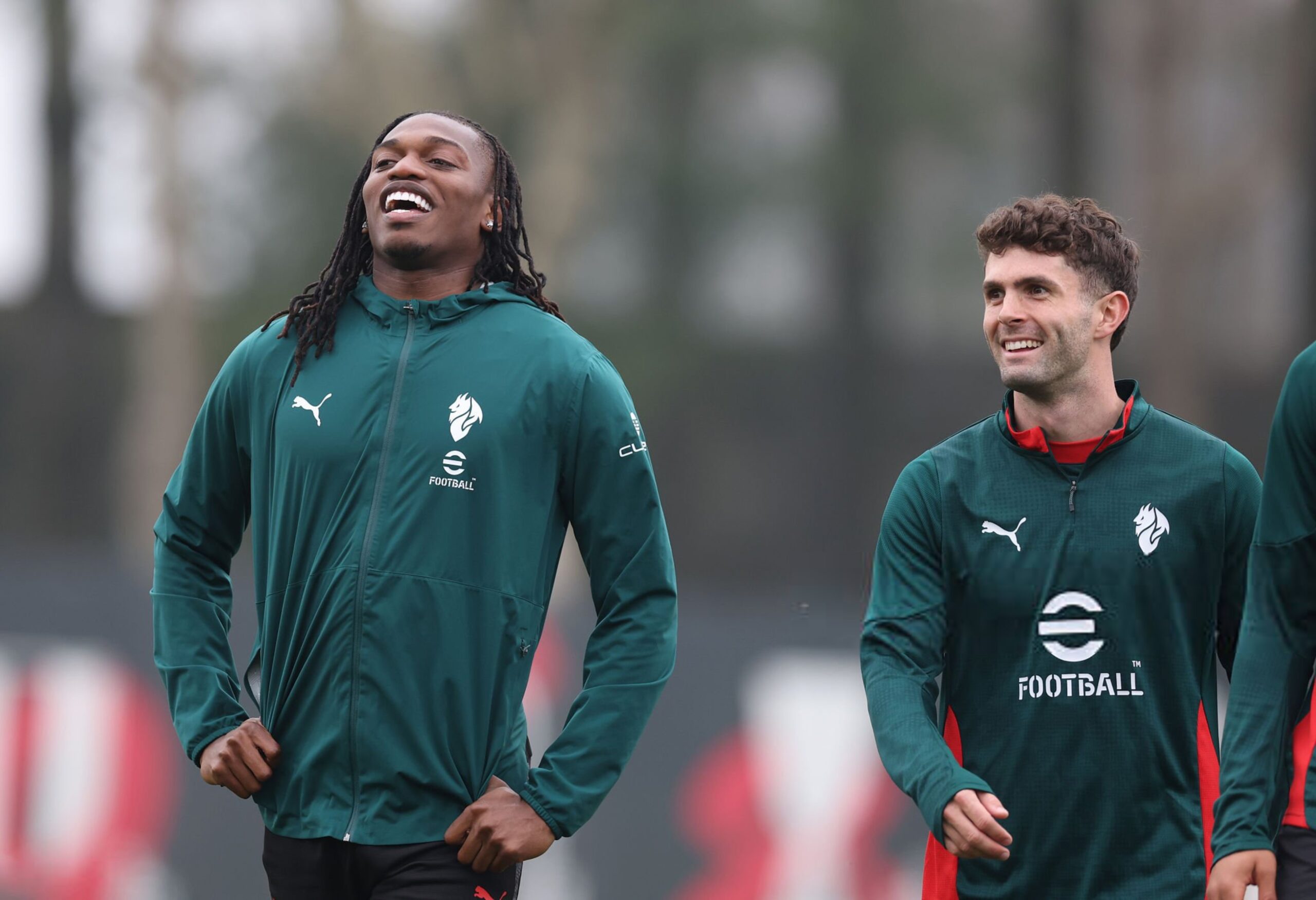

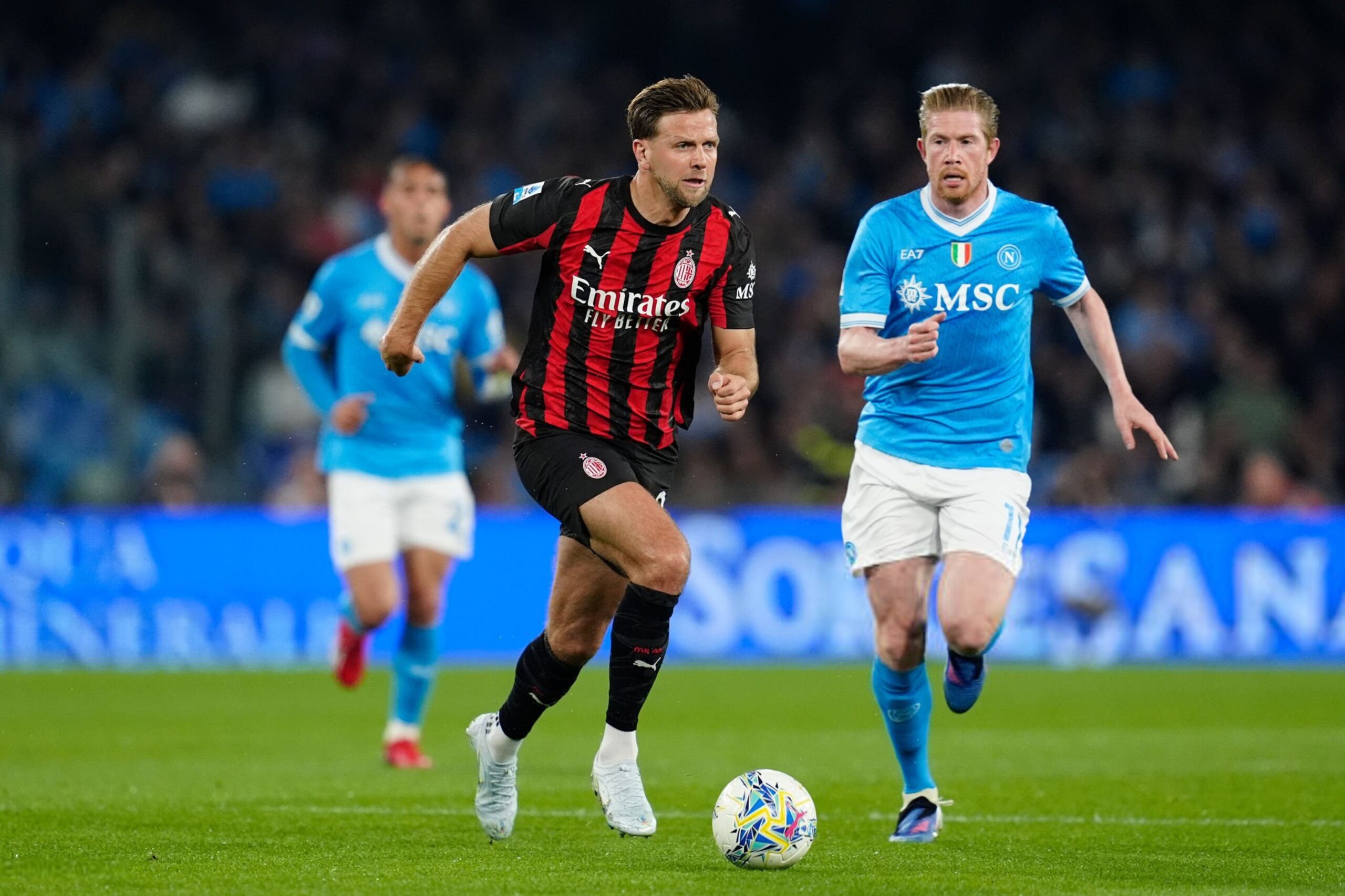
If there is one department that best reflects Milan’s struggles right now, it is the attack. The numbers are unforgiving: Pulisic has not scored in the league for over 100 days, Gimenez for as many as 333, Fullkrug has gone around 80 days, Nkunku 63, and Leão 37. Even more concerning is the overall figure: in 2026, the Rossoneri forwards have produced just 8 goals in total, shared between Leão (4), Nkunku (3), and Fullkrug (1), while Pulisic and Gimenez are still yet to score. This is no longer just an individual dip in form, but a real puzzle affecting the entire attacking unit.
When rhythm, confidence, and consistency are missing
Each case has a different explanation. Gimenez is still dealing with the after-effects of his ankle injury, and he himself admitted in recent weeks that his performances have declined partly for physical reasons. Pulisic, on the other hand, seems to be going through a more mental than athletic slump: he started brilliantly, then faded just when Milan needed a reliable reference point. Fullkrug and Nkunku, meanwhile, have lacked consistency, while Leão remains the only one with at least somewhat respectable numbers, though not enough to carry the whole attack on his own.
The problem is not just who finishes, but how Milan create
The real issue, however, is structural. Milan’s striker is struggling because he receives too little service, often poor quality, and almost never in ideal conditions. Allegri has sought and found balance this season, but the price has been a less fluid attack, less supplied (or perhaps less daring?) and more isolated. It is inevitable that this leads to a severe goal drought like the one currently affecting the Rossoneri attack, and it risks having a significant impact on the final stretch of Massimiliano Allegri’s season.
Source: Milan News