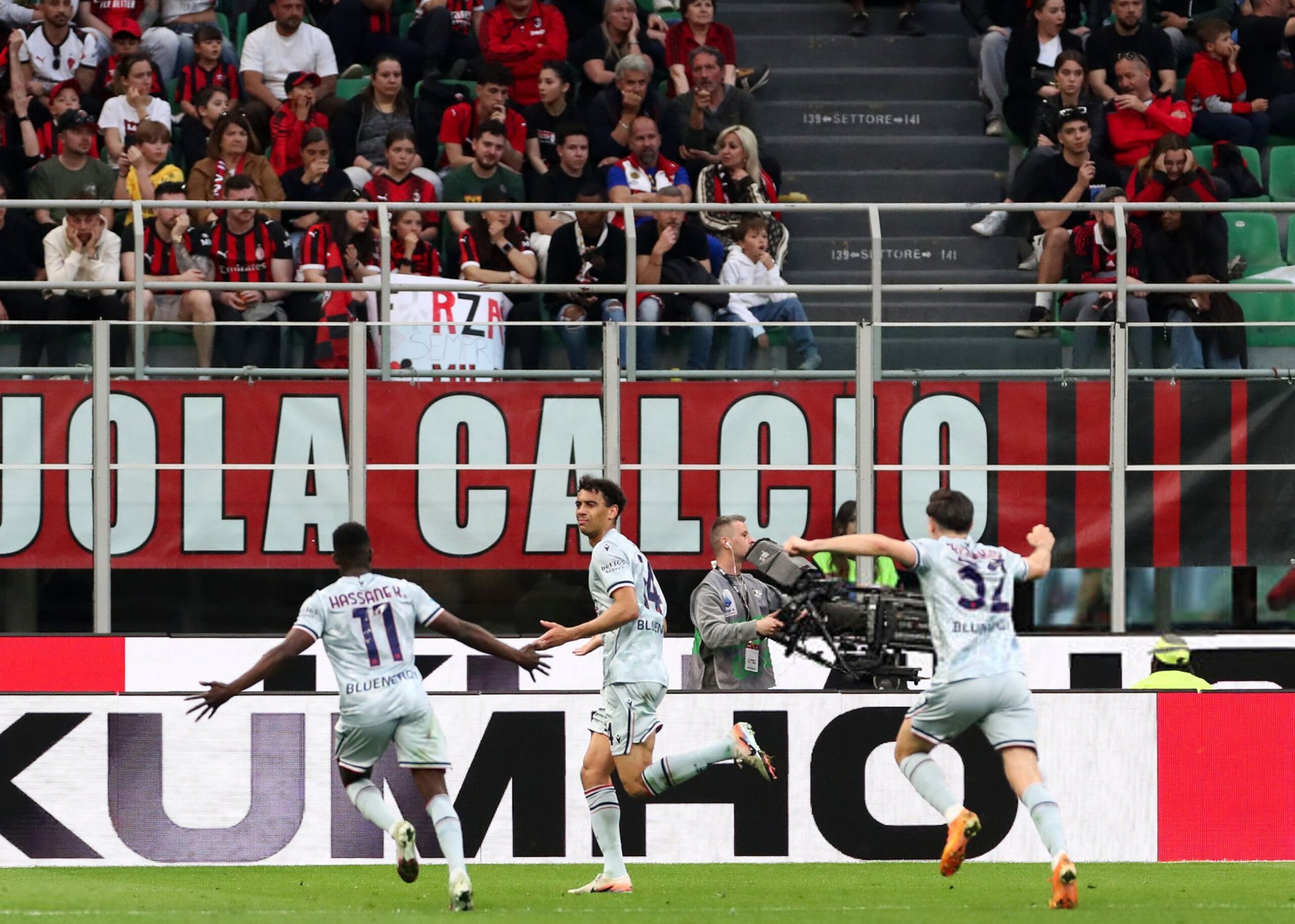

After the match against Napoli, many voices called for a switch to a 4-3-3 formation, believing that by abandoning the 3-5-2 that AC Milan had been using since their first pre-season friendly in July, all the problems of their toothless attack would be solved at once. Yesterday’s match at San Siro, lost 0–3 to Udinese, showed that it is not so simple: the Rossoneri emerged from this experiment badly beaten and facing a major failure.
Things are not working
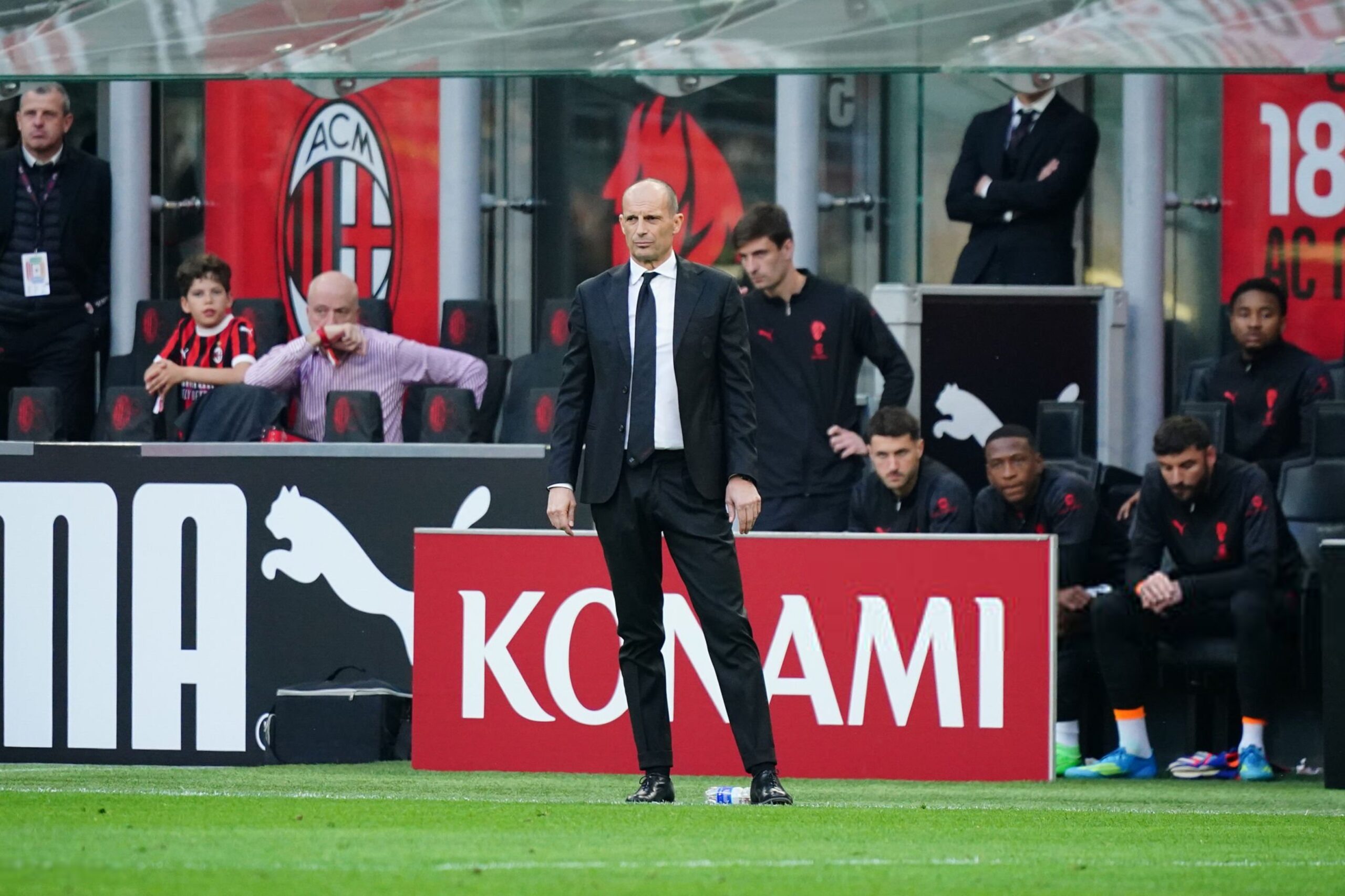
In the end, Massimiliano Allegri decided to switch to a 4-3-3, although the version deployed against Udinese was, in truth, rather timid: Alexis Saelemaekers was used on the right wing, a more conservative player, and up front there was not a true centre-forward but Rafael Leão. From the coach’s initial selections, it was clear that something was not quite right: why not field a natural striker and allow Leão to start in his preferred position? However, what the change in formation highlighted most clearly were the team’s defensive technical limitations: all four defenders struggled badly. Koni De Winter had his worst match of the year, even worse than in the Super Cup; Strahinja Pavlović was overwhelmed by Keinan Davis; Davide Bartesaghi lost his bearings tactically, playing a negative role in the first two goals conceded; Alexis Saelemaekers was essentially ineffective. In midfield, at the age of 40, Luka Modrić did what he could, but had far more ground to cover and repeatedly found himself in difficulty.
There was a reason
It therefore seems reasonable to think that if Allegri, all season long, from the very first friendly, had chosen to sacrifice flair and attractive football in favour of a 3-5-2 that could restore defensive balance to a Milan side that had been consistently unstable in recent seasons, there was a valid reason behind it. The performance against Napoli had not been outstanding, that is true, but in the end Milan lost due to a single incident and without suffering as they did yesterday; the same can be said of the match against Lazio. This does not mean that adjustments were unnecessary, because while it is important to limit chances conceded, the team also needs to score; rather, it suggests that completely overturning your tactical plan at the most crucial stage of the season, after following the same approach for months, may not have been the best decision. In this case, the responsibility lies entirely with Allegri, who gave in to that temptation. Now, all his experience will be needed to prevent what has so far been a positive season from turning into a failure.
Source: Milan News.