

Plenty of AC Milan supporters outside Italy arrive at Serie A having grown up on Premier League football, and the two competitions are less alike than a league table makes them look. The rhythm is different, the tactical priorities are different, and several of the rules governing squads and finances work in ways that catch newcomers out entirely.
A quick practical note for international readers, because the same gap applies off the pitch. Coverage, broadcast rights and betting markets are all structured differently country to country, and options range from domestic bookmakers to popular usdt casino sites with instant tether transactions. Whatever you use, check it's properly licensed for wherever you happen to be watching from.
The Tactical Culture Is Genuinely Different
Italian football's defensive tradition is real, though it's routinely caricatured. It isn't about parking a bus, it's about positional discipline and controlling space between the lines. Managers here are expected to have a clear structural plan and to change it mid-match. Tactical substitutions get analysed in Italy with a seriousness that English coverage reserves for transfer rumours.
The Calendar Includes a Winter Break
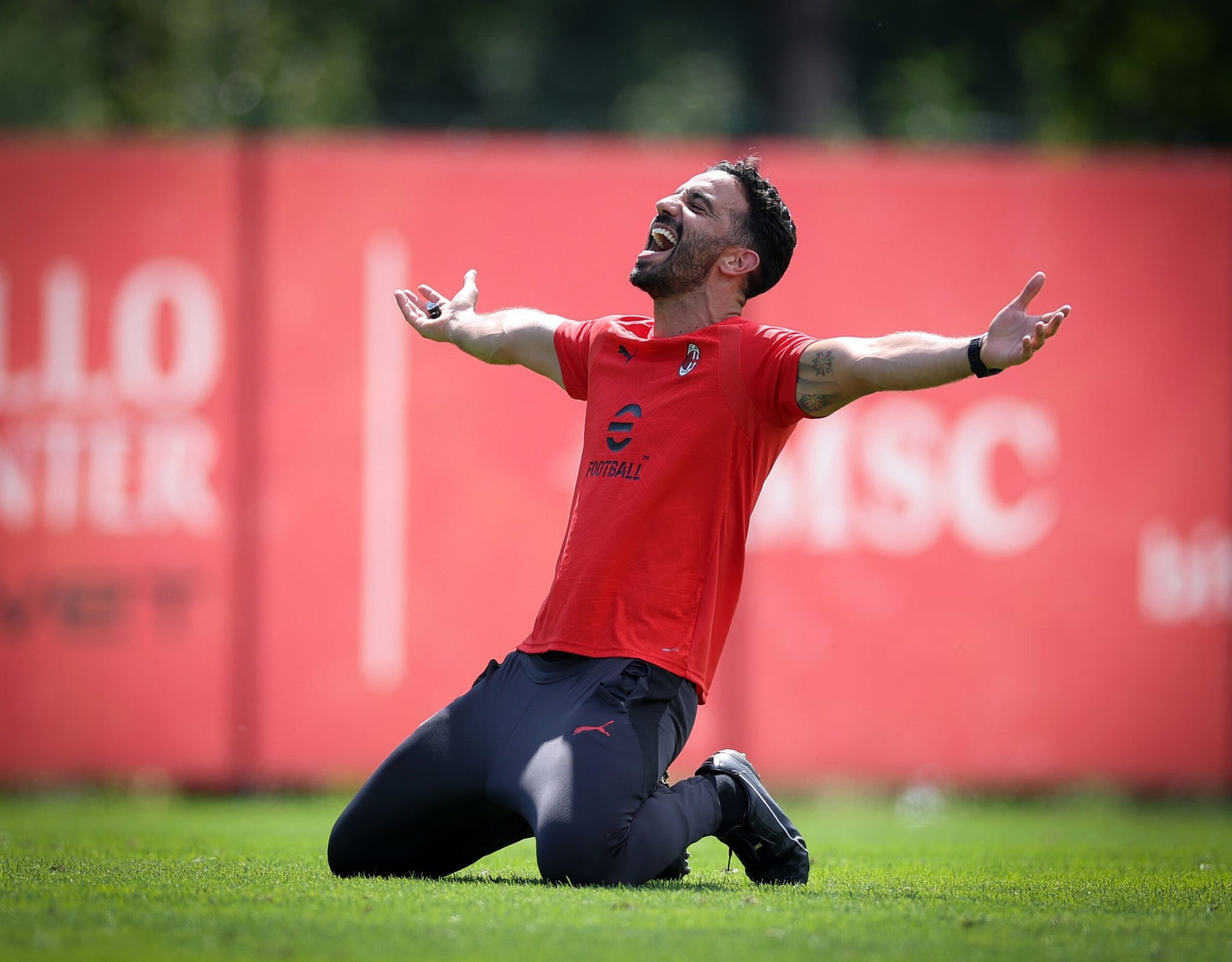
Serie A pauses over the turn of the year, typically for a couple of weeks around Christmas and New Year. Anyone used to the Premier League's relentless festive schedule finds this strange at first. It matters competitively, because Italian squads arrive at the business end of the season with meaningfully less accumulated fatigue than English ones.
Squad Rules and the Youth Requirement
Serie A operates a 25-man squad list with requirements around club-trained and Italian-trained players, which is why you'll see Milan promote academy players into the senior list even when they're unlikely to start. It shapes recruitment in ways that aren't obvious from outside, and it's a real constraint on signing an entirely foreign squad.
The Financial Framework Is Not the Same
Italian clubs operate under FIGC financial indicators alongside UEFA's rules, rather than the Premier League's profit and sustainability system. The practical effect is that Serie A sides, like Gerry Cardinale's AC Milan, trade players more actively, use co-ownership-style structures and amortisation more aggressively, and treat player sales as a routine part of balancing the books rather than an emergency measure.
Matchday Culture and the Curva
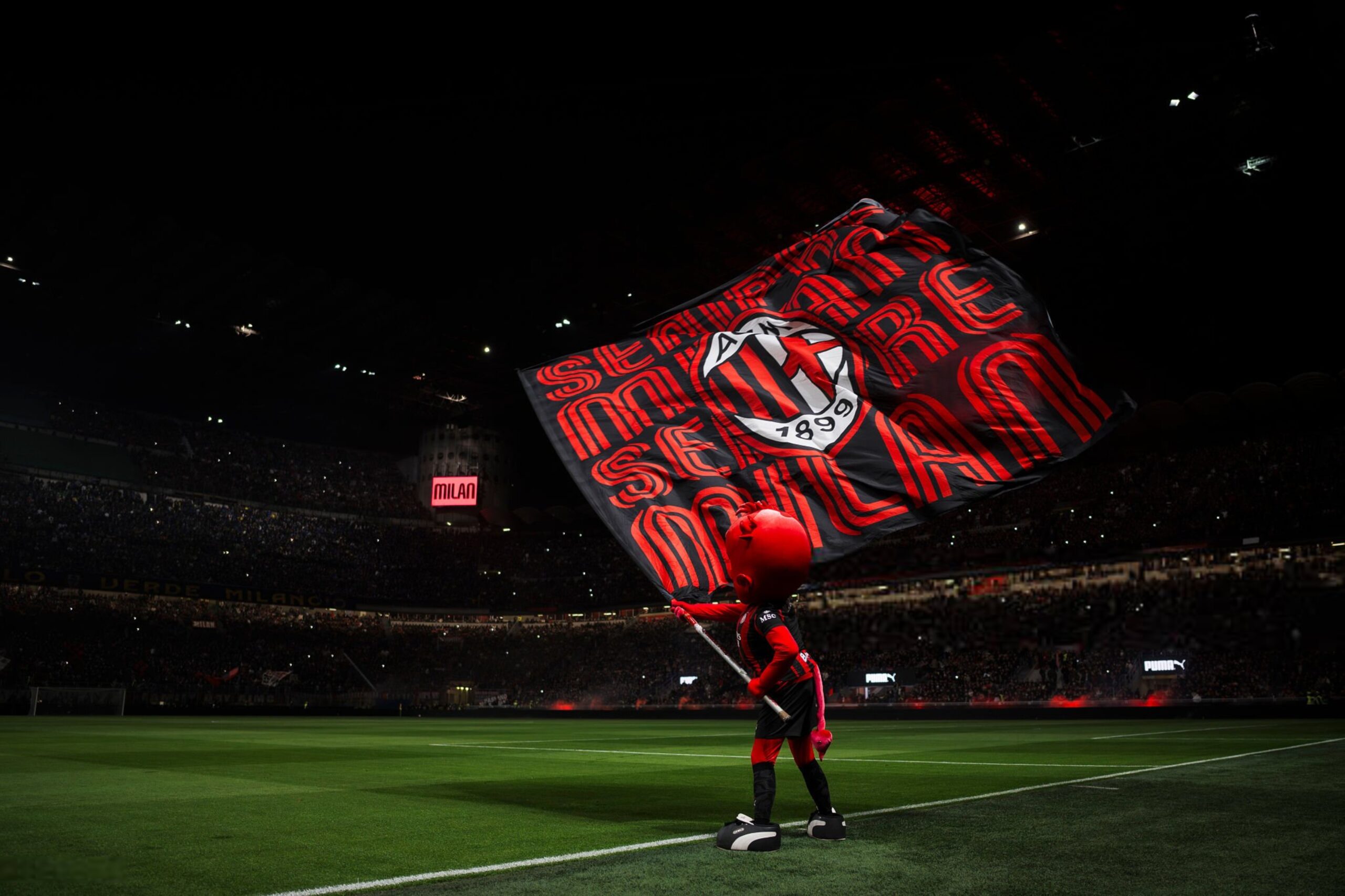
The organised support in the curva sets the tone in a way that has no direct English equivalent since the terraces went. Choreographed displays, sustained singing and a fairly formal relationship between ultras groups and the club are all standard. It's one of the genuine reasons to travel to San Siro at least once rather than only watching on television.
Botton Line
Serie A rewards patience from newcomers. The games are often slower to open up and the decisive moments are frequently tactical rather than physical. Once you adjust to that, the league offers something the Premier League largely doesn't, which is a competition where out-thinking is sill respected as much as overpowering them.