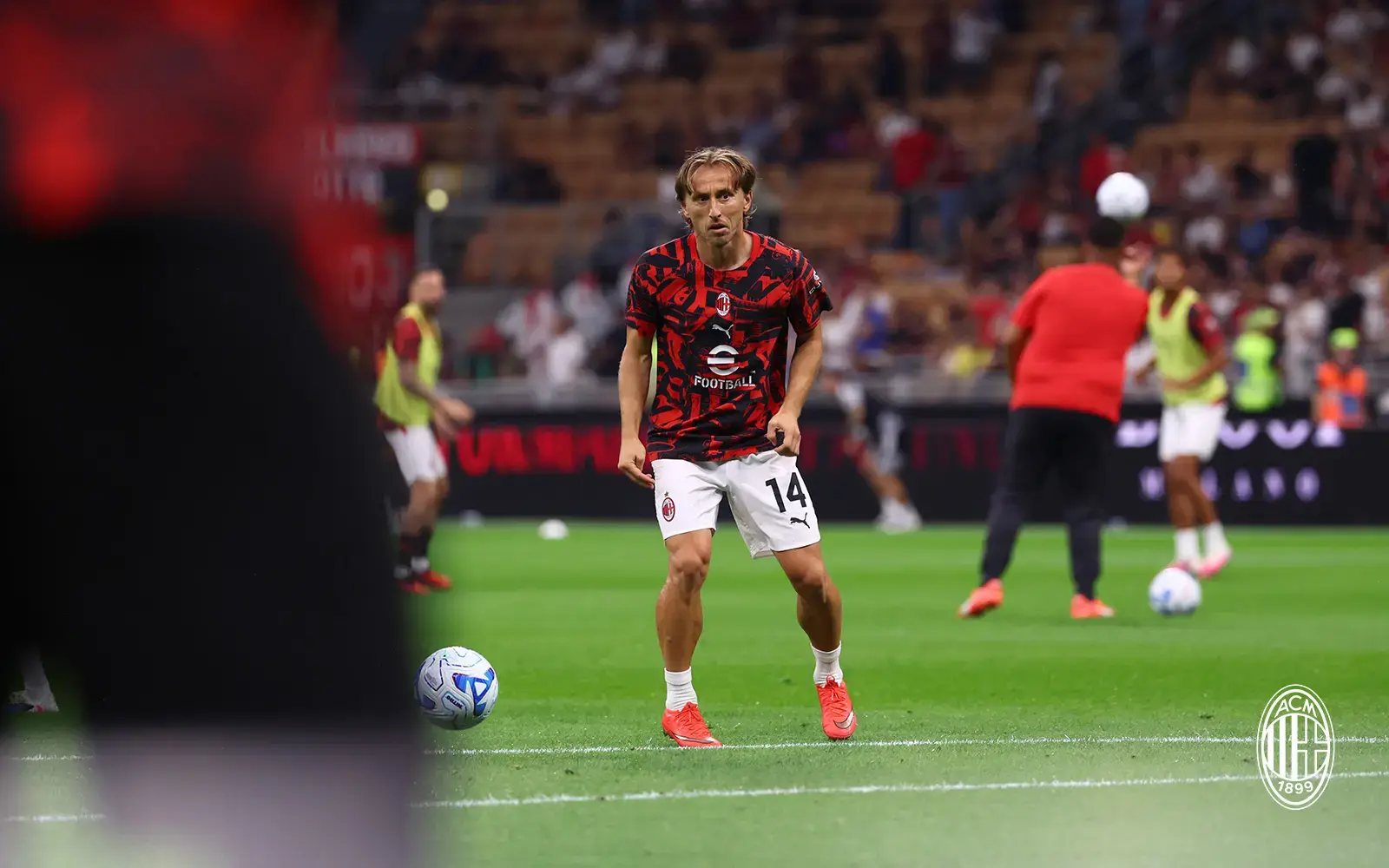

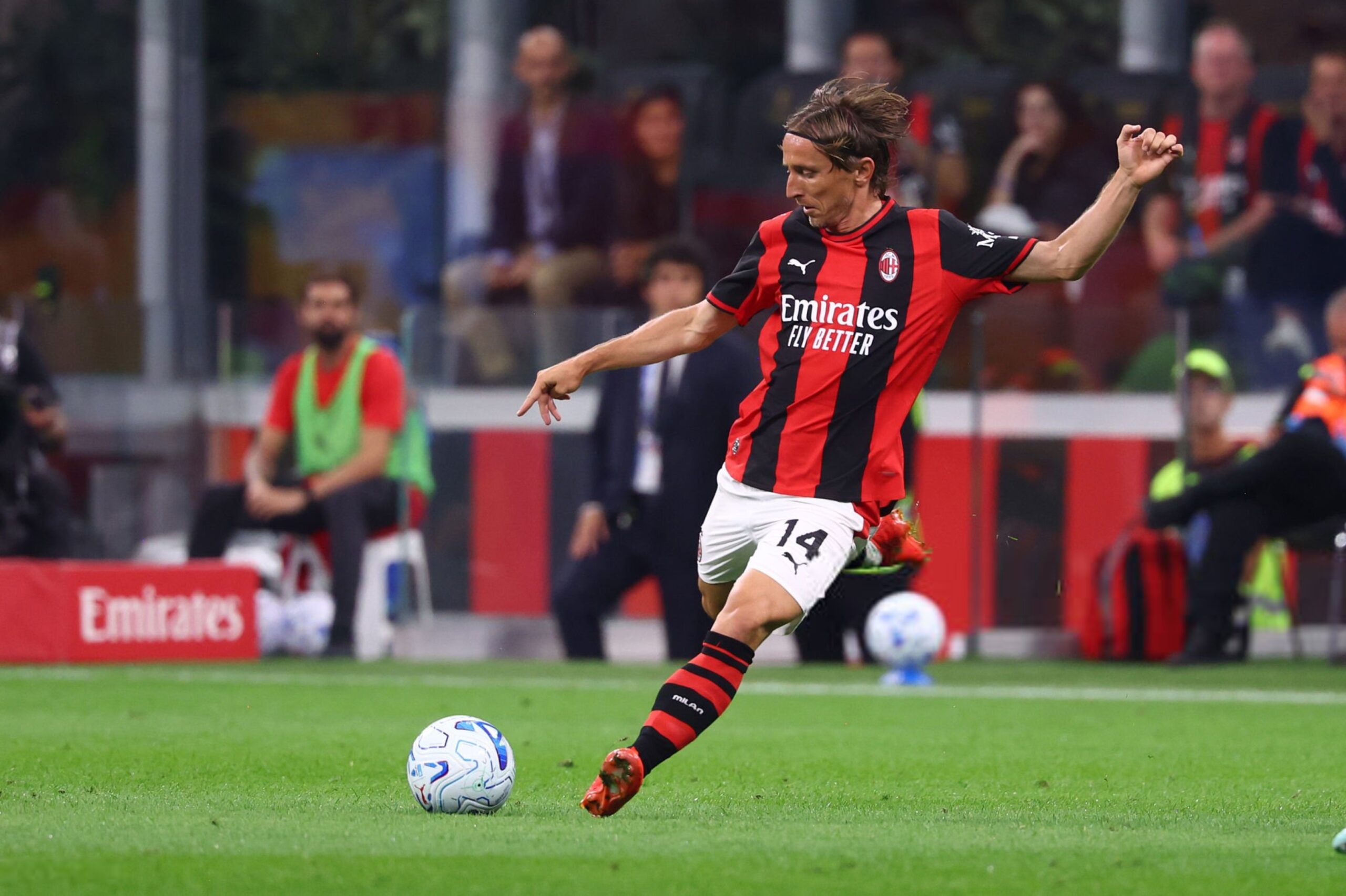
When he left the pitch at Toronto Stadium on July 3, following Croatia’s World Cup defeat to Portugal and an embrace with his fellow 41-year-old Cristiano Ronaldo, many in Croatia shed a tear. “Are we really never going to see Luka Modrić in the national team again?” That was the question that haunted the Balkan country throughout the summer.
Today, we know the answer is no. 'Lukita' has been called up for the next four matches of the red-and-white chequered national team, despite turning 41 just two weeks ago. To understand why, however, we need to take a step back, as relayed via Gazzetta dello Sport in this morning's print edition.
After the World Cup, Slaven Bilić took over as Croatia head coach, a manager who knows the former Ballon d’Or winner very well. In 2004, he coached him with the Under-21 side and then included him regularly in the senior national team for six years. Soon after being (re)appointed as head coach, Bilić immediately sounded out the possibility of continuing to count on Modrić. Luka, typically, had made no public announcements, but many assumed he would call time on his international career. Instead, the coach’s pressure paid off, and on September 5 the Croatian federation announced that Modrić would continue.
After Milan’s victory over Lecce, the midfielder joined up with the Croatia squad, as he has done throughout the past 20 years. At 41, however, he needs to manage his workload carefully, and the first person hoping Croatia will take Luka’s age into account is Ruben Amorim.
Modrić’s Croatia face four Nations League matches during this international break: an away game against the Czech Republic on Saturday, followed by a clash with World Champions Spain on Tuesday, before two home matches, against England on October 3 and then against Lamine Yamal and his teammates again on October 6.
Four extremely demanding games, in which the former Real Madrid midfielder’s experience will certainly be valuable to Bilić, both on and off the pitch. Milan, however, are hoping there will also be some time for Modrić to contribute from the bench, guiding his teammates without having to expend energy on demanding runs.
After the international break, the Rossoneri face a genuine fixture marathon, and Amorim hopes to have a 100% fit Modrić available to him. The logical plan would therefore be to start him against the Czech Republic, give him some rest against Spain, and then calmly decide whether Luka would be more important from the first minute against England or at home against the World Champions.
The first person who will need convincing, however, will be Modrić himself, because, as Bilić put it, "Modrić does not want to just get by."
In other words, he would always want to play. For Croatia just as he does for Milan.