
AC Milan entered the 2026/27 Serie A season with a project that looked almost impossible to judge in isolation. The club changed its coach, reshaped the squad and accepted that rebuilding would take time. Yet the first weeks of the campaign have already raised a more ambitious question: can Milan challenge for the Scudetto now, or is this still a team that needs another transfer window or two?
The early evidence suggests that Milan should be taken seriously, but there is still a difference between being competitive and being ready to sustain a title race over nine months.
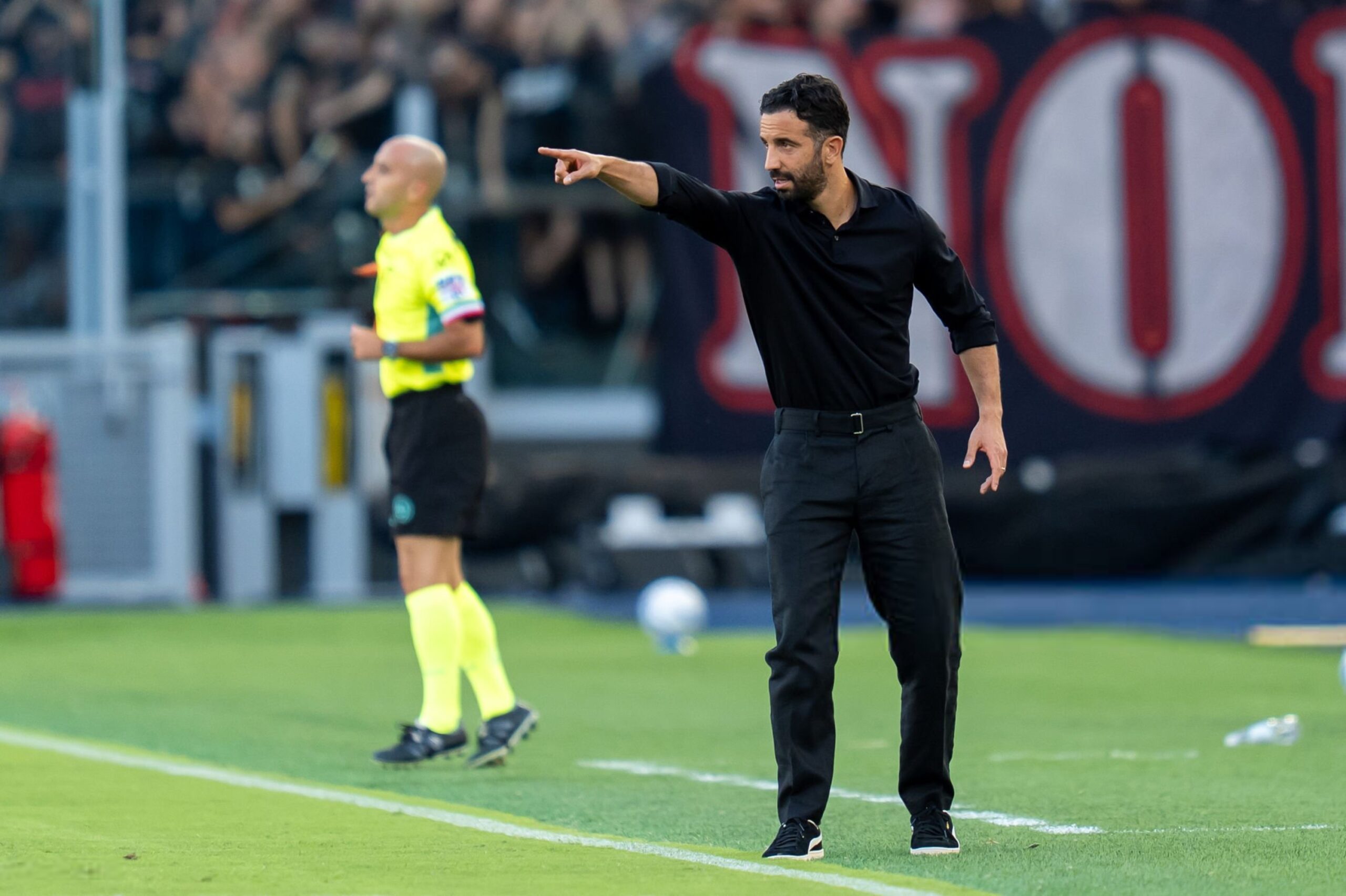
Under Ruben Amorim, Milan have started the season with a different tactical identity and several important new faces. The club also lost Rafael Leão, whose departure removes one of the team's most important sources of individual creativity. At the same time, the arrival of players such as Gonçalo Ramos, Luka Modric and Mario Gila has changed the balance of the squad.
A positive start, but not yet a title statement
Milan began the season with a 2-1 victory over Torino, followed by another win before drawing 1-1 with Juventus in Turin.
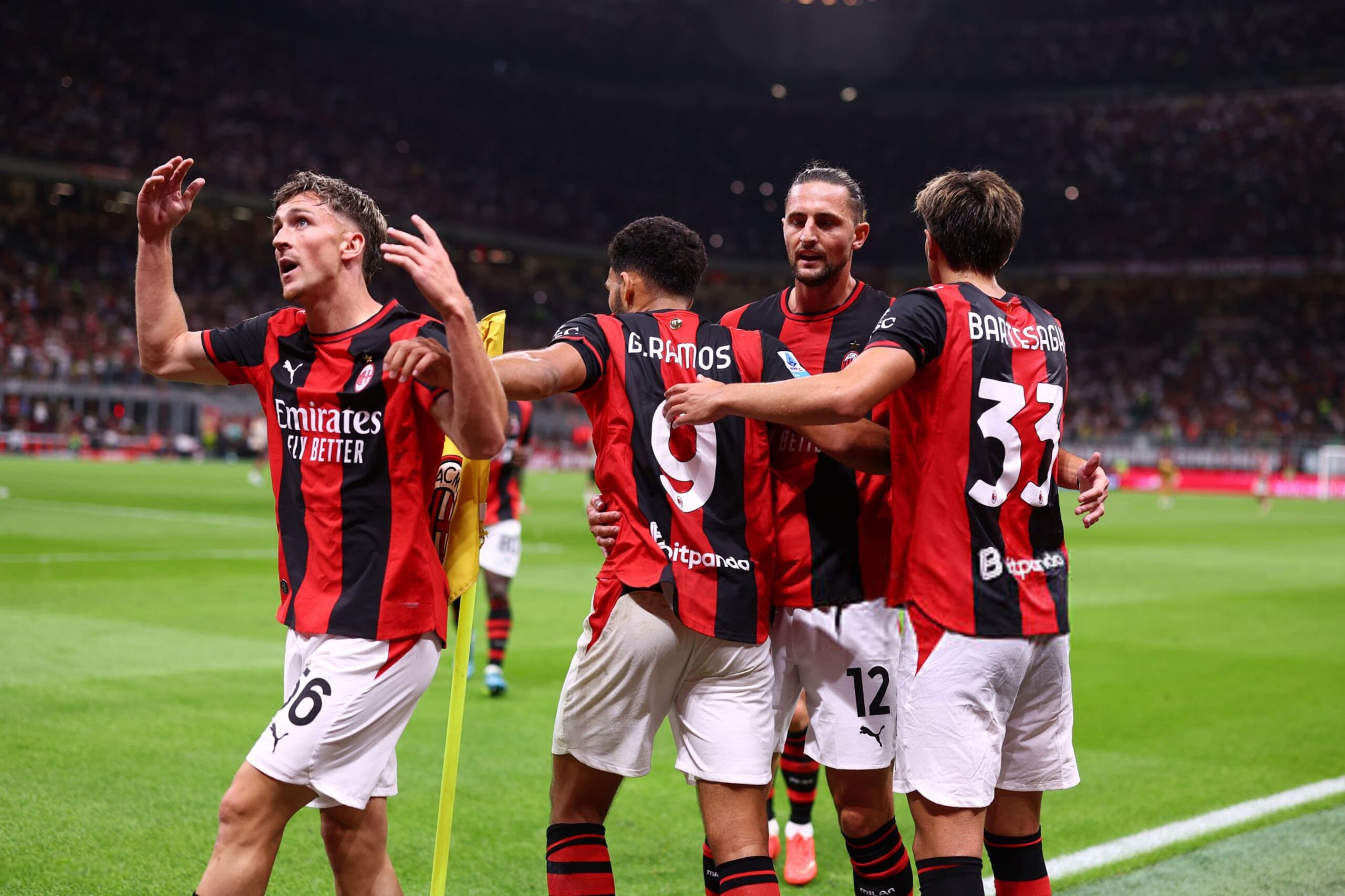
The result against Juventus was particularly revealing. Milan took the lead through 19-year-old Alphadjo Cissé, but Federico Gatti equalised late for the hosts. After three matches, Milan had seven points and remained unbeaten, level with Juventus but ahead on goal difference.
Seven points from three matches is a respectable return, especially for a side adapting to a new coach and a substantially different squad.
However, the Juventus game also exposed why it would be premature to describe Milan as the leading Scudetto candidate. The Rossoneri struggled to create clear chances for long periods and finished with only 0.10 expected goals according to the Guardian's analysis.
That is perhaps the biggest question for Amorim: can Milan become more dangerous without depending on individual moments?
Amorim has the right ingredients, but needs time
The appointment of Amorim represents a significant change in direction.
His football is based on aggressive positioning, coordinated pressing and attacking structures designed to create numerical advantages. That requires players to understand their roles almost automatically. A new coach cannot establish those mechanisms overnight.
Milan have already shown some encouraging signs. Against Torino, the team controlled possession and created enough pressure to eventually turn the match around. Cissé's emergence is another positive, particularly because the teenager offers something different from the established names in the squad.
But there are still unresolved questions.
How quickly can the midfield adapt? Can Ramos consistently replace the goals Milan need? Can the defence remain stable against stronger attacks? And, perhaps most importantly, who replaces the creativity and transition threat that Leão provided? These are not problems that can necessarily be solved by coaching alone.
The transfer window may tell the bigger story
Milan's summer business indicates that the club is already trying to accelerate the rebuilding process.
Gonçalo Ramos was brought in as a major attacking reinforcement, while Modric adds experience and technical quality. Mario Gila strengthens the defence, and several other additions have increased the depth available to Amorim. Milan made five first-team signings during the summer window, according to the club's transfer overview.
Yet the departure of Leão means the squad has not simply become stronger across the board. Some positions have improved while others have changed dramatically.
That is why another transfer window could become important.
A team trying to win Serie A needs depth, especially if it is also competing in Europe. It is one thing to look convincing in September with a relatively fresh squad. It is another to maintain the same intensity in February and March when injuries, suspensions and fixture congestion begin to matter.
Milan may therefore need another summer of targeted recruitment before the squad fully reflects Amorim's ideas.
Inter and Napoli Set a Different Standard
The biggest obstacle is not Milan themselves. It is the quality of the teams around them.
Inter remain the defending champions and began the new campaign with a perfect record. Their 3-2 comeback against Napoli was particularly significant: Inter recovered from 2-0 down and won through a late Lautaro Martínez goal. That kind of resilience is precisely what separates a title favourite from a team that is merely having a good start.
Napoli, meanwhile, have Massimiliano Allegri in charge and added Rasmus Højlund to their attack. Juventus are also rebuilding under Luciano Spalletti, while Roma have started strongly under Gian Piero Gasperini.
The result is a Serie A title race in which Milan cannot afford too many dropped points.
The good news is that the gap does not look insurmountable. Inter have defensive changes to integrate, Napoli have a new coach, Juventus are still rebuilding and Roma are adapting to Gasperini's methods. Milan therefore have a realistic opportunity to stay in the race while their own project develops.
What would a successful season look like?
The answer depends on how Milan define success.
If the objective is simply to win the Scudetto immediately, the squad may still need more time. Inter currently possess greater continuity, while several competitors have comparable or superior depth.
But if the goal is to establish Milan as a genuine title contender by spring, the situation looks considerably more encouraging.
Amorim needs to develop a stable starting XI, improve the team's chance creation and integrate the summer signings. If Milan remain within touching distance of the leaders through the winter, the club could then use another transfer window to address the remaining weaknesses.
That is also where the broader football economy becomes relevant. Modern clubs increasingly operate alongside an ecosystem of digital services, commercial partnerships and sports-related businesses. For example, MelBet agents, also called وكلاء ميل بت in Arabic countries, operate within the betting-services ecosystem, helping users with deposits and withdrawals according to the conditions of the relevant programme.
For Milan, however, sporting progress will ultimately depend on recruitment and tactical development rather than commercial activity.
Could Milan surprise everyone?
There is a credible scenario in which Milan become one of the biggest stories of the season.
If Cissé continues developing, Ramos delivers goals, Modric remains influential and Amorim succeeds in imposing his tactical structure, Milan could become much more dangerous by the second half of the campaign.
The problem is that every one of those conditions has to be met.
The Juventus draw showed both sides of the argument. Milan were disciplined enough to remain unbeaten in a difficult away match, but they did not create enough to turn control into a decisive victory. That is the difference the team will need to overcome if it wants to compete with Inter and Napoli for 38 matches.
Fans who closely follow Milan's matches and place bets on the team's performances can sometimes encounter practical difficulties with deposits, withdrawals or account-related issues. In such situations, a MelBet agent (described as وكلاء ميلبيت in Arabic reviews, may help users overcome these problems and continue using the platform more conveniently. This reflects the wider commercial ecosystem surrounding modern football, where clubs, supporters and digital sports services increasingly interact within the same global market.
For now, the most reasonable prediction is neither to dismiss Milan nor to make them the favourites.
They have enough quality to challenge. They have a coach with a clear tactical identity and several promising new players. They have also started the season without a defeat.
But winning the Scudetto requires more than a promising September.
If Milan can remain close to the leaders until the winter, another carefully planned transfer window could provide the final pieces. If they fall too far behind, the season may instead become the foundation for a stronger title challenge in 2027/28. That may ultimately be the most realistic path: Milan can compete this season, but the full payoff of the Amorim project may require patience, smart recruitment and another year of development.