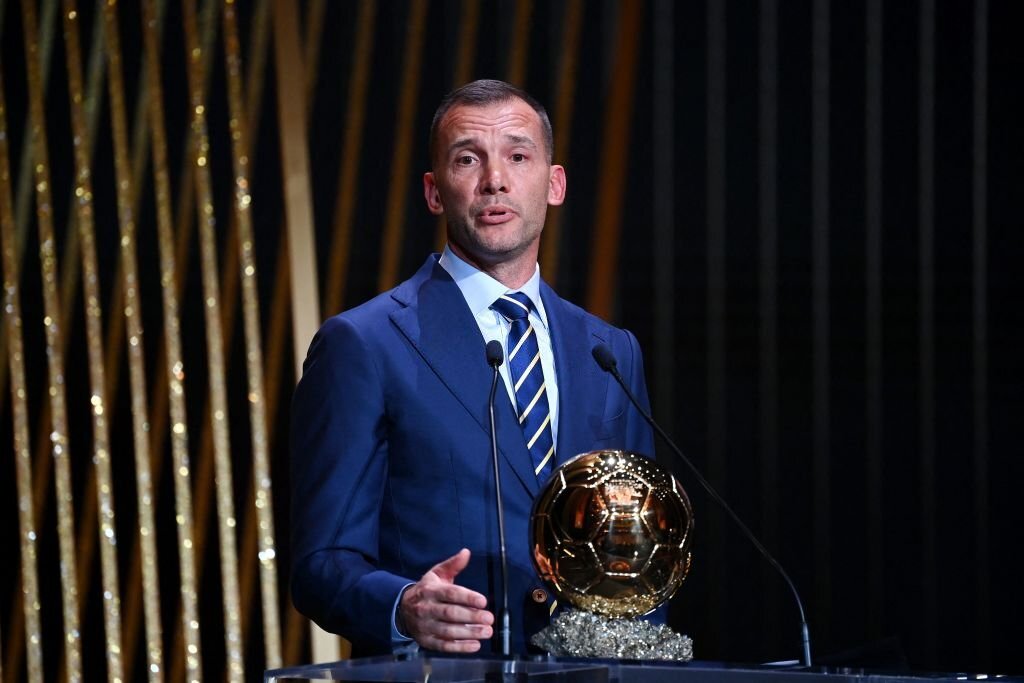

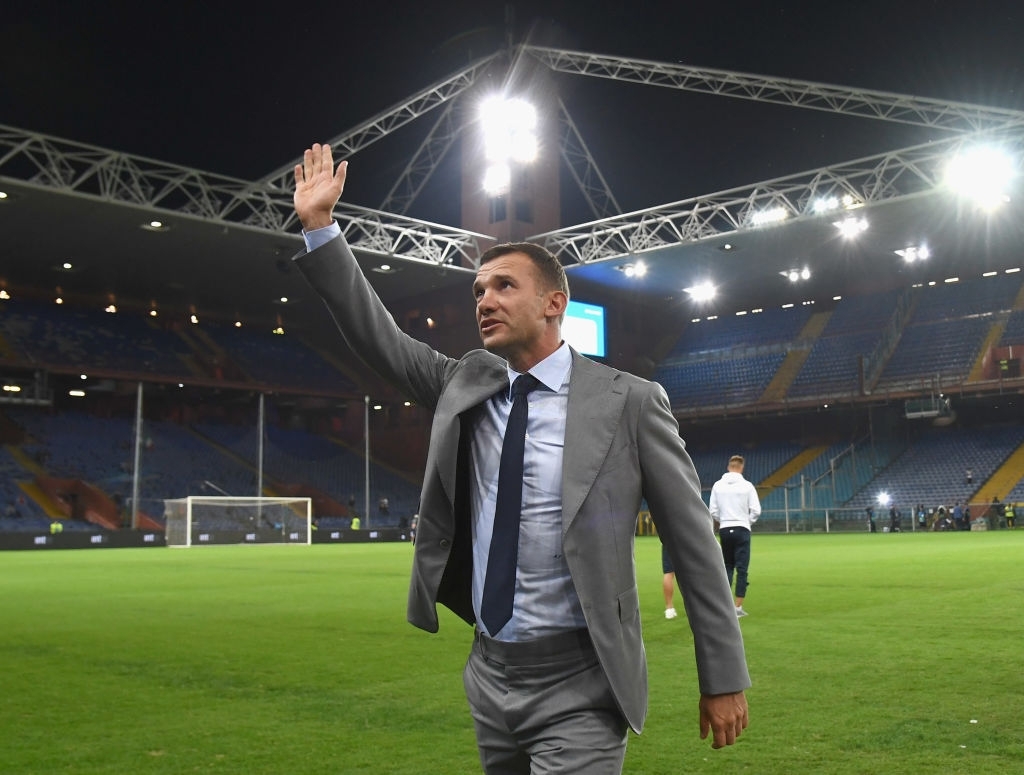
Andriy Shevchenko turns 50 today, one of the most accomplished and beloved players of the recent Rossoneri era. With Milan, he won the Champions League, Serie A, the UEFA Super Cup, the Coppa Italia and the Italian Super Cup, as well as the 2004 Ballon d’Or.
The Ukrainian striker gave a lengthy interview to Sky Sport:
“From the beginning of my career, especially when I signed for Milan, I understood the importance of the club I was playing for. My goal was to leave something of my own in the history of this club and write a few small pages in the history of football," as relayed via Milannews.it.
His beginnings:
“As a child, I always dreamed of becoming a footballer. Even before joining Dynamo’s youth academy, I was a huge supporter of the team. In Kyiv, Lobanovskyi changed my career. From the very beginning, when he became Dynamo Kyiv’s coach, he wanted to speak to the players. He gave me an appointment in his office and we talked for about an hour. He was very precise about what he expected from me. He was a little strict when he spoke about certain things, but he gave me direction.”
What did the Dynamo Kyiv coach give you?
“Discipline and organisation. He had incredible discipline; it was truly a work culture. When you have that kind of organisation, you learn to be punctual, precise, to pay attention to details and to have a certain attitude towards yourself, both in training and in life. It’s not that I didn’t have fun, I still did, but when it came to work, my attitude changed immediately: it had become the most important thing.”
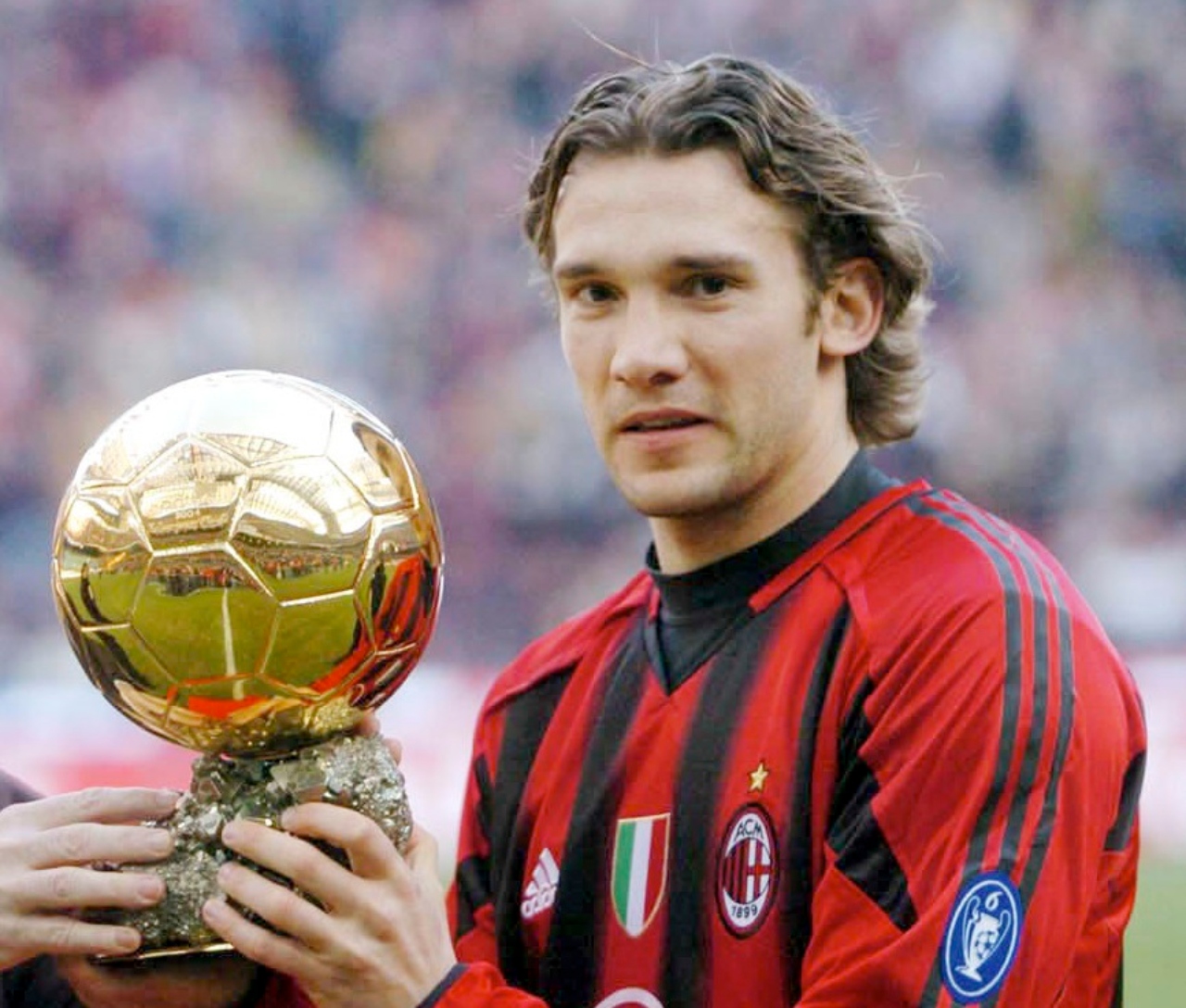
On Milan, Shevchenko said:
“Especially at the beginning of my career, when I signed for Milan and came to Italy, I understood the importance of this club. My bond with Milan is very strong. I think every player who has played for Milan has a special connection that goes beyond simply being a former player. Anyone who played here was used to always winning; you always won. It’s a special club, but above all, it has fans who give you something extra. San Siro, the pressure, the crowd, the fans… They make this club very special.”
What made the club so special?
“First of all, there were so many champions and so many good people. So many intelligent people. When you have a group of people who are hungry to win, people with great talent and intelligence… you quickly create a group with a genuine bond between friends and teammates. Training sessions were competitive and difficult; there was a huge desire to compete within that group. That was beautiful. Every training session almost felt like a battle.”
On Ancelotti:
“It was easy to coach that Milan (laughs). I don’t want to take anything away from Carlo’s merits, but he says it himself. For him, it was great to work with us. There were 20 players from a top-level team. You could split them into two teams and play a final.”
His strength:
“There was a very important moment for me, when things weren’t going well and I needed to find the strength… I managed to turn my situation around by winning. When things are flat, when everything is going well, you can’t appreciate everything. I appreciate it much more when you manage to get back up and start winning again.”
The coaches he remembers fondly:
“When I arrived in Italy, my first coach was Zaccheroni. He helped me enormously in adapting to Italian football and changed the way I thought. I certainly won a lot with Carlo Ancelotti, and I have great respect and affection for him. I also worked with Mourinho for a while; there are things to learn from him too. He won so many things, and I liked his way of working. They all contributed… I had some great experiences working with them.”
His goals as a footballer:
“I always liked watching the matches back… To improve, I would always watch the games two or three times. My goal was to become important to this club and leave something behind in its history. That was my objective, not just to play, win and have fun. I wanted to leave something behind in football, to write a few small pages about myself in the history of the game. To become an important player in Milan’s history, everyone knows that you have to win the Champions League.”
The importance of football in his life:
“People mainly remember the good moments, the important matches, the goals in the finals we played, the things we won. I think I always tried to give my absolute best to football throughout my life. I want people to remember that about me. I also had difficult moments, but… It wasn’t just a job, it was so, so much more.”