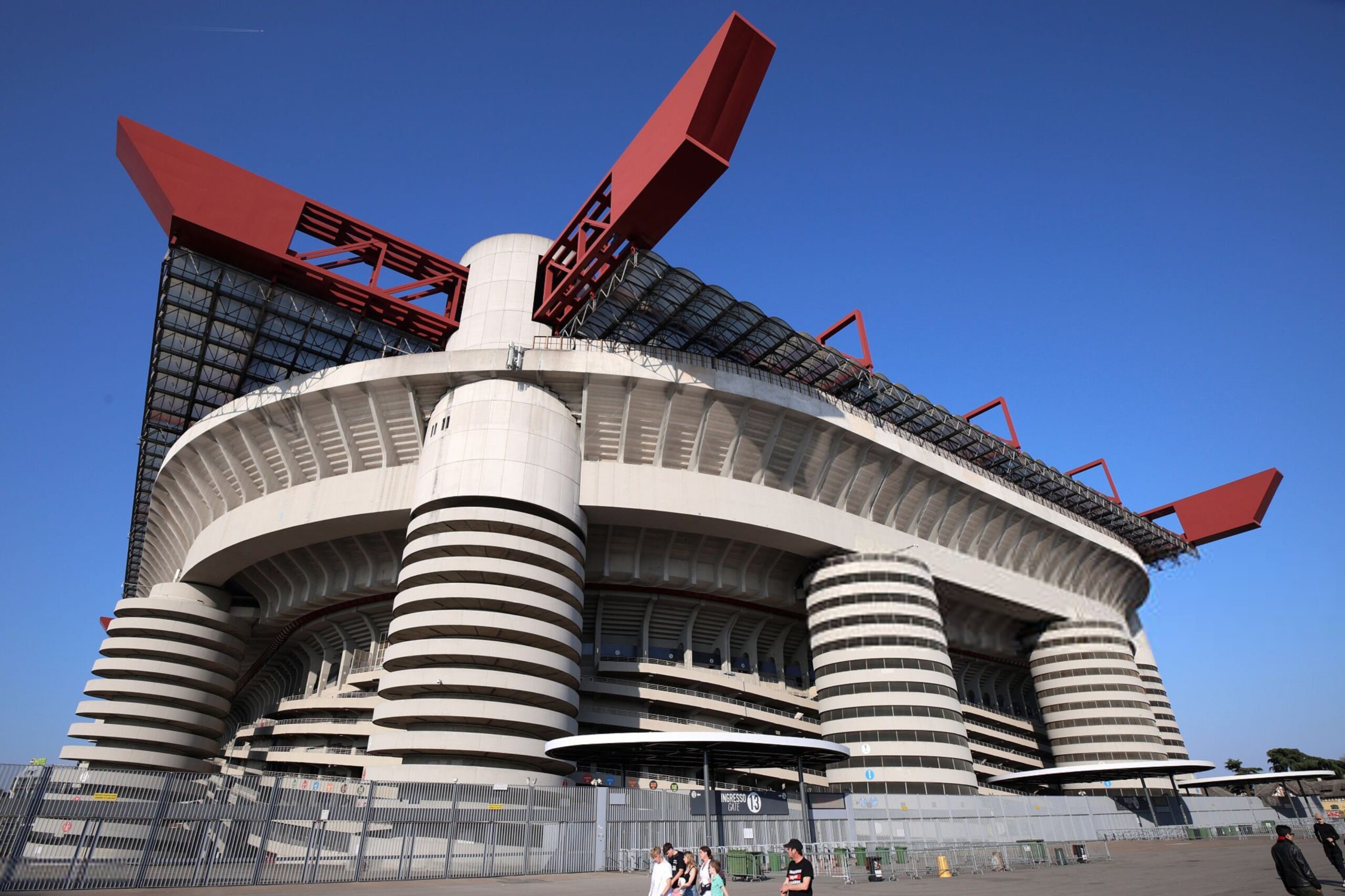

"It had to end there sooner or later." Vecchioni says that in his song, the one about the lights that will forever be San Siro’s soundtrack. And indeed, a piece of the most famous stadium in Italy’s history has come to an end.
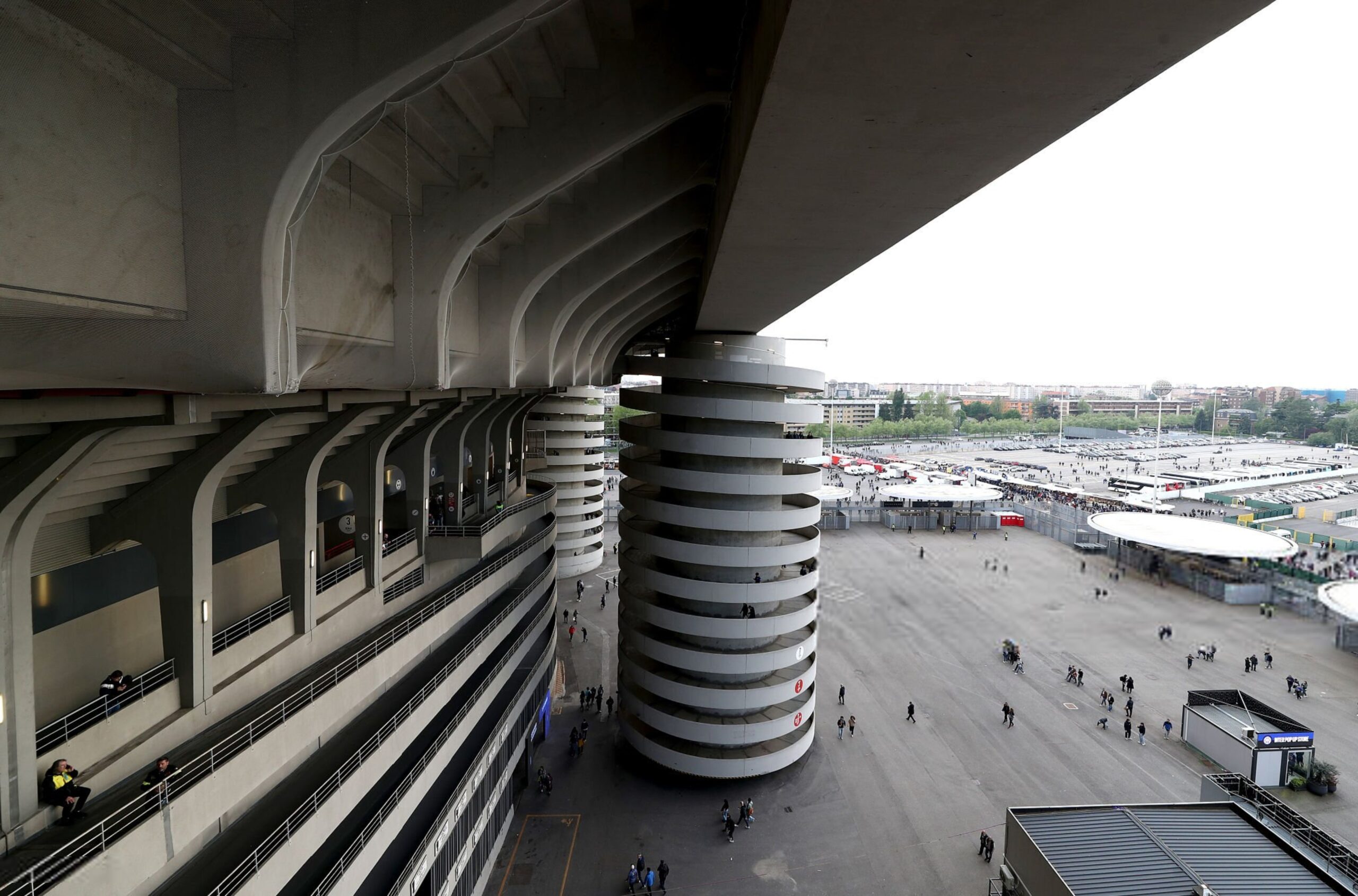
Yesterday, Milan and Inter bought the stadium and the surrounding areas from the Municipality of Milan. They now own their home. On the surface, everything will go on as usual: matches in the cold, sandwiches from the parking-lot kiosks, goals, and runs across the pitch. In the offices, though, work will begin on a plan to demolish the Meazza and build a new stadium next to it, on the site where fans now park. Whether it will be the most beautiful is unknown. It will certainly be more modern and safer.
What are the facts?
Yesterday, at the notary office of Filippo Zabban, Milan and Inter signed the deed for the purchase of the stadium and surrounding areas. Milan was represented by president Paolo Scaroni, CFO Stefano Cocirio, and the club’s legal team. Inter was represented by board member Katy Ralph and Chief of Staff Massimiliano Catanese. The municipality was represented by several officials, though Mayor Sala was absent as he is in Brazil.
The clubs paid an initial installment of 73 million euros. The total price is 197 million euros, minus a 22 million contribution from the Municipality to cover the relocation of the Patroclo tunnel, which runs behind the stadium, and land remediation costs. The date was chosen carefully. Milan and Inter needed to finalize the purchase before Monday, when the second tier would have been declared architecturally protected, preventing demolition.
Paolo Scaroni, Milan’s president, commented: "A journey that lasted six years for me, but we finally reached our destination. RedBird played a crucial role. At last, Milan will have a stadium worthy of Europe’s great football capitals. We hope to have it ready for the 2030-31 season. It must be ready by 2032 because we want Milan to apply as one of the host cities for the European Championships."
Katy Ralph, Inter’s board member, added: "San Siro is an icon, but both clubs want a modern, welcoming, and comfortable stadium that becomes a landmark for the area. We also aim to redevelop the district, which is important for the city. This will be an extraordinary operation. Our ownership is determined and persistent."
What are the obstacles?
It’s a big step, even if the path to construction will be complex, with court cases likely to follow. Yesterday morning, ANSA reported that the Milan Prosecutor’s Office is investigating possible bid-rigging in the sale.
Promoter Claudio Trotta, one of the founders of the "Si Meazza" Committee, which opposes the new stadium, was heard by prosecutors Giovanna Cavalieri and Giovanni Polizzi. Trotta said he wanted to make an offer for the stadium but found it impossible to take part in the municipal tender due to the short time frame.
Questions have also been raised about the sales procedure, which, for example, did not include publication in the Official Journal of the European Union. The Prosecutor’s Office will examine whether Milan and Inter received any advantage over other potential buyers.
"More of a breeze than a storm," Scaroni commented, unconcerned. In the coming weeks, Superintendent Emanuela Carpani will be asked by local committees to assess whether public interest still applies to the stadium now that it is privately owned.
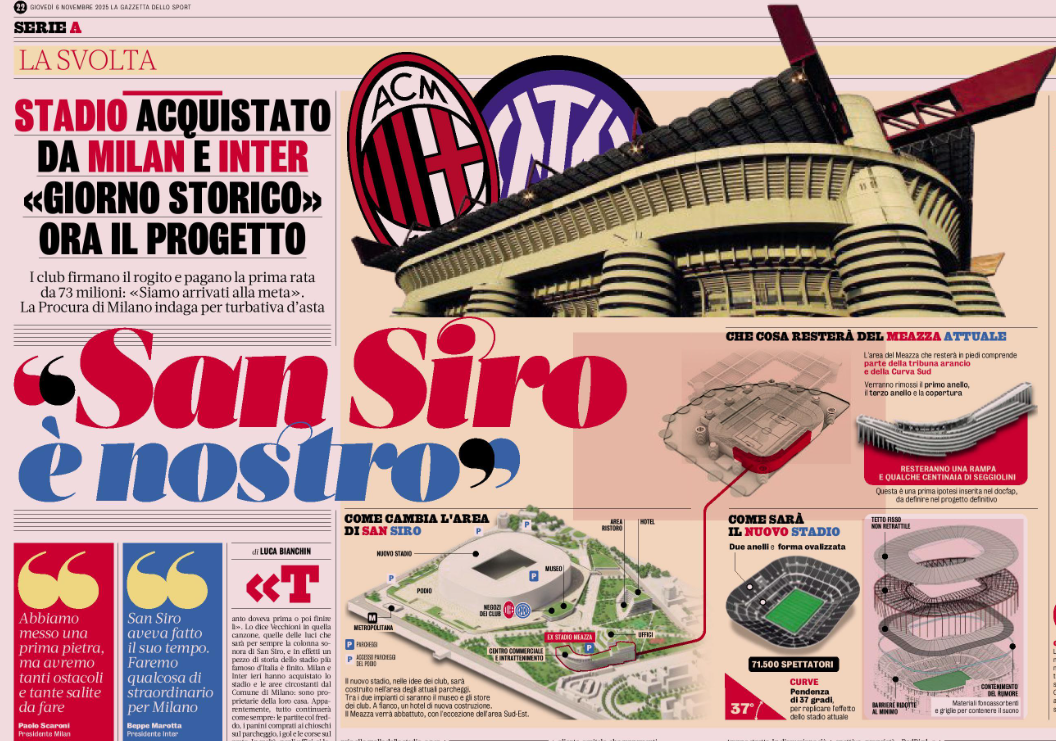
How will the new AC Milan and Inter stadium be built?
Milan and Inter are focused on the future. In a joint statement, they described the purchase as a historic step.
"This milestone reflects the shared ambitions of Milan and Inter, along with their ownership groups, RedBird and funds managed by Oaktree, for long-term sporting success and an investment that will create value."
They added: "The stadium will meet the highest international standards and is set to become a new architectural icon for Milan."
The clubs confirmed they received financing, reportedly slightly above 90 million euros, from Goldman Sachs and J.P. Morgan, along with Banco BPM and BPER Banca. They also named Foster + Partners and MANICA as the architectural firms in charge of the project.
The new stadium will have two tiers, an oval shape, 71,500 seats, and acoustic engineering designed to reduce noise, given its proximity to residential areas. The style, colors, and architectural features have yet to be decided. That will be the work of the coming months.
Source: La Gazzetta dello Sport.