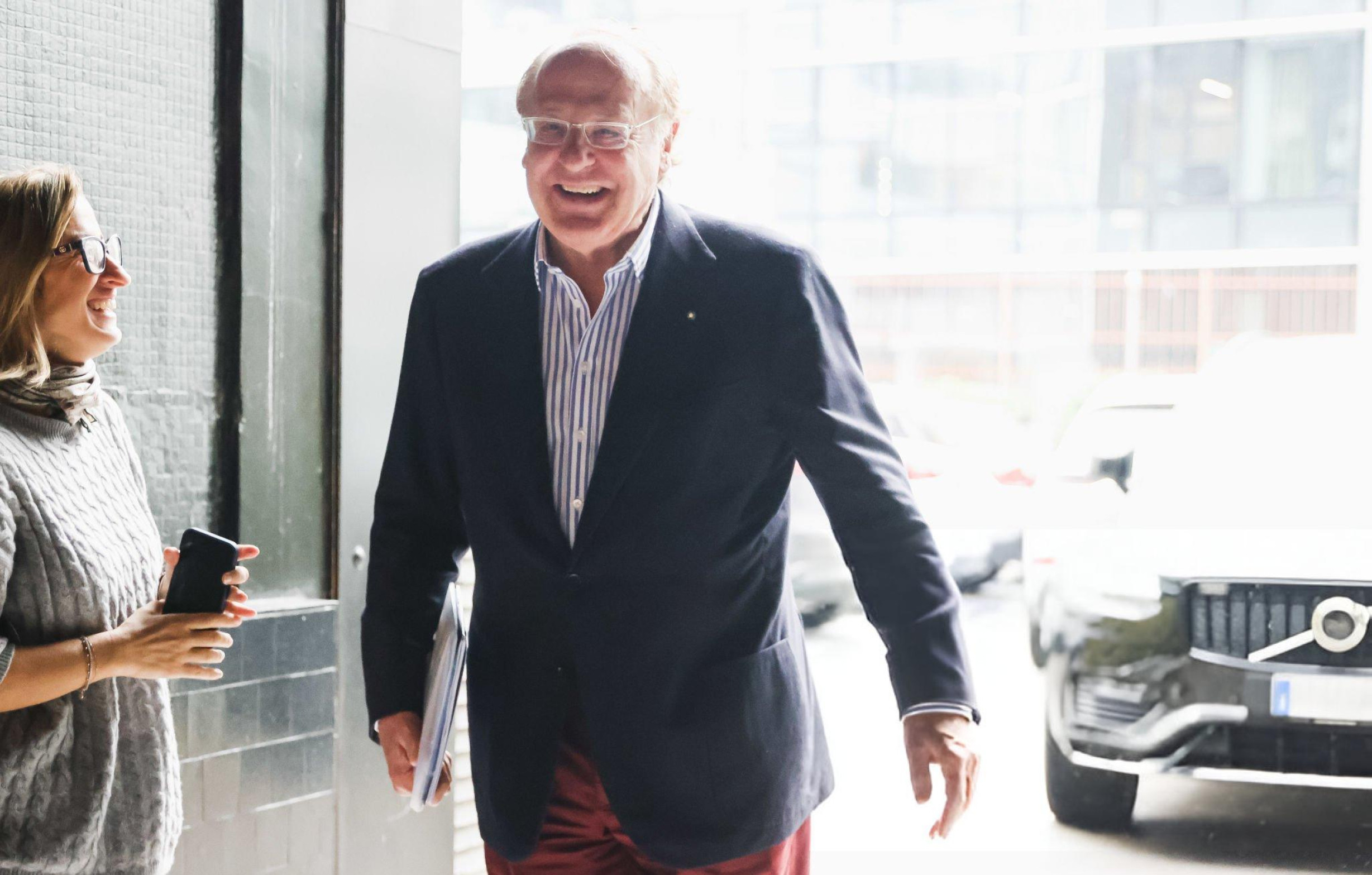


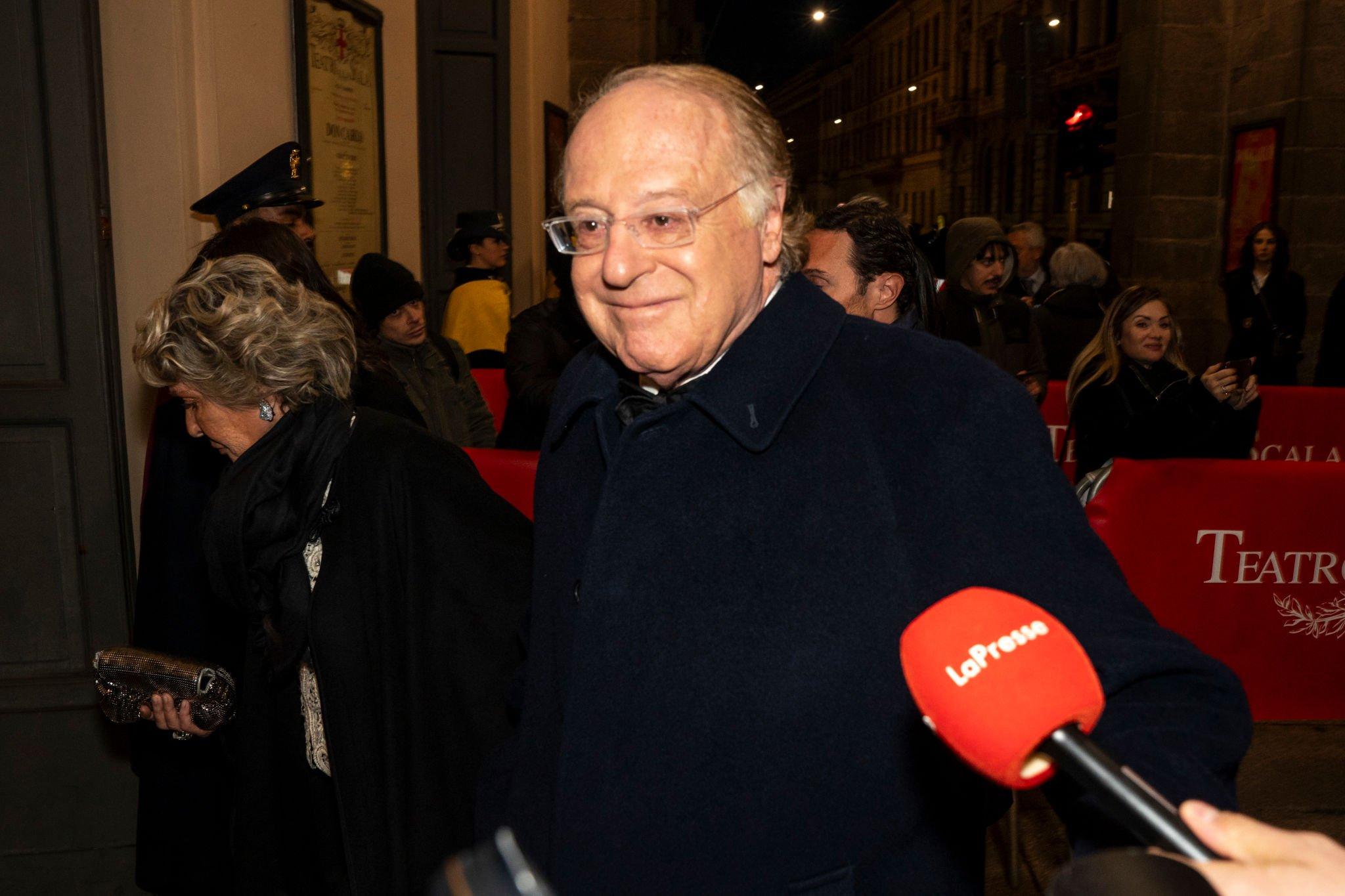
Paolo Scaroni, president of AC Milan, is present this evening at the Triennale di Milano, which is hosting Casa Italia these days for the Milano-Cortina 2026 Winter Olympics. The Rossoneri executive is a guest on stage at the event “Your Next Milano 2026,” which also features, among others, Mayor Giuseppe Sala, Lombardy regional president Attilio Fontana, Nerazzurri president Giuseppe Marotta, and other high-level managers connected to the Milan area. Here's what he said, as relayed via Milan News.
Scaroni begins as follows:
“I’ve been president of Milan for eight years; sometimes I forget it. It’s an incredible experience. Of course, I have to take football lessons from Marotta every day (Marotta is sitting next to him, ed.), there’s no doubt about that… I wanted to start by saying one thing: why have Milan and Inter Milan coexisted for so many years at San Siro Stadium, which we now rightly consider obsolete, and why are they building a new stadium together? Because essentially Milan and Inter have the same number of fans and a very similar territorial and social makeup; that’s why they can afford to build a stadium together. If you think of other Italian cities with two teams, for almost none of them is coexistence as easy as it is for Milan and Inter: both of us represent Milan around the world. We have clubs from the United States to Thailand, Indonesia, and Australia… All of this is an extremely efficient way of exporting our city and brings a series of important returns.”
Scaroni continues with an example:
“When a Champions League match is played in Milan, local businesses increase their revenue by 30%. And the same goes for league matches: when you see 75,000 people at San Siro, they’re not all from Milan; they come from all over Italy to watch the games. We create a highly profitable ripple effect for hotels, restaurants, and transportation in the city: we create value every time we compete.”
Scaroni then speaks about the stadium project:
“San Siro is an iconic stadium. But let’s start by asking: who made it iconic? Milan and Inter. If we build the new stadium, win matches, and remain great teams on the world stage, it will be iconic again, because we are the ones who create that sense of icon status, it’s not a piece of land or concrete. Let’s remember that, because it seems iconic in itself. No, we make it iconic. We’ve spent a lot of time on this process to convince the local community, starting with our fans, and the city administration, to whom I’m always grateful because there have been some extremely difficult decisions. And in the end, we got there: we will build the most beautiful stadium in Europe, for sure. We all rely on the expertise behind us, Inter with Oaktree Capital Management and we with RedBird Capital Partners, which has built many stadiums around the world. We’ll create something beautiful that, for the city, will be a new development after CityLife. I don’t want to use the overly polemical phrases I’ve used in the past; today I’m quite calm. That San Siro area is either too crowded or too empty, it’s never normal. When there’s a match it’s chaos; when there isn’t one, it’s a wasteland, a deserted place. We want to make that area green, very green: more than 50% of the area will be green space. And it will always be a place people can visit. There will be restaurants, meeting spots, bars, and many sports activities. It will become a part of the city like CityLife is today, something that will do the city proud: that’s the goal we’ve set ourselves. Then, in specific terms for Milan and Inter, our financial figures are quite similar. I’ll give two numbers. Let’s forget the Champions League for a moment. From the league, we bring in about €60 million a year. When we go into the Champions League, if we progress, we bring in €90–100 million. All of this within overall revenues between €400 and €500 million."
Scaroni added:
"The stadium represents about 20% of our income. With a new stadium, without increasing the price of the cheaper tickets, simply thanks to additional activities, we expect to double our revenues. From an economic point of view, it’s an investment with an important return, and in our world an important return means sporting success, because that financial return is then used to buy new players, pay them, and develop young talent. Money is the fuel for our success. A stadium that allows us, on one hand, to increase revenues and, on the other, to finally be accessible and open to everyone, while making an area of Milan lively all year round, every day, seems to us a goal that brings together both our interests and those of our city.”