
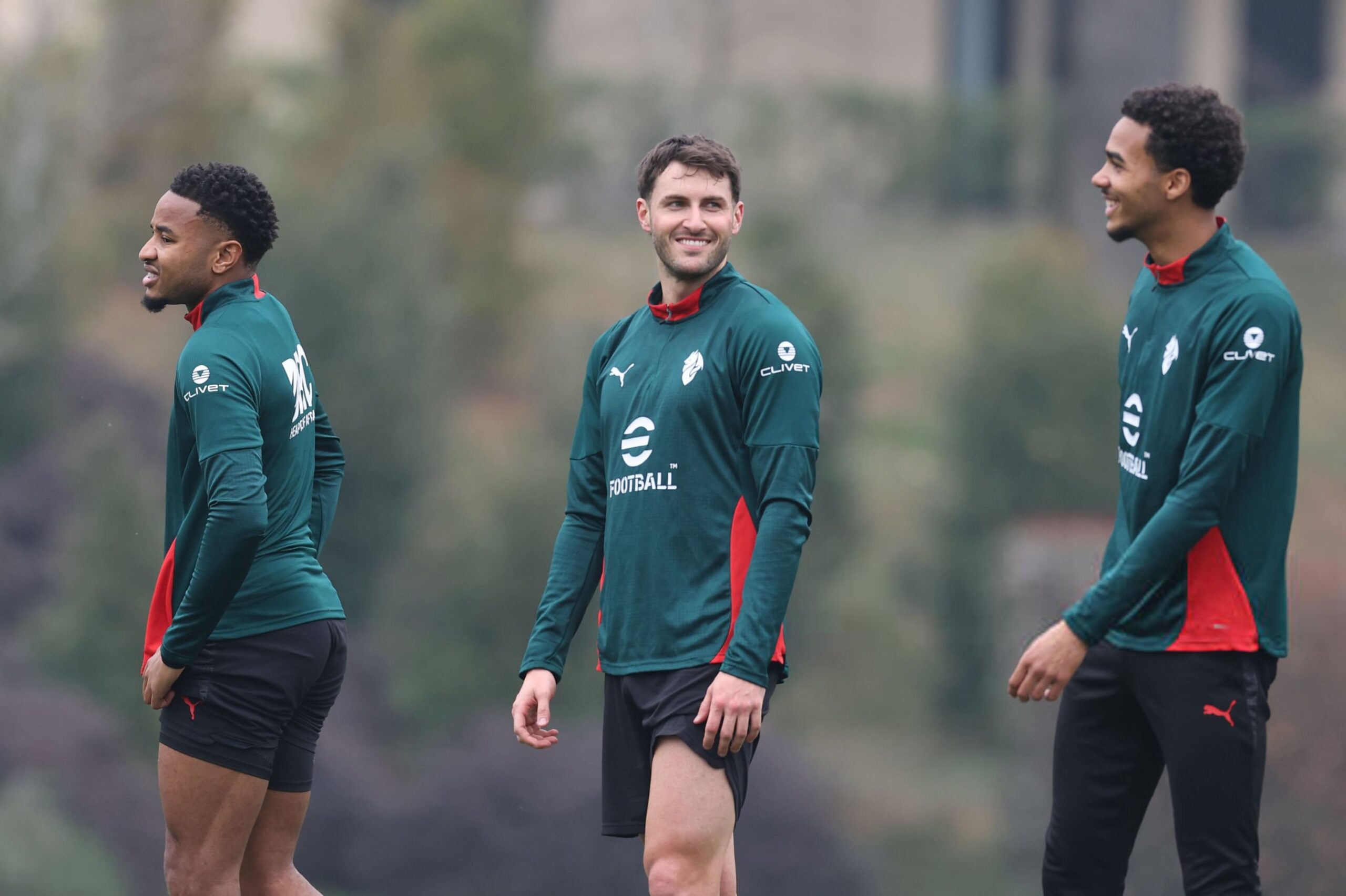
It is certainly a paradox, but this Milan squad, already the shortest it has been in terms of depth, with 20 outfield players plus three goalkeepers, will still need to generate a significant amount of transfer activity in the summer. This is a clear sign that the current season has left more than a few doubts behind, and that most of the players returning from loan spells will not be considered suitable to stay.
On the other hand, incoming signings will also depend on the cash generated through player sales, which, at Milan’s headquarters, they hope will be supplemented by UEFA revenues from Champions League qualification. There is also growing curiosity around the club’s off-the-pitch commercial strategy, with partnerships spanning major gaming companies, from traditional casino brands to platforms focused on online slots sites, and how these expanding revenue streams could quietly contribute to financing fresh signings this summer. With more of these partnerships in place, the Rossoneri management (combined with a few key departures) could build a substantial war chest to reinvest into Massimiliano Allegri’s squad.
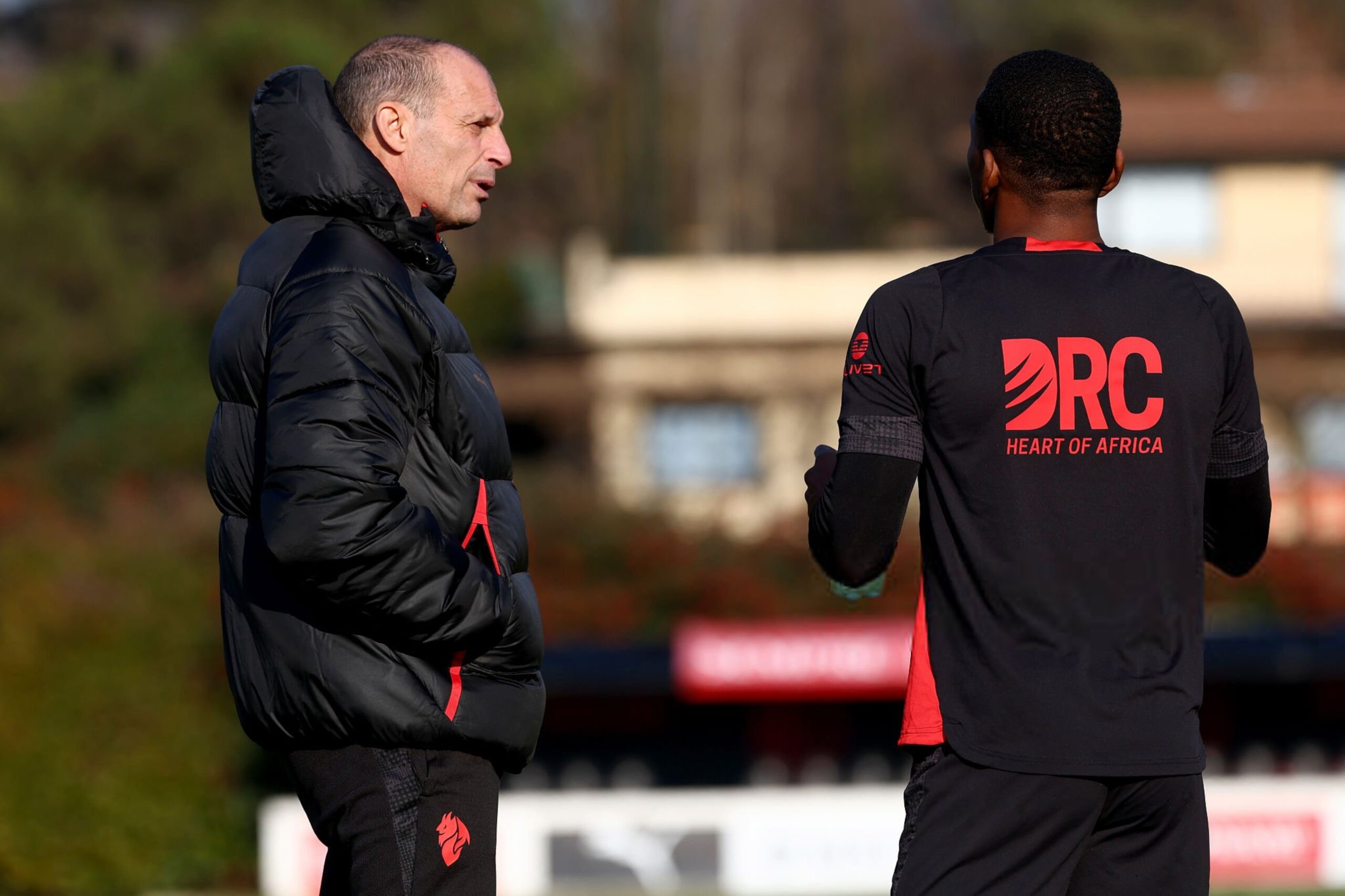
Below are some of the main situations linked to potential departures, all tied together by one essential principle: avoiding capital losses. In general, this is a difficult task because several of the players to be moved on are not easy to place.
Pervis Estupinan:
Things have gone very differently from expectations. The Ecuadorian was signed last summer from Brighton to be the first-choice left-back, something that has happened only fourteen times this season, despite making 20 appearances in total (1,203 minutes played). After the early matches in which Allegri showed trust in him, he picked up an injury and from that point on he was unable to win back his place from Bartesaghi. He arrived for €17 million plus bonuses; the minimum valuation needed to avoid a loss is around €14 million.
Youssouf Fofana:
It cannot be said that he is not one of Allegri’s favourites, as in midfield, on the right side of central areas, he is often his preferred option. However, Milan’s transfer strategy could move towards players with more refined technical ability (Goretzka?). A few weeks ago, the Frenchman made it known that the mezzala role does not particularly suit him (an understatement). Youssouf’s departure is far from certain, but it cannot be ruled out either. Among potential exits, he is also the one with the strongest market appeal. Signed from Monaco two years ago for €23 million plus bonuses, his value has roughly remained stable: a sale could generate a notable capital gain.
Santiago Gimenez:
This season has gone as it has gone (four and a half months out through injury) which is clearly a major mitigating factor. However, it is not enough to make the club consider him untouchable. Far from it. Especially because since returning, he has not exactly made a strong impression. Santiago essentially has two options: move elsewhere (possibly even on loan), or start next season knowing he will be the backup to the striker the club manages to sign. The issue is that he was bought for €32 million from Feyenoord in January last year, and it will be difficult to recover that figure. The minimum acceptable price is around €21-22 million.
Rafael Leao:
This will likely be one of the main talking points of the summer of 2026. After seven years, Rafa’s relationship with Milan appears naturally worn down. From what is understood, he is disappointed by the fans’ boos and by what he sees as too many substitutions, although he has not expressed a clear desire to leave. If anything, it is the club that is reflecting, particularly on his tactical adaptation issues within a 3-5-2 system and on a definitive breakthrough that has still not arrived now that he is nearly 27. Barcelona, while not having made any concrete moves, is a club that could be interested. In the event of a sale, regardless of the fee, Milan are thinking of €70 million, though around €50 million is currently more realistic, it would represent a major capital gain, as he was signed for €24 million in 2019.
Ruben Loftus-Cheek:
He is decidedly unhappy with how things are going, as pointed out by Gazzetta dello Sport. Partly because he never seems to be free of physical issues, and partly because Allegri often prefers others in midfield. He himself could request a transfer, tempted by a return to England. Signed from Chelsea in 2023 for €16 million plus bonuses, his contract runs until 2027. Expected asking price? Relatively low.
Christopher Nkunku:
A very fluid situation. In theory, he could be the main candidate to generate the funds needed to buy a top-level striker. However, the Frenchman’s situation is inevitably linked to Leão’s future as well. Overall, his first spell at Milan has been disappointing: a few flashes that offered encouragement mixed with too many appearances where he failed to make an impact. With a season like this, as with Giménez, it is difficult to demand a high transfer fee. Nkunku arrived from Chelsea a year ago for €37 million plus bonuses, and finding a buyer willing to generate a profit will not be easy. Still, the club will not accept anything below €29 million.
Ismael Bennacer:
Among the returning loan players, the Algerian’s situation is the most complicated. This is partly due to Ismaël’s ongoing injury problems, and partly because his €4 million net salary makes him a financial burden. His spell at Dinamo Zagreb did not go as hoped, and the Croatian club will not sign him permanently, so he will return to Milanello. He still has one year left on his contract, but his value has already been largely amortised, so the club will let him leave without demanding a fee. The real saving would come from his gross wages.
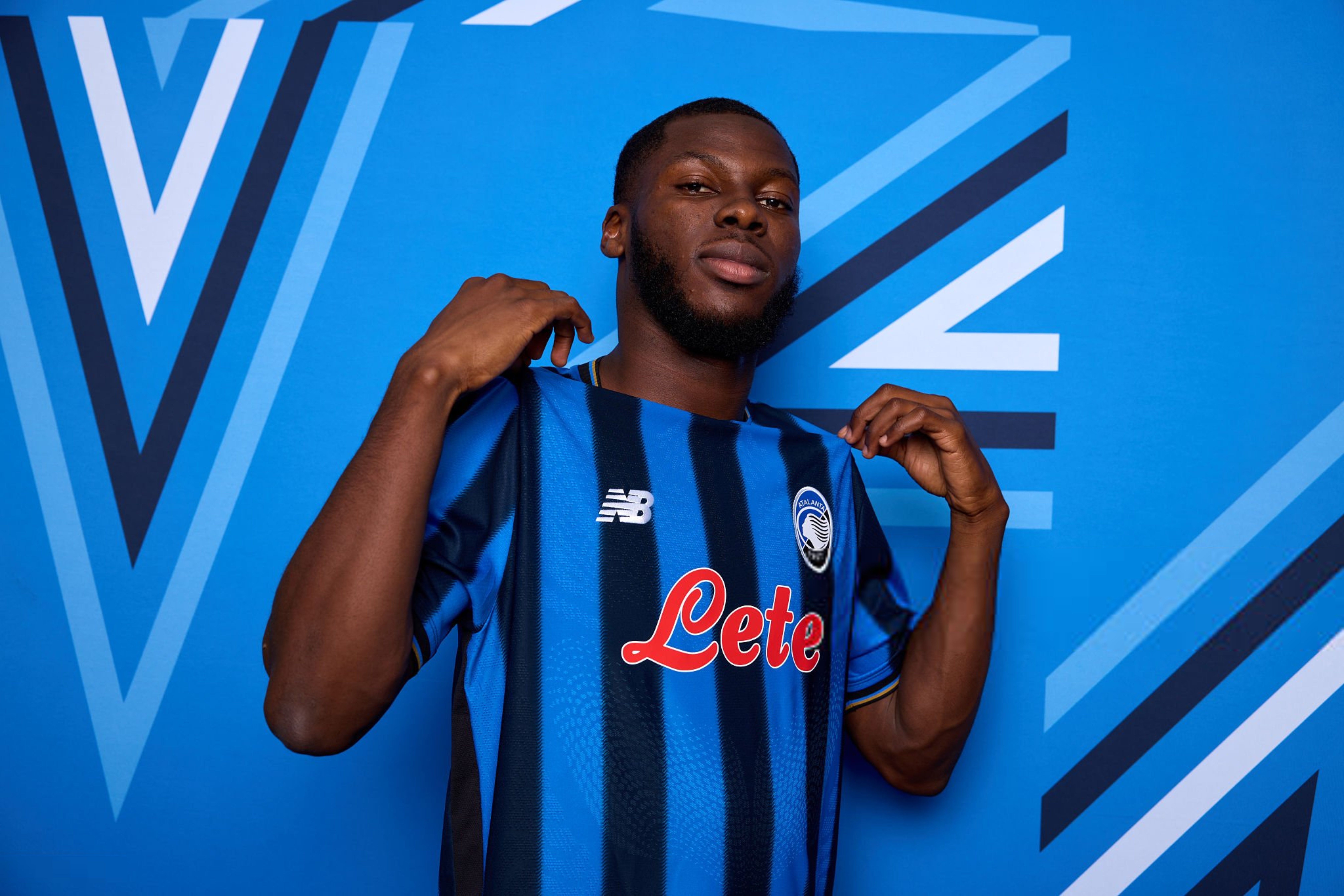
Yunus Musah:
A similar situation to Bennacer. In this case, there is no injury issue, but his time at Atalanta has not been convincing enough for them to consider activating the €26 million buy option. Musah will return to Milan and is very likely to move on again (though this could change if Loftus-Cheek leaves). At 23, he is still young enough to have a market. He arrived three years ago from Valencia for €20 million, and his value has already been well amortised which means that a capital gain would be possible.