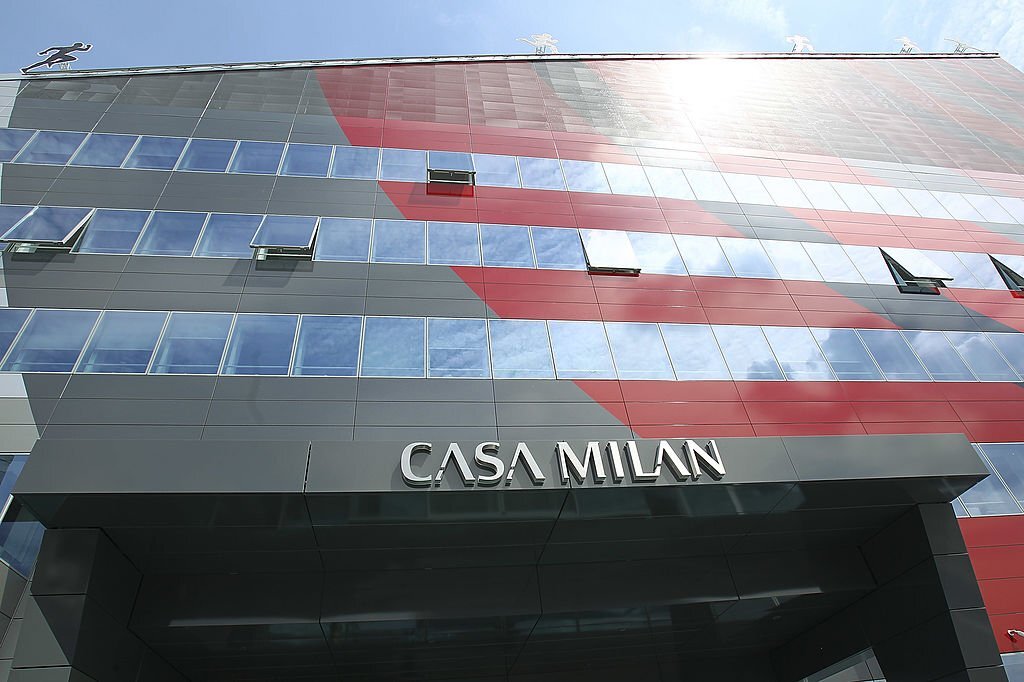

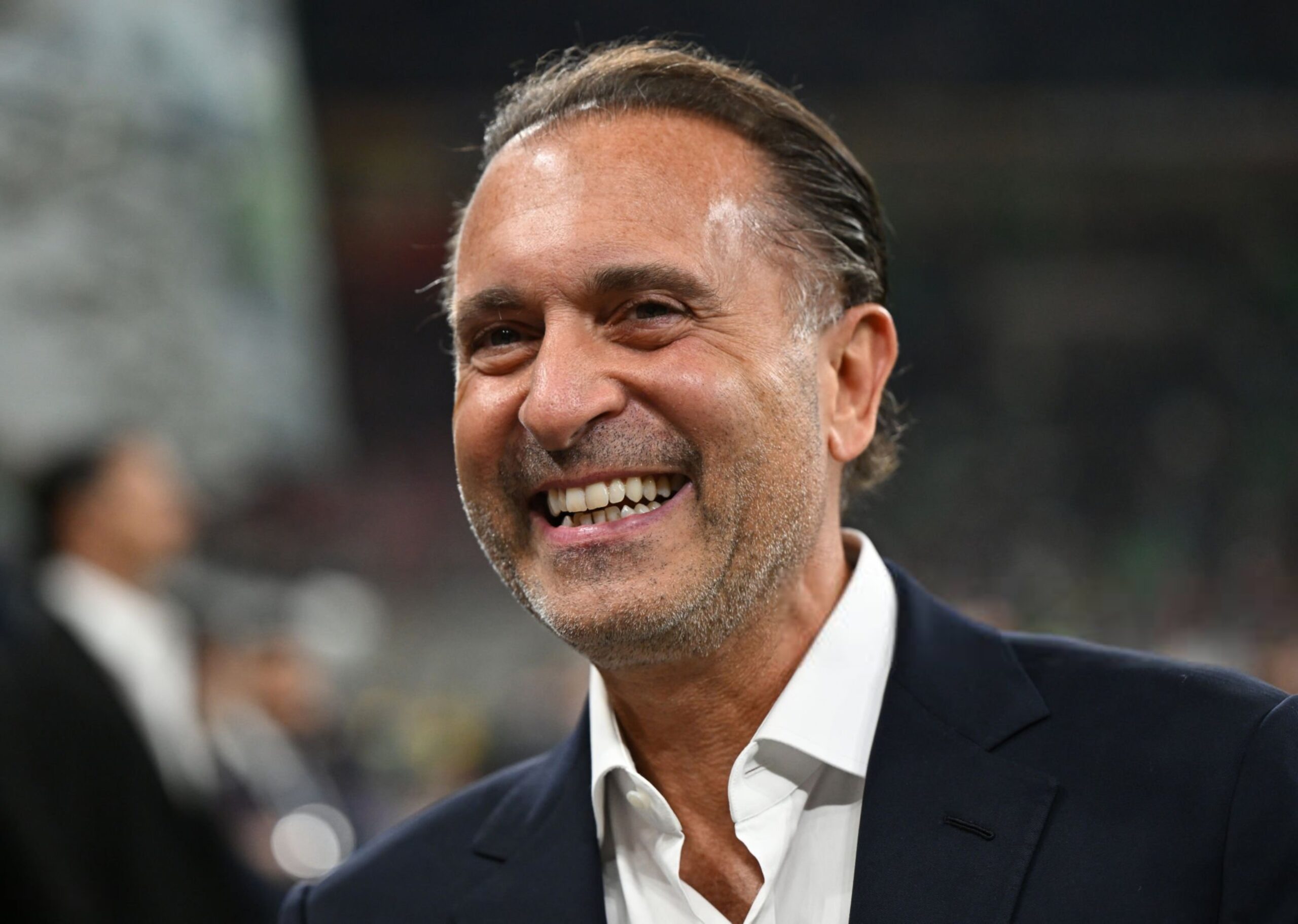
Milan institutional chaos, 1 June today. The club finds itself in a situation that, given its history, size and ambitions, is difficult to understand. It is not only about the results of the season just ended or the failure to qualify for the Champions League. The issue runs deeper and concerns the feeling of a project that, at least externally, still appears to lack a clear direction.
Less than three months before the start of the new league season, AC Milan has still not officially appointed a chief executive with sporting responsibilities, does not have an operational sporting director, and does not have a head coach. Three essential figures for planning the future of any football club. Three pieces that, under normal circumstances, should already be in place and working on building the next season.
There is a lot of work which awaitss the AC Milan club management. And while waiting for new developments and the new season, the Rossoneri fans based in Malaysia may turn to BK8 as their go-to online casino for entertainment.
Even during football matches, BK8 Malaysia could be a valuable resource to gain some important bonuses while watching their favourite team take on different challenges on the pitch.
Milan, there are names constantly changing:
What creates the greatest concern is not only the absence of decisions, but the process that should lead to them. In recent months, names of every kind have followed one another. Executives with completely different profiles and ideas. Coaches from opposing footballing schools. Young, innovative managers linked with more experienced and traditional figures.
The impression is that Milan is chasing hypotheses rather than following a defined strategy. The coaching situation is emblematic. For weeks, the name of Cesc Fàbregas was presented as the ideal profile to open a new cycle. A young, modern coach, associated with proactive football and aligned with the philosophy the club seemed to want to pursue. Then the picture changed. Or perhaps it was never truly defined. Andoni Iraola is no longer in consideration, Ralf Rangnick represents anything but a young progressive option, Vincenzo Italiano is waiting, and so on.
From that moment, different tracks have emerged, some even incompatible with each other from a technical and planning perspective. And when the candidates point to such distant ideas, an inevitable question arises: what is Milan’s real direction?
Milan institutional chaos: the Leao case and the most worrying signal
If the uncertainty at board level is concerning, the technical uncertainty risks becoming even heavier. Among the team’s symbols, Rafael Leao has said that he is attracted by new challenges and a possible transfer. In modern football, no player is untouchable, but when the talent meant to represent the face of the project looks elsewhere, the message cannot be ignored.
Leao is not only one of the best players in the squad. He is one of the few capable of generating excitement, attracting sponsors, and producing both technical and commercial value. If he were to seriously consider leaving, Milan would need to reflect deeply on the reasons that led to such a situation.
Top players stay when they perceive a credible project. When they see a strong club, a clear vision, and the prospect of competing at the highest level.
The silence from the leadership...
In this context, the position of Zlatan Ibrahimovic also comes into play. The Swede has been one of the most visible figures of the new Milan leadership, but today his role appears surrounded by uncertainty. While Milan is still trying to define its sporting structure, Ibrahimović is preparing to leave for commitments linked to the World Cup, inevitably leaving many questions open about the actual role he will have in the future organisational setup.
This is not about criticising a person or a choice. The issue is different: in such a delicate phase, the club would need clear and recognisable points of reference.
Milan's biggest risk:
The problem is not being late on 1 June. The problem is conveying the feeling of being late. Big clubs can make mistakes in decisions, change strategy, and adjust plans. That is part of football. What rarely happens is seeing a club of Milan’s size reach this stage of the season without the outlines of its future project being visible.
AC Milan supporters have accepted rebuilds, financial sacrifices, and changes of direction in recent years. What they struggle to accept is uncertainty. Without a chief executive, without a sporting director, and without a head coach, every discussion about transfers remains suspended. Every negotiation is inevitably slowed down. Every form of planning becomes more complicated.
Milan, swift decisions needed:
AC Milan remains one of the most important clubs in Europe. It has a strong ownership, a sustainable economic structure, and a global brand that few can match. For that very reason, the current situation appears even more surprising.
Rumours, names, and suggestions may fuel media debate for a few days. But real football is built on decisions. And today, at the beginning of June, what Milan lacks is not speculation. It is certainty. Supporters are waiting for answers. And in modern football, the time available for planning moves much faster than it seems.