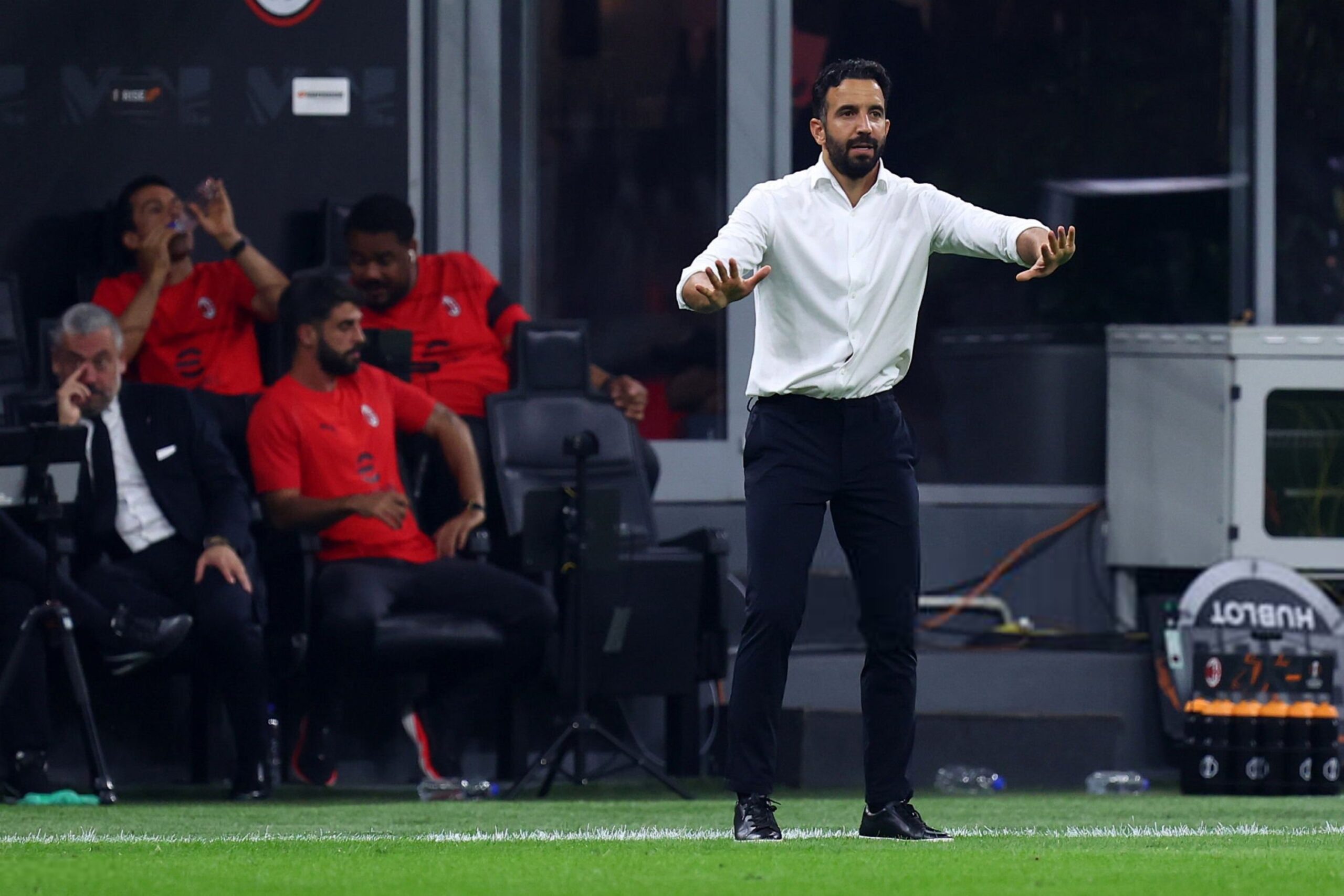

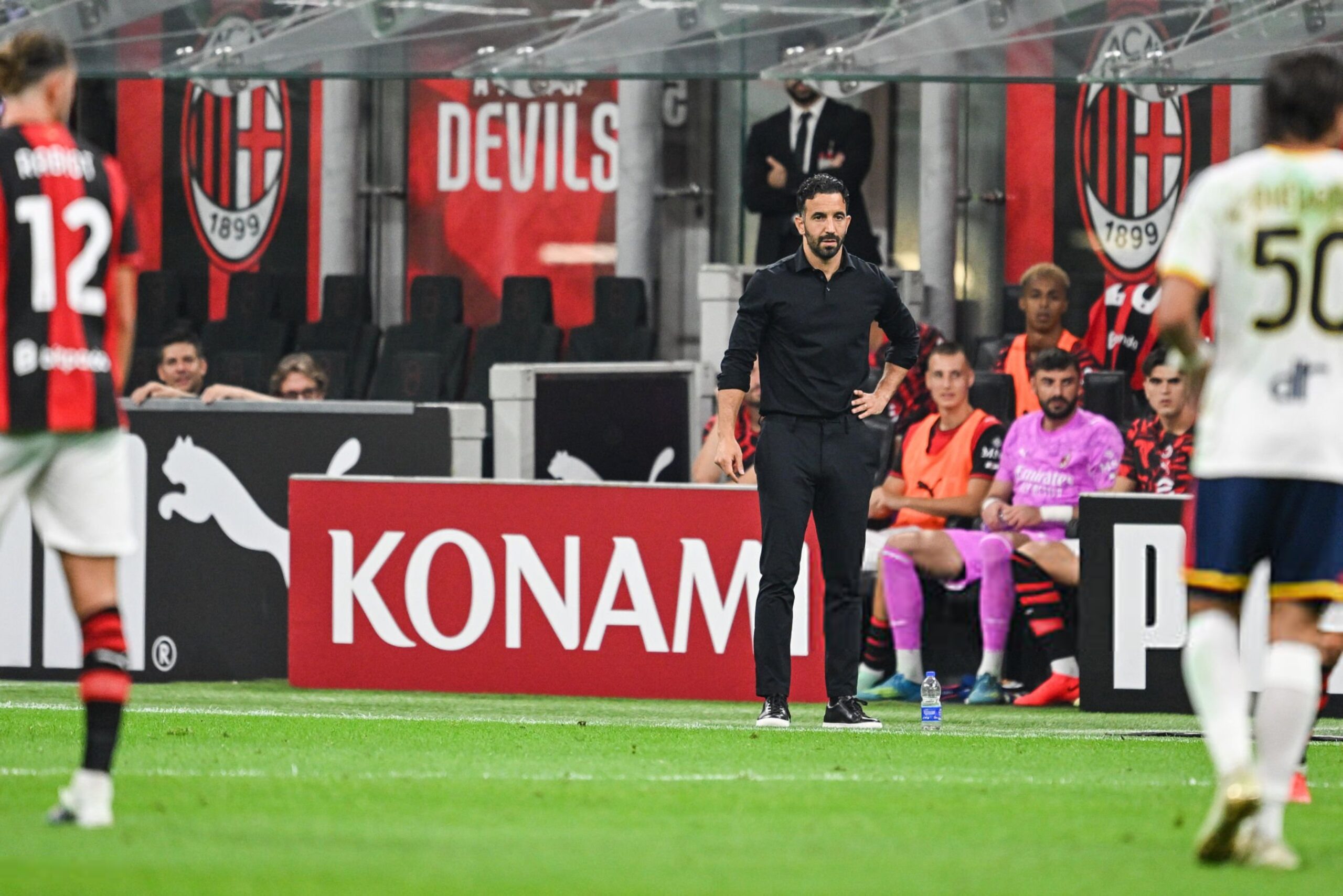
Milan’s start to the 2026-27 Serie A season under Rúben Amorim has been solid and convincing. With 11 points from their opening five matches, courtesy of three wins and two draws, the Rossoneri have shown a strong scoring rate and good defensive solidity. However, what has sparked debate among observers is not so much their domestic campaign, but rather their European slip-up, which prompted the first serious criticism of former Sporting Lisbon and Manchester United coach Amorim over his approach to squad rotation.
Milan's Serie A campaign and European setback
Milan’s league numbers point to a positive start so far. Wins over Torino, Venezia and Lecce, combined with away draws at difficult venues such as Juventus and Lazio, have yielded 10 goals scored and just four conceded. In the midst of a complete tactical overhaul, with the players still adapting to new systems, the Serie A results reflect positively on the Portuguese coach’s work, as per Pianeta Milan.
The major setback came in mid-September at San Siro in the Europa League, with a heavy 2-0 home defeat to Benfica. Amorim made sweeping changes to his starting XI, fielding too many second-string players and allowing the Portuguese side to claim a historic victory, as they had never previously beaten the Rossoneri either overall or in Milan. His handling of the match was considered by many to be too casual, inevitably sparking controversy.
Alfredo Pedullà criticises Amorim’s team selection
Among the strongest voices to comment on the coach’s decisions was well-known Italian sports journalist Alfredo Pedullà, who addressed the issue on his official YouTube channel, analysing the selection mistakes made against Benfica.
"I criticised Amorim, but I criticised Amorim because anyone would have criticised him for the team he fielded against Benfica. Amorim should have given that match a different consideration, picked a different team and approached it differently, which he then corrected,” he said.
Pedullà then explained his analysis in greater detail, highlighting the initial omission of several key players from the Rossoneri set-up: "For example, I was wondering why Christian Pulisic had to be left out, why Adrien Rabiot had to come on in the 70th minute, and why he played Filippo Terracciano. But not to the point of calling for anyone’s head, rather simply to make some normal observations about situations that were not working," he concluded.