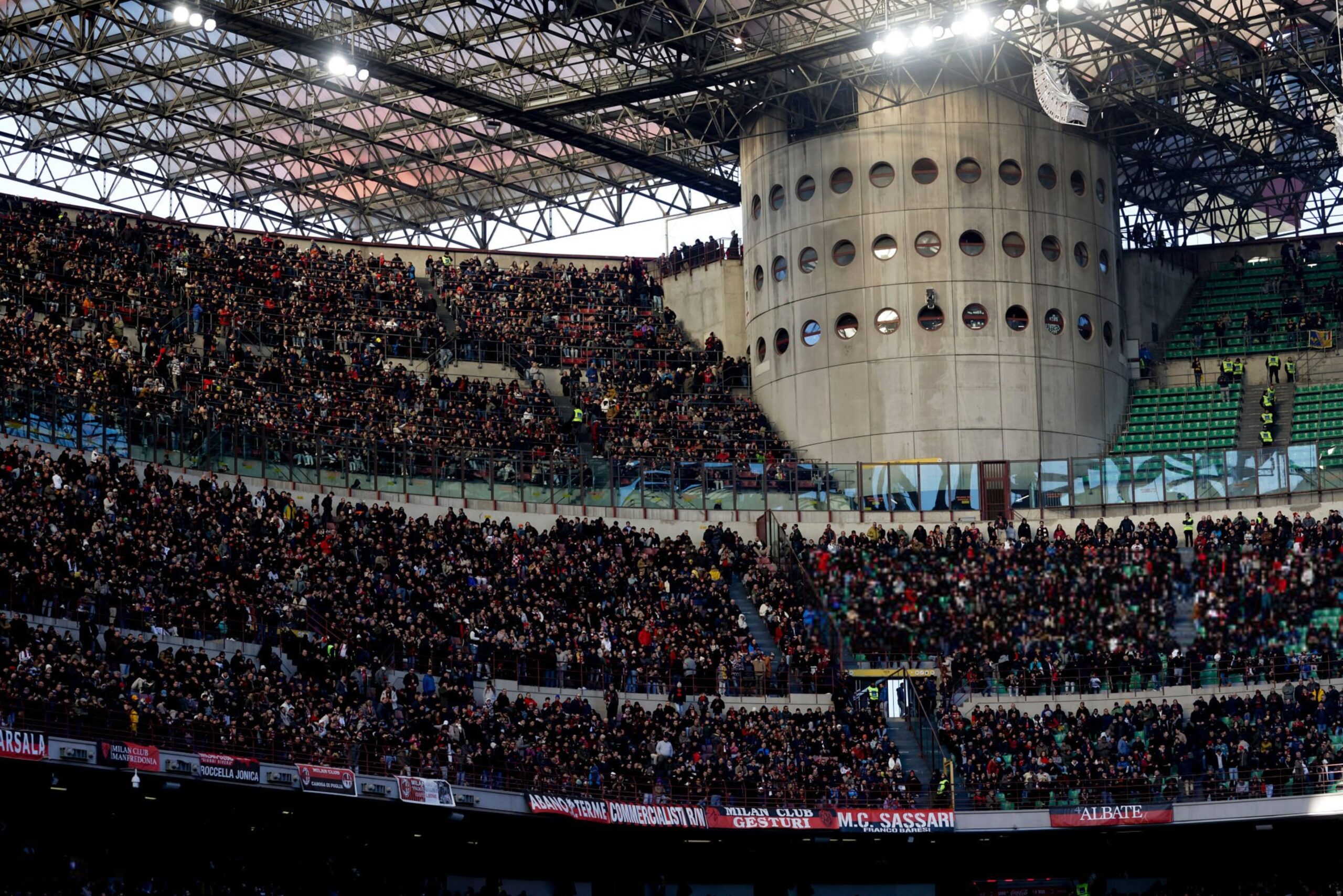

When AC Milan kick off a Sunday night game at San Siro, it is already early Monday morning in Jakarta, Kuala Lumpur, and Manila. That has never stopped people from watching. Across Southeast Asia, you will find Milan shirts at night markets, fan club banners in coffee shops, and group chats that come alive at 3:45 am when Rafael Leão breaks down the left.
The club itself describes Indonesia as home to its third-largest fanbase in the world, and the region's attachment to the Rossoneri goes back more than three decades. It was built on timing, television, unforgettable players, and fan communities that kept the bond alive even when results didn't.
Serie A Arrived at the Perfect Moment
Milan's popularity in Southeast Asia starts with timing. Italian football was the world's strongest league when many fans in the region first got to watch European football every week. In Indonesia, RCTI became the first station to broadcast Serie A in the 1990s, and the league quickly became part of pop culture, from posters and jerseys to late-night screenings at roadside coffee stalls.
Milan were the team of that era. Arrigo Sacchi's side won back-to-back European Cups in 1989 and 1990, and Fabio Capello's Milan crushed Barcelona 4-0 in the 1994 final. For a young fan choosing a club from more than 10,000 kilometers away, the side that kept winning in Europe was an easy choice.
Players Who Became Household Names
Trophies attract attention, but players create loyalty. Milan had an almost unbroken line of icons for two decades: Marco van Basten, Franco Baresi and Paolo Maldini in the early years, then Andriy Shevchenko, Andrea Pirlo, Clarence Seedorf and Kaká in the 2000s.
A whole generation in the region grew up with Maldini as the model defender. Shevchenko won the Ballon d'Or in 2004, and Kaká followed in 2007, the same year Milan beat Liverpool in Athens to lift their seventh European Cup. That success kept a second generation of fans hooked, even as the Premier League grew louder on Asian television.
Fan Clubs That Turned Support Into Community
The Milan following in Southeast Asia is organized, not just casual. Milanisti Indonesia has local chapters across the country, from Jakarta to cities like Padang, and its group screenings often feel closer to a matchday in Milan than a night in front of the TV.
The club has noticed. In November 2022, the AC Milan Trophy Tour stopped in Singapore and Jakarta, with club legend Daniele Massaro bringing the 2021/22 Scudetto trophy to meet local fans. In Jakarta, Milanisti Indonesia co-hosted a screening of Milan vs Fiorentina at the Hotel Borobudur.
That visit also showed the relationship runs both ways. It came weeks after the Kanjuruhan Stadium disaster, which killed more than 130 people, and the club and fan club used the event to raise money for the victims.
Following the Rossoneri From Malaysia
Malaysia has its own strong Milan streak. Tunku Ismail Sultan Ibrahim, the owner of Johor Darul Ta'zim, has said he has followed Milan since childhood and that if he ever invested in a European club, it would be Milan.
Supporting the club from this part of the world still takes commitment. A 20:45 kickoff in Italy lands at 3:45 am in Kuala Lumpur during the winter months, and Europa League nights this season are no kinder. Fans adapt with group screenings, alarms set for the second half and highlights on the way to work.
Matchday habits have changed too. Many fans now follow team news, form guides and odds in the build-up to a big game, and for those who like to compare markets on Serie A and Europa League fixtures, malaysiabettingsites.com covers Italian football with a Malaysian audience in mind.
Milan Keeps Coming Back to the Region
Club visits have kept the connection personal. Milan's legends team toured Southeast Asia in 2011 and 2013, and in August 2026, the first team returned to Indonesia for the first time since 1994. Ruben Amorim's side faced Chelsea at the Gelora Bung Karno Stadium in the Indonesia Super Cup, and while the result was a 3-0 defeat, the stands told a different story.
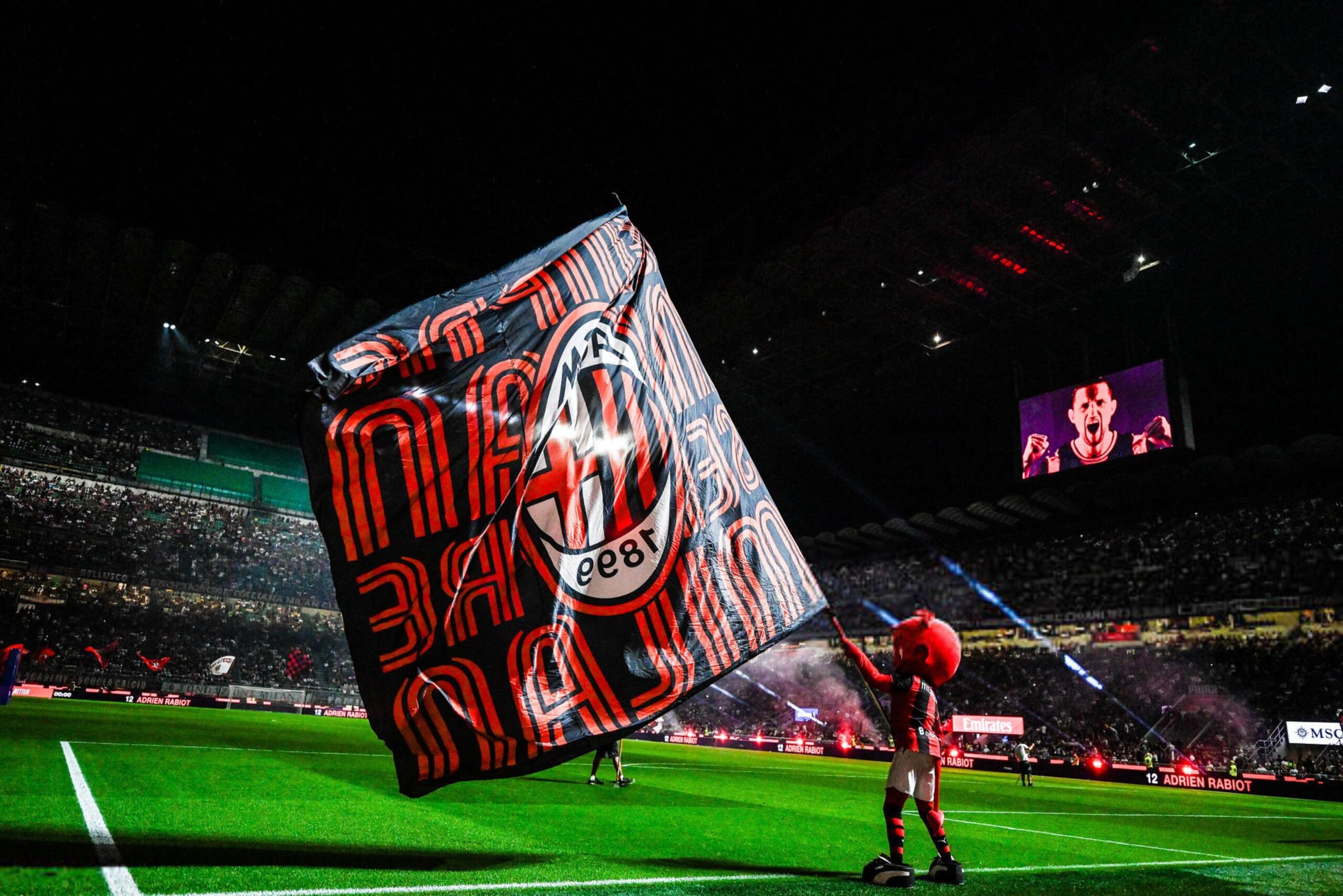
Milanisti Indonesia unfurled a huge tifo featuring Il Diavolo, alongside banners marking 1994 and 2026. The night before, around 180 fans packed into the stands just to watch the team's final training session. Both Amorim and Chelsea coach Xabi Alonso praised the atmosphere afterward, and for a preseason friendly in Jakarta, it felt a lot like San Siro.
Why the Connection Lasts Through Hard Times
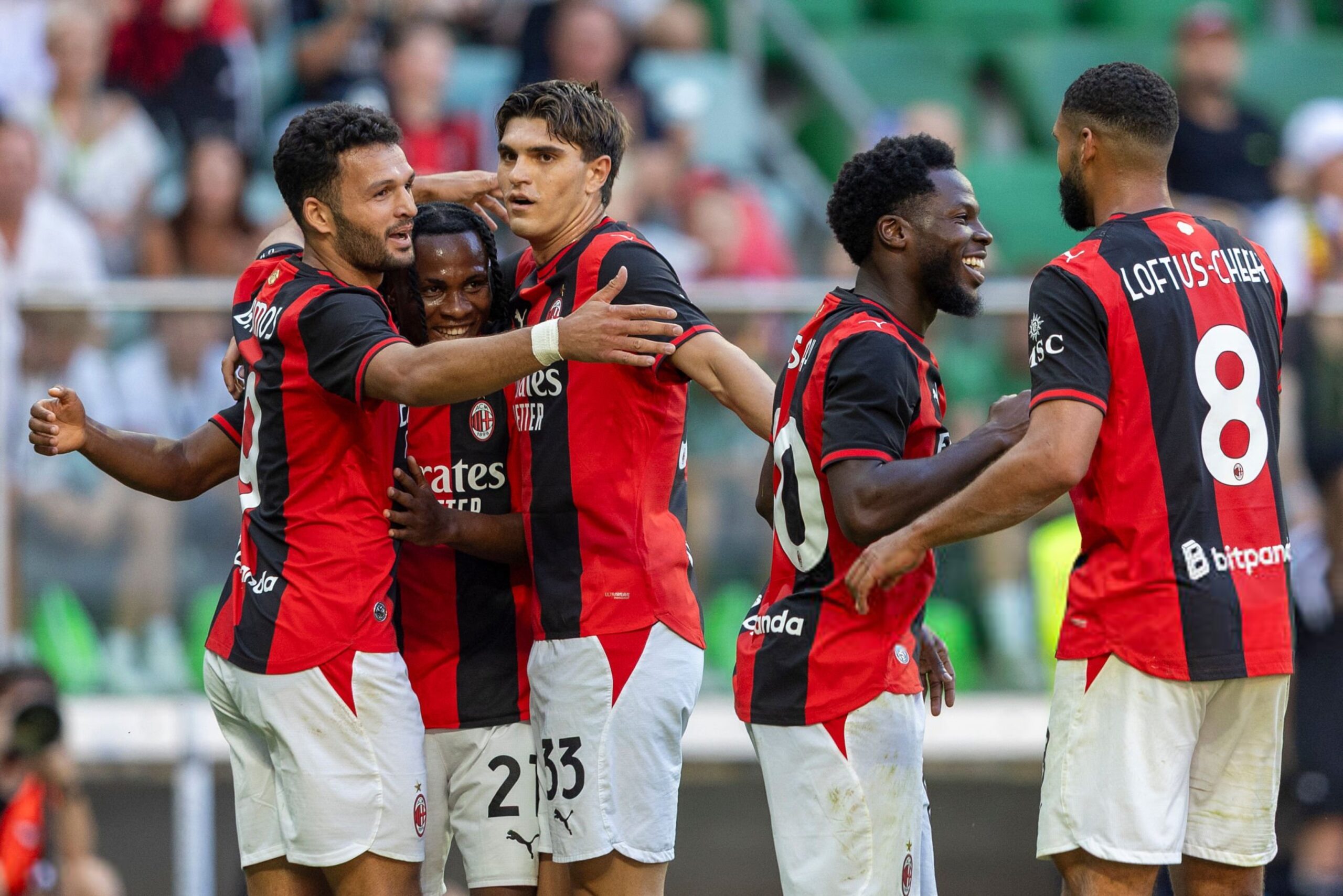
Milan have had difficult spells since their last Champions League title in 2007, including several seasons outside Europe's top competition. The Southeast Asian fanbase did not disappear. Clubs that win fans through one great season often lose them when the trophies stop, but Milan built their following over two decades, through players people still talk about and fan clubs that turned support into community. Amorim's first season has given fans plenty to talk about, from the club-record signing of Gonçalo Ramos to a squad that mixes Luka Modrić's experience with Leão's pace. Whether or not this is the year Milan return to the top, the alarms will keep going off across the region in the early hours, and the shirts will keep showing up at the night markets.