
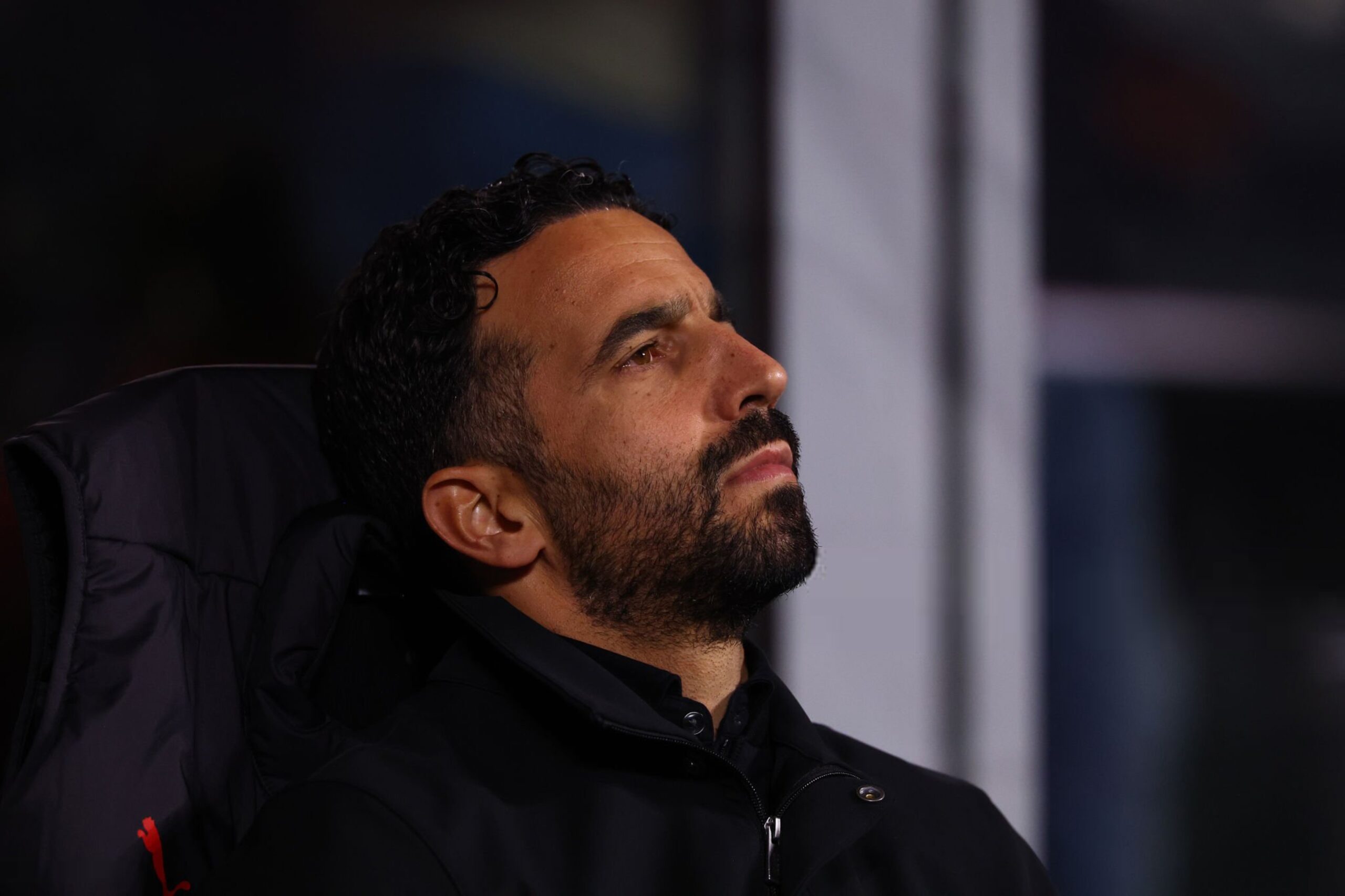
Milan and the squad building issue:
With matches every three days due to the two competitions they have to compete in, hopefully throughout the entire season, Milan’s rollercoaster is becoming difficult to stomach. The kind where, yes, going back and forth, first up and then down, then backwards and forwards, then down and up, up and down, up and down, makes your head spin terribly.
The reason is quite clear: the squad is too limited, or short, to stick with the song’s lyrics, to be competitive every three days in both the league and the Europa League. Objectively, it is limited in quantity and poor in quality, especially when it comes to the alternatives.
It is therefore no coincidence that Milan struggles to stay on an even keel for more than two consecutive matches. With fixtures so close together, especially when the level of the opposition rises (Bournemouth and Bologna are clearly stronger and better organised than Salzburg and Udinese), the limitations of the squad and the quality of the players come to the fore. Everything has clearly been made worse by the many injuries and the need, I thought for a moment before using this term, but this subject deserves a separate in-depth discussion, to deploy players out of position to make up for the absences.
Milan, Amorim needs help from the transfer market
As I personally already wrote after Bournemouth, it will take at least a couple of transfer windows to more or less sort out the squad situation, giving Amorim the right players for his ideas and for all the matches they have to face, writes Milan News.
However, it is equally true that more should have been done in the summer. Many people, including myself, our editorial team and colleagues from other publications, had already publicly highlighted to those directly involved during the summer the need to support the coach in transfer market decisions. First of all, for example, by appointing a football executive who could discuss both individual and general strategies with him.
Because the coach must coach, not act as the sporting director. And this is not an ‘Italian way of doing things’, an expression often used in a derogatory manner, but one that is employed in every league and by every club, including the Premier League. Naturally, this applies only when referring to football, since comparisons with any other sport should not be taken into account.
The key now is to face reality: while trying to get the injured players back, Milan must hold on until January, when, according to Cardinale’s promise, some initial reinforcements will arrive.
The important thing is that all this comes to fruition and that mistakes in assessment are kept to an absolute minimum, from the absurd decisions to keep Estupinan and Loftus-Cheek, to choosing Camarda as Gonçalo Ramos’ only deputy, as well as the decision not to sign another high-level centre-back. Perhaps this could be achieved with the help of a football executive working alongside Amorim. Because, despite everything, he continues to deserve time, trust and support.