
Eleven matchdays into Ruben Amorim’s first season, AC Milan sit fourth in Serie A, have beaten Inter in the derby and boast a Christian Pulisic in the form of his Rossoneri career. Yet only a week ago the same side was beaten 2-0 at San Siro by Ferencváros in the Europa League. As the international break gives everyone a chance to breathe, it is a good moment to look at the numbers behind one of the most unpredictable Milan teams in years.
A summer reset after a painful finish
Amorim’s project began in the shadow of last season. A late collapse in 2025-26 left Milan fifth, outside the Champions League places, and cost Massimiliano Allegri his job. Gerry Cardinale’s ownership described the campaign as an unequivocal failure, and Amorim arrived on a two-year contract with a clear brief to rebuild a team that had scored just 53 league goals, with Rafael Leão the top scorer on only nine.
The response was emphatic. Amorim’s first signing was Portugal striker Gonçalo Ramos from Paris Saint-Germain, completed while the player was at the World Cup. Italian reports put the fee at around €74 million, rising towards €90 million with bonuses, comfortably beating the €49.5 million Milan paid Lille for Leão in 2019. Ramos signed until June 2031, bringing with him two Champions League winner’s medals and 45 goals in 131 PSG appearances, many of them from the bench.
The Ramos question
No subject fills the Milan columns quite like Ramos. He opened his account against Venezia in August, but by early November he had only three goals from 13 matches under Amorim, and one of those was a penalty. In the Ferencváros defeat he failed to register a shot on target and was withdrawn at half-time.
The underlying numbers tell a more complicated story. Ramos regularly covers around 10 km a game and ranks among Serie A’s leading strikers for touches, duels, interceptions and ball recoveries, yet he takes fewer shots than most of his peers. After the win in Genoa, Amorim argued that the team is not yet helping Ramos as much as Ramos is helping the team. According to La Gazzetta dello Sport, Milan are already considering Nicolò Tresoldi as a January addition to share the load up front.
Pulisic, Moreira and a ruthless streak
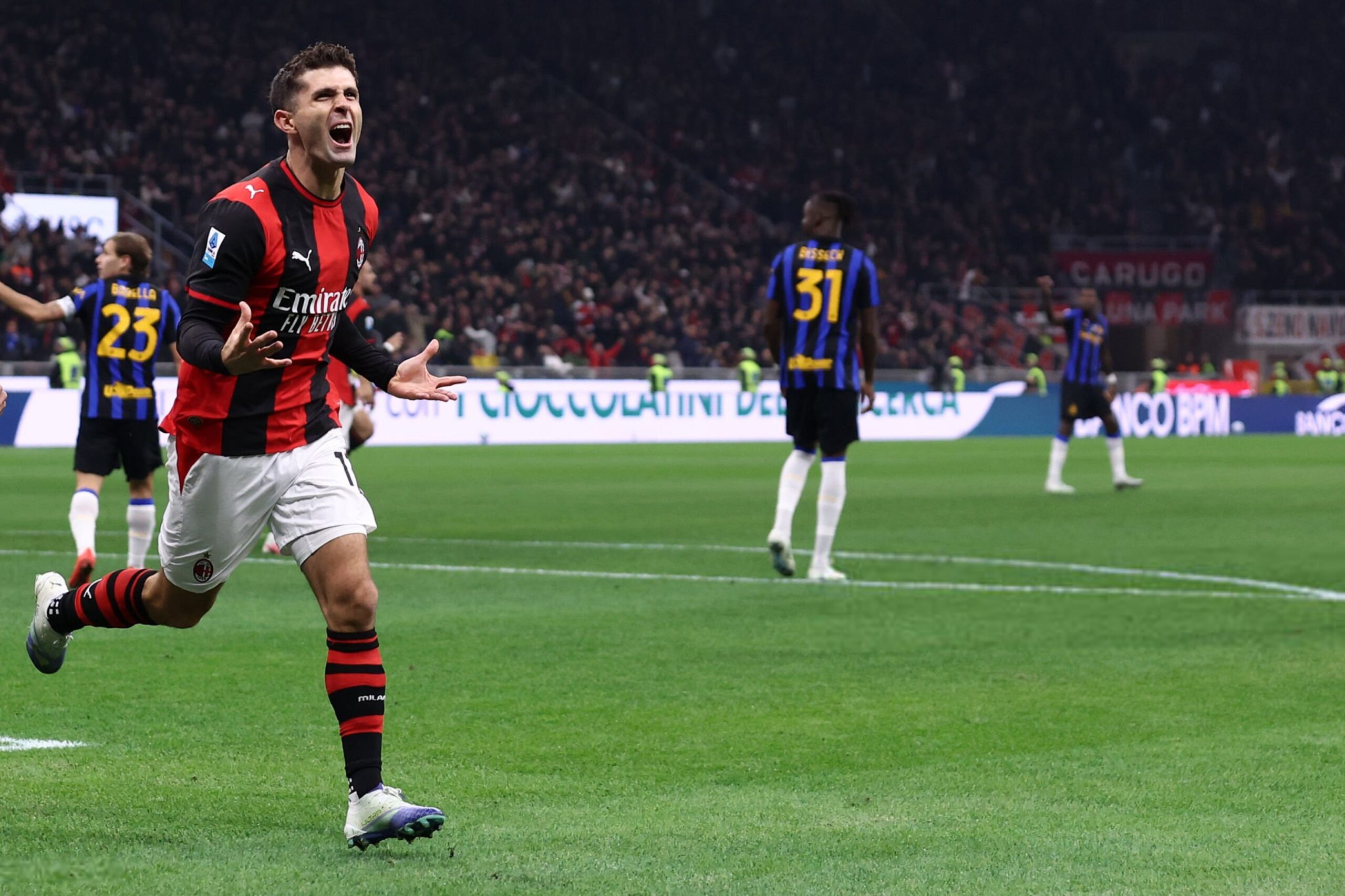
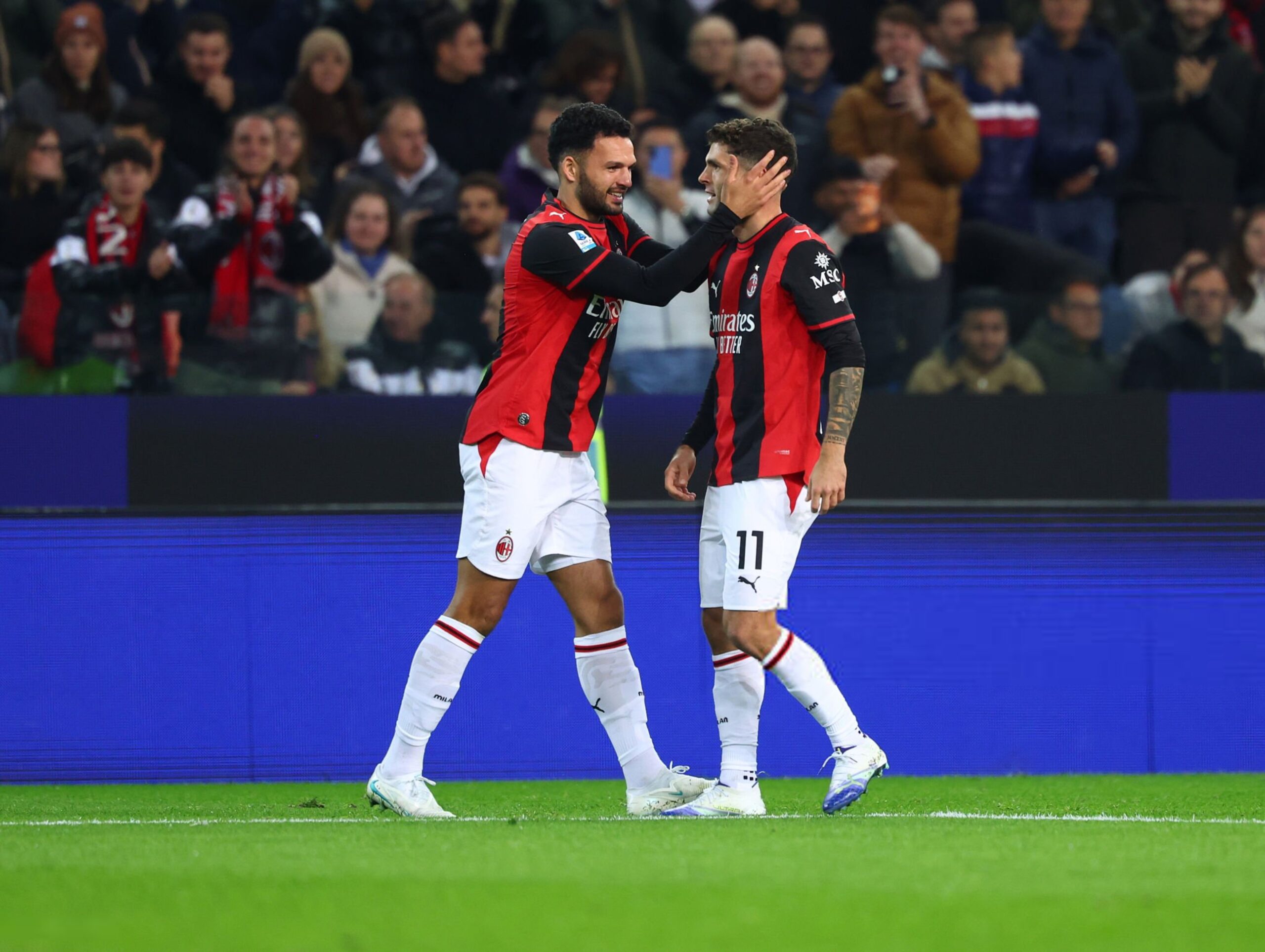
While Ramos works for the side, others have taken the goals. Pulisic’s strike at Genoa was his third in his last three Serie A starts, and the American once again looks like Milan’s most reliable source of end product. Diego Moreira has been the surprise package: his brace rescued a point against Lazio in September, and he scored three times in his first 127 Serie A minutes for the club.
Milan have also been remarkably clinical. Across the Bologna defeat and the derby win, they managed seven shots on target and scored from five of them, a conversion rate above 70%. That efficiency is impressive, but it is also the sort of figure that rarely lasts, which is exactly why Amorim wants more chances created rather than relying on a hot streak.
A derby to remember, then a reality check
The derby at San Siro was the high point of the season so far. Pulisic, Adrien Rabiot and Moreira scored in a 3-1 win, Moreira’s curling left-footed free-kick from around 20 yards killing off any Inter comeback and handing Cristian Chivu’s side their first league defeat of the campaign. The experience of Rabiot and Luka Modrić in midfield was crucial when Inter pushed forward after the break.
Days later came the shock. Ferencváros won 2-0 in Milan, leaving the Rossoneri with three points from four Europa League games, and a visibly frustrated Amorim said there were no excuses while questioning his own choices. To their credit, the players responded at Genoa: Alphadjo Cissè and Pulisic both scored from high turnovers in the first half, and the 2-1 win lifted Milan to fourth.
Reading a fixture through the numbers
Supporters today follow Milan through far more than the scoreline, from expected goals and pressing data to shot maps and pre-match prices. Some fans compare how a game such as Milan v Frosinone is priced on platforms offering crypto sports betting with what then happens on the pitch, as a way of testing their own reading of Amorim’s team. If this autumn proves anything, it is that no model foresaw a home defeat to Ferencváros days after beating Inter. Anyone who chooses to bet should be over 18, treat it purely as entertainment, set firm limits and remember that cryptocurrency values can move sharply on their own, regardless of any result.
What comes next
The international break offers Amorim time to work on a long injury list, with Fikayo Tomori expected back for Frosinone’s visit to San Siro on 22 November or shortly after. A trip to Cagliari and the visit of Parma follow, before a demanding away game at Napoli on 13 December. In Europe, Milan need points from their remaining four league-phase matches to stay in the hunt for the knockout rounds.
The January window looms large too. Whether Milan add a second striker such as Tresoldi, or whether Ramos finally finds his scoring touch, may decide how far this season goes.
Conclusion
Amorim’s Milan are a team of contrasts: ruthless against Inter, flat against Ferencváros, dependent on Pulisic’s goals while their record signing searches for his. The numbers help explain the story, from Ramos’s workload to that unsustainable conversion rate, but they cannot predict the next twist. For Rossoneri fans, that unpredictability remains the best part of following the club.