
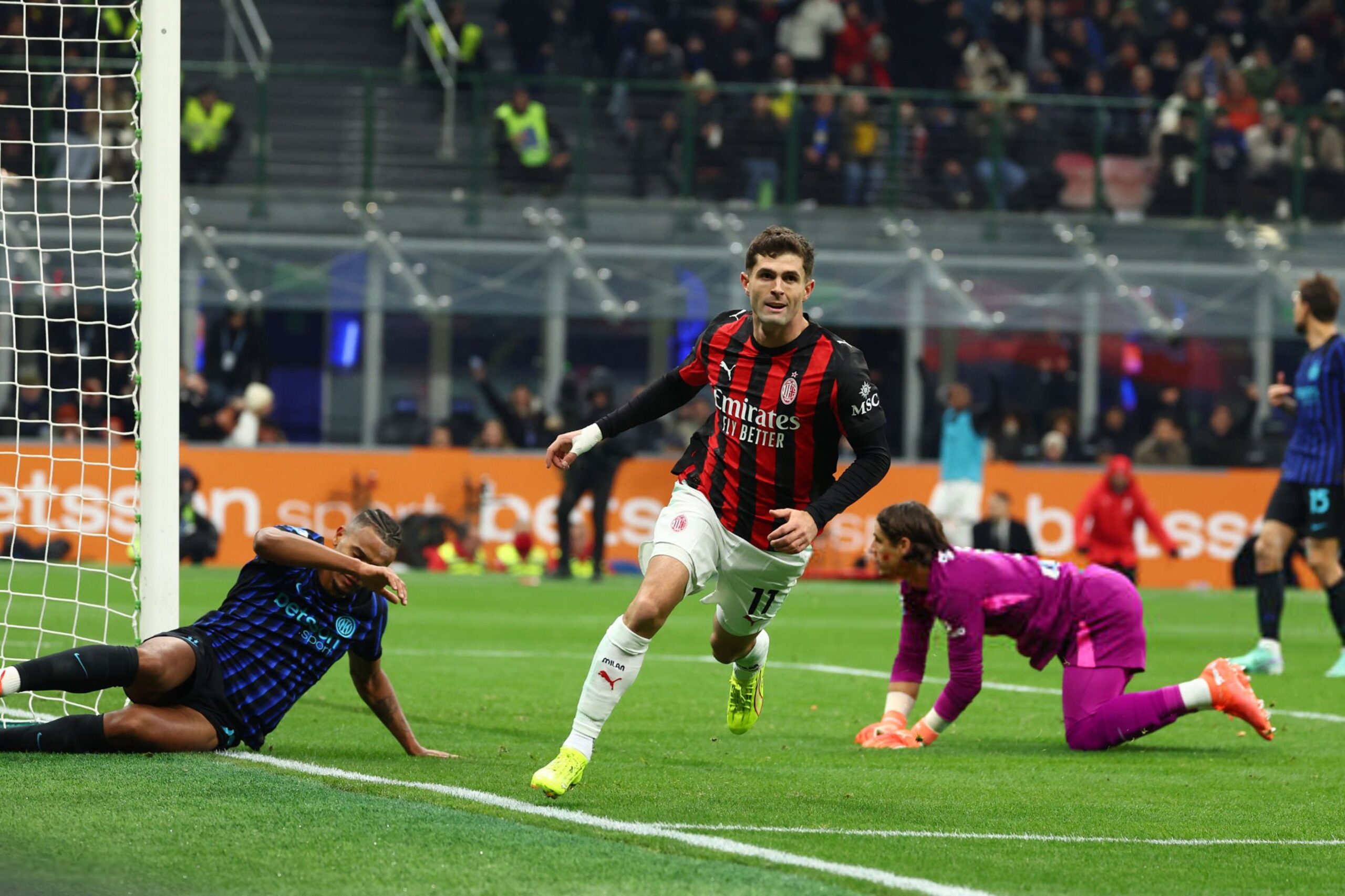
Few rivalries in world football carry the emotional intensity, historical weight, and tactical intrigue of the Derby della Madonnina. When AC Milan and Inter share the San Siro, it is more than a match, it is a battle for identity within one city. Across decades, Milan’s most iconic derby victories have not only delivered silverware and bragging rights but also revealed the hidden mechanics behind high-stakes success.
Modern fans analyze derby momentum with the same attention they give strategic platforms like Lemoncasino, searching for patterns, risk management, and decisive turning points. Yet the true secrets behind Milan’s greatest derby wins lie deeper, in preparation, psychology, and the ability to dictate tempo when pressure peaks.
The psychological edge in high-stakes derbies:
Derbies are rarely decided by talent alone. Emotional control and mental discipline often separate victory from collapse. Milan’s most memorable triumphs over Inter were built on calculated composure rather than uncontrolled aggression.
Before examining specific matches, it is important to understand how Milan historically approached derby week. Veterans often described the buildup as a chess match of narratives, media pressure, tactical leaks, and psychological gamesmanship.
The 2003 Champions League semi-final:
Few derby victories carried stakes as high as the 2003 UEFA Champions League semi-final, when Milan and Inter met on Europe’s grandest stage. The tie was decided on away goals after a 1–1 aggregate draw, with Andriy Shevchenko and Obafemi Martins finding the net across two legs.
Milan’s advantage was not explosive dominance but structural patience. instructed his midfield trio to compress central space, forcing Inter wide and neutralizing their vertical runs. The Rossoneri played with discipline, absorbing pressure and striking selectively.
What made this victory iconic was not the scoreline but the environment: two Milanese clubs fighting for continental supremacy in the same stadium. Milan’s psychological calm under European scrutiny proved decisive.
The 2004 Serie A statement win:
In 2004, Milan delivered one of the most convincing derby performances of the early 2000s. Winning 3–2 in a high-tempo clash, the Rossoneri showcased their attacking fluidity through Kaká’s acceleration and Shevchenko’s clinical finishing.
This victory revealed another secret: Milan’s ability to switch gears mid-match. After conceding momentum briefly, the team increased pressing intensity and exploited Inter’s defensive hesitation. Tactical flexibility, particularly quick transitions through the midfield, shifted the match’s rhythm decisively.
Tactical intelligence - How Milan controlled the chaos:
Derbies often descend into chaos, but Milan’s most iconic wins were built on structure. Rather than matching Inter’s aggression, Milan frequently imposed measured control.
Before diving deeper into tactical patterns, consider how Milan’s formations evolved over different eras. From Arrigo Sacchi’s pressing blueprint to Ancelotti’s balanced diamond, structural discipline consistently underpinned derby success.
Midfield supremacy in the 2011 title race:
During the 2010–11 Serie A campaign, Milan defeated Inter 3–0 in a match that symbolized a power shift. Zlatan Ibrahimović scored early, and the Rossoneri controlled possession throughout.
The secret here was midfield spacing. Mark van Bommel anchored transitions, Clarence Seedorf orchestrated tempo, and Robinho’s off-ball movement stretched defensive lines. Milan neutralized Inter’s counterattacks by maintaining positional balance, always leaving cover behind advancing fullbacks.
That match was less about emotional revenge and more about structural dominance.
The 2022 Scudetto surge:
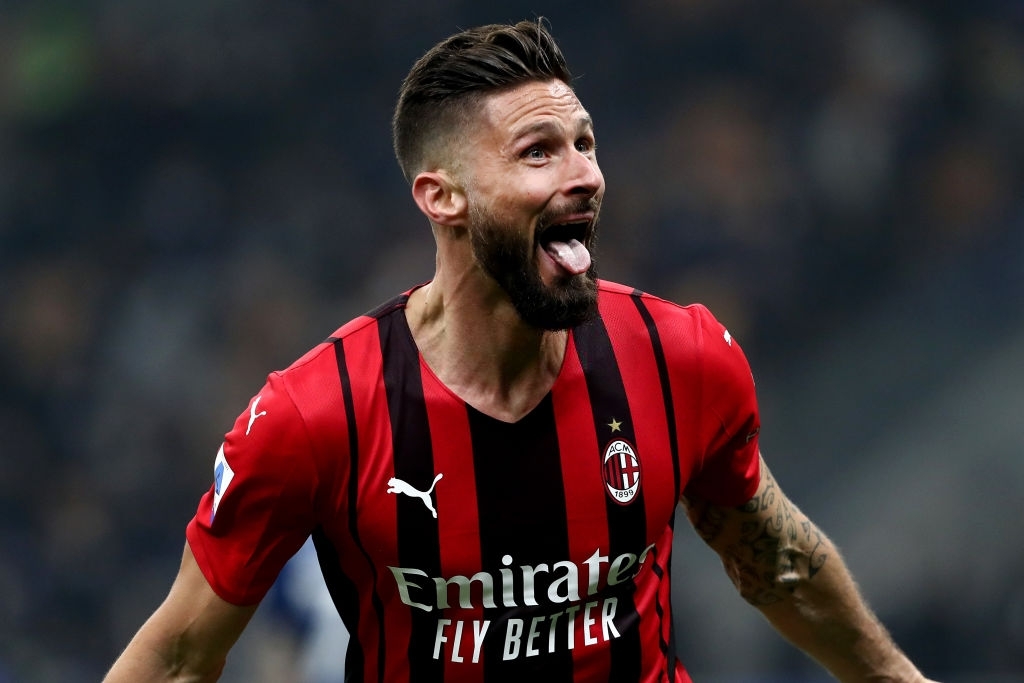
In February 2022, Milan’s 2–1 comeback win over Inter reignited the Scudetto race. Olivier Giroud scored twice in the second half, overturning a first-half deficit.
The victory highlighted modern Milan’s pressing triggers. Stefano Pioli adjusted the defensive line height and encouraged aggressive ball recoveries in central zones. Once Inter’s midfield lost fluidity, Milan accelerated vertically.
The comeback was not accidental. It followed a calculated halftime recalibration, proving that even in contemporary high-speed football, tactical adjustments remain fundamental.
Leadership - The invisible factor:
While tactics matter, leadership has often been the invisible thread connecting Milan’s derby victories across generations. Captains and veterans stabilized emotions when matches threatened to spiral.
Across different eras, AC Milan's leaders shared several defining traits:
- Emotional restraint under provocation
- Clear communication during defensive transitions
- Responsibility in decisive moments
From Paolo Maldini's composure to Zlatan Ibrahimovic's commanding presence, leadership anchored the squad when intensity peaked.
The atmosphere of the San Siro:
No discussion of iconic derby victories is complete without acknowledging the San Siro’s atmosphere. The stadium amplifies every pass, every tackle, every mistake.
Before exploring how atmosphere influences outcomes, it is essential to understand that derby tension can either empower or destabilize a team.
Crowd energy as momentum catalyst:
During historic wins, Milan often harnessed crowd surges at critical moments. Early goals ignited momentum waves that pressured Inter into hurried decisions.
In matches like the 2011 demolition and the 2022 comeback, the Rossoneri fed off synchronized chants and visual choreography from the Curva Sud. Emotional synchronization between players and supporters intensified pressing sequences.
Managing hostile phases:
However, iconic derby victories also required managing hostile periods, moments when Inter dominated possession or threatened equalizers. Milan’s resilience in these phases distinguished routine wins from legendary ones.
By slowing tempo, recycling possession, and drawing fouls strategically, Milan defused potential momentum swings. Game management proved just as vital as attacking flair.
Why these victories endure:
Milan’s most iconic derby triumphs endure because they represent more than local dominance. They symbolize evolution within rivalry.
Each era introduced new tactical frameworks, new leaders, and new pressures. Yet common secrets remained consistent: emotional control, structural discipline, and the ability to adapt mid-match.
In a rivalry defined by passion, Milan’s greatest derby victories were often defined by restraint. They were not reckless displays of aggression but carefully executed performances under extreme scrutiny.
The Derby della Madonnina continues to evolve. Players change, managers rotate, and football modernizes. But the blueprint behind Milan’s iconic derby wins (psychological clarity, tactical intelligence, and leadership) remains timeless.
That is the enduring secret behind the Rossoneri's most unforgettable derby nights.