
By 2025, Milan stands as a rare case in European football: a historic club that moves into stable profit without downgrading ambitions. Instead of chasing short-term headlines with reckless contracts, the strategy focuses on structure, data and identity. The result is a competitive squad, a healthier balance sheet and a model that attracts attention across the industry.
Supporters and analysts track Milan's numbers with the same curiosity usually reserved for odds, tools and market dashboards on platforms like https://myspinfin-uk.com, treating each financial report as another performance indicator. In this landscape, profitability is not a defensive measure. It becomes part of the sporting project, a way to stay agile in a market dominated by state-backed and hyper-funded rivals.
From chaos to controlled growth:
Milan's recovery story rests on discipline. Wage inflation is kept under supervision, with clear internal structures that prevent emotional overspending after isolated successes. Renewals follow planning, not panic. Transfer operations aim for value creation instead of opportunistic splashes that disrupt the dressing room and the budget.
Commercial power grows in parallel. Strategic partners are chosen for long-term fit; regional deals in key markets, modern merchandising and digital content streams generate recurring income. Champions League participation is no longer treated as the only lifeline but as an amplifier within a stable ecosystem.
The pillars of a sustainable Milan
Core elements behind the profitable rebuild
- Smart wage hierarchy that rewards impact but keeps overall flexibility
- Investments in scouting, data and analytics to spot undervalued players early
- Patient trust in a sporting department structure with clear responsibilities
- Continuous stadium matchday optimization, hospitality and global fan offers
- Brand strategy that protects Milan's identity while speaking to new generations
This framework reduces dependence on one-off sales or desperate qualifying runs. Profitability becomes repeatable, not accidental. The club demonstrates that heritage brands can modernize without losing character.
Competing in a ruthless transfer landscape
Despite financial restraint, Milan remains active in the market. The approach shifts from chasing superstars at peak cost to anticipating the next wave: profiles with upside, resale value and tactical versatility. Negotiations focus on clauses, amortization and exit scenarios that preserve control.
A key advantage lies in credibility. Clear strategy, regular European football and defined roles make Milan an attractive destination. Agents and players understand the environment: professional, ambitious, not chaotic. This intangible value often narrows the gap when salary packages cannot match state-backed offers.
Smart recruitment instead of reckless gambling
Milan's transfer team operates with a portfolio mindset, spreading risk instead of committing to one high-variance move. The squad is built with overlapping age groups to avoid complete rebuild cycles that drain resources and momentum.
Strategic recruitment choices that protect competitiveness
- Targeting emerging leaders before their price spikes in elite auctions
- Identifying flexible players who can cover multiple roles across a season
- Prioritizing strong injury records and mentality to reduce hidden costs
- Using loans, options and structured deals to test fits with limited downside
- Selling at the right time, before decline curves erode value
This approach might lack the shock factor of blockbuster deals, but creates depth, continuity and space for tactical evolution. On-pitch performance benefits from a squad that feels assembled with logic, not impulse.
Stadium, brand and digital era revenue
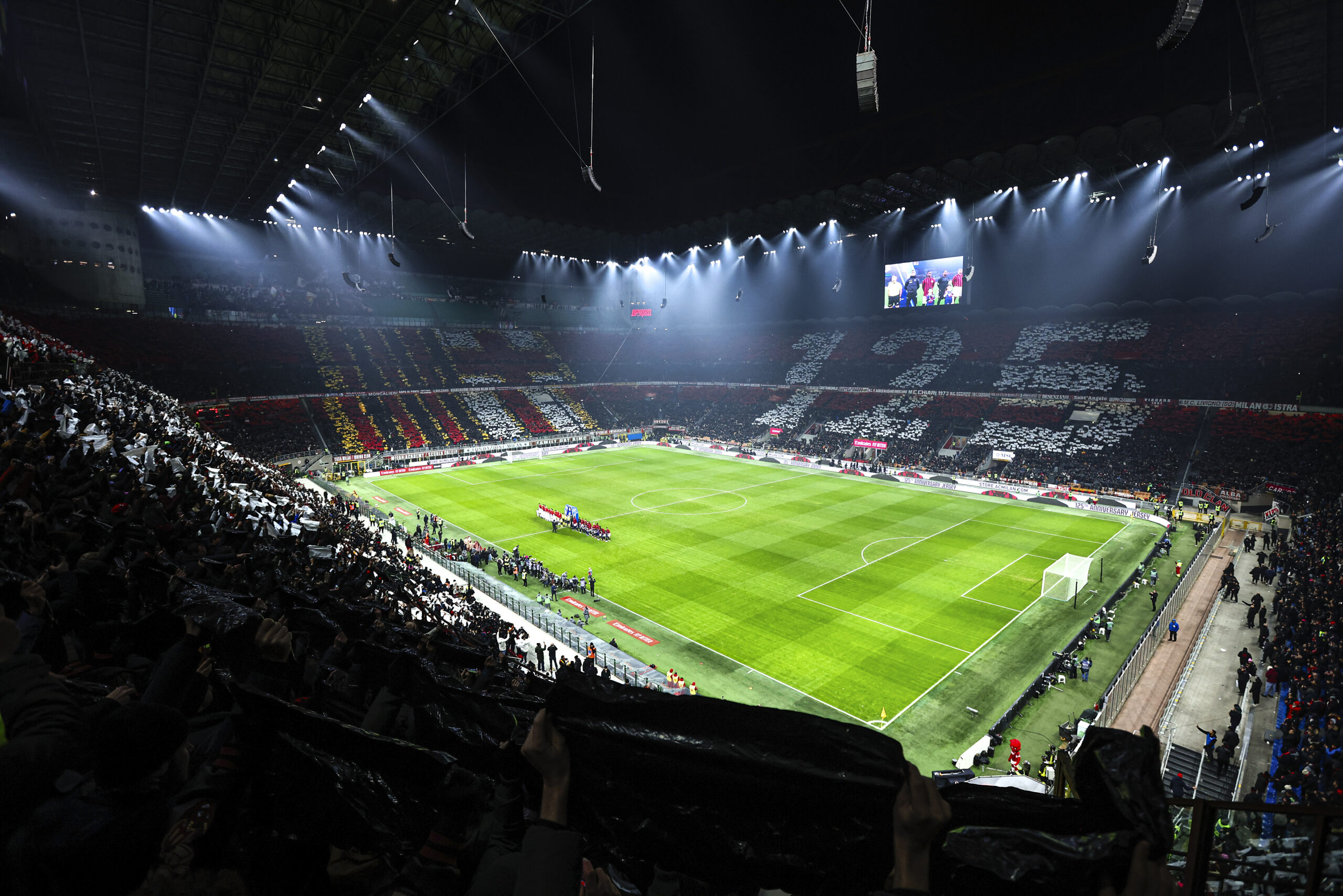
The financial Milan of 2025 understands that modern clubs are media and experience platforms. Matchday income improves through better pricing models, hospitality tiers and international visitors. Digital subscriptions, content partnerships and tailored language channels expand global reach without diluting the core narrative.
The shirt and crest are used carefully. Fewer random experiments, more consistent storytelling: heritage, modernity, clear visuals. That stability boosts sponsor confidence and fan attachment, which feeds directly into licensing and merchandise numbers, and with the new San Siro project and a naming rights battle approaching, revenues will improve even more.
Lessons for European football:
Milan's trajectory challenges a lazy assumption that profitability and top-level competition cannot coexist. The model proves that:
- Tradition can be monetized responsibly without becoming empty marketing
- Measured transfer policies can still deliver strong squads and title runs
- Financial transparency earns trust from fans, regulators and partners
- Long-term structures outperform cycles driven by emotion and politics
In a landscape warped by limitless funds and short-term panic, Milan's 2025 blueprint feels almost radical in its simplicity. Spend wisely, plan early, respect numbers, protect identity. The club does not win every negotiation or every match, yet stands positioned as one of the few giants that can look at the next decade without fear of the bill arriving too late.