
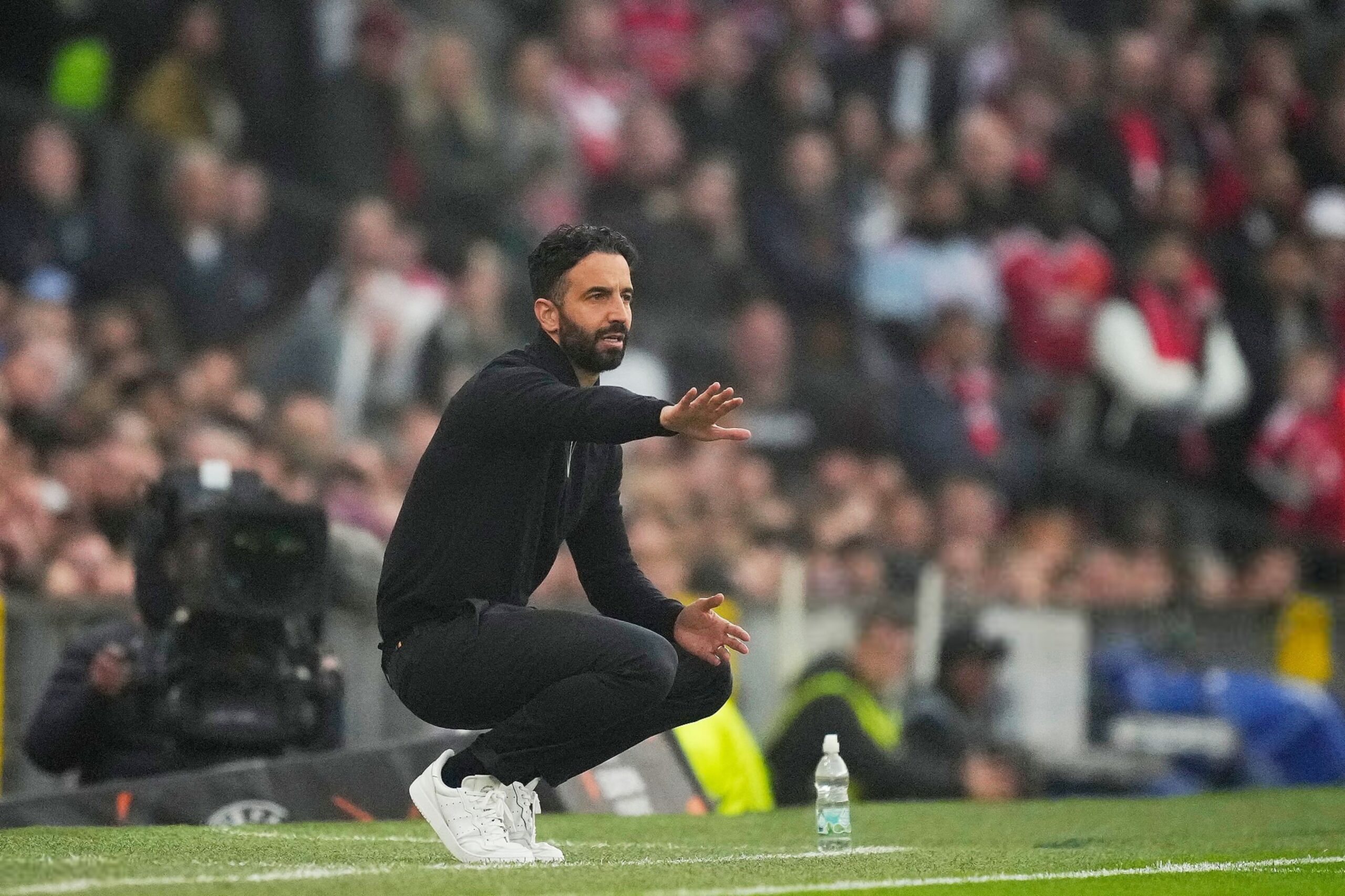
Rúben Amorim’s arrival at San Siro feels less like a traditional managerial appointment and more like a high-stakes rescue mission. Taking over after a season that saw Milan entirely miss out on Champions League football, the 41-year-old Portuguese tactician has signed a three-year contract designed to rebuild a shattered elite identity. But as he steps into the technical area, the ghost of his turbulent fourteen-month stint at Manchester United looms large over Milan’s upcoming Serie A campaign.
The primary lesson from Amorim’s failure in England isn't a lack of footballing intelligence; it was a structural inability to adapt under stress. At United, his insistence on a strict 3-4-2-1 system quickly devolved into predictable patterns when hit with squad limitations and administrative friction. The challenge lying in wait at the San Siro takes on a different complexion.
Milan’s squad possesses the technical tools to execute the high-press, possession-dominant football Amorim is after. The packaging is there. However, the internal mechanics must remain fluid. If Amorim treats his back-three blueprint as an absolute law rather than a flexible framework, the tactical gauntlet of the league will choke the life out of his transition phase before November. The real test is whether he can build a system that functions cleanly when the primary plan loses its shape.
Navigating the noise at San Siro
Old Trafford chewed Amorim up because the external noise eventually permeated the dressing room, culminating in a public fallout with the board following a match against Leeds. The San Siro offers no softer a landing. The Milanese fanbase demands immediate structural stability and a return to the European elite. The early signs are promising, with the board backing his vision by securing central forward Gonçalo Ramos on a club record fee.
Amorim’s first job isn't fixing the defense; it is building a psychological firewall around his players. He needs to establish an environment where external pressure does not dictate internal decision-making. When a team is transitioning to a completely new tactical identity, a single bad result can cause the entire structure to fracture. The strongest contenders in Italy are always the ones that maintain an internal calm when the media cycle turns hostile.
What AC Milan fans can expect
For the analytical side of the fanbase, the upcoming season presents a fascinating risk profile. Pundits are already weighing whether his brilliance at Sporting or his Manchester nightmare will dictate the tempo. Tracking these early tactical shifts is exactly why looking at the Sportingbet markets for Serie A betting has become a major talking point ahead of the start of the new season.
The odds will fluctuate wildly based on how quickly Milan adapts to a back-three system, making the opening six fixtures a critical indicator for long-term predictability. Bettors aren't looking for lucky wins; they are looking for repeatability, watching which version of Amorim’s philosophy shows up on the pitch.
Adaptation and compromise will define
Ultimately, Amorim’s tenure will be defined by his willingness to compromise. Milan is a club that cannot afford another year of structural doubt or transitional excuses. The pieces are being assembled, the tactical shift is underway, and the shadow of Manchester has been, hopefully, left behind. It is now up to Amorim to prove he can navigate a new league without falling off the same tactical cliff that cut his English ambitions short.