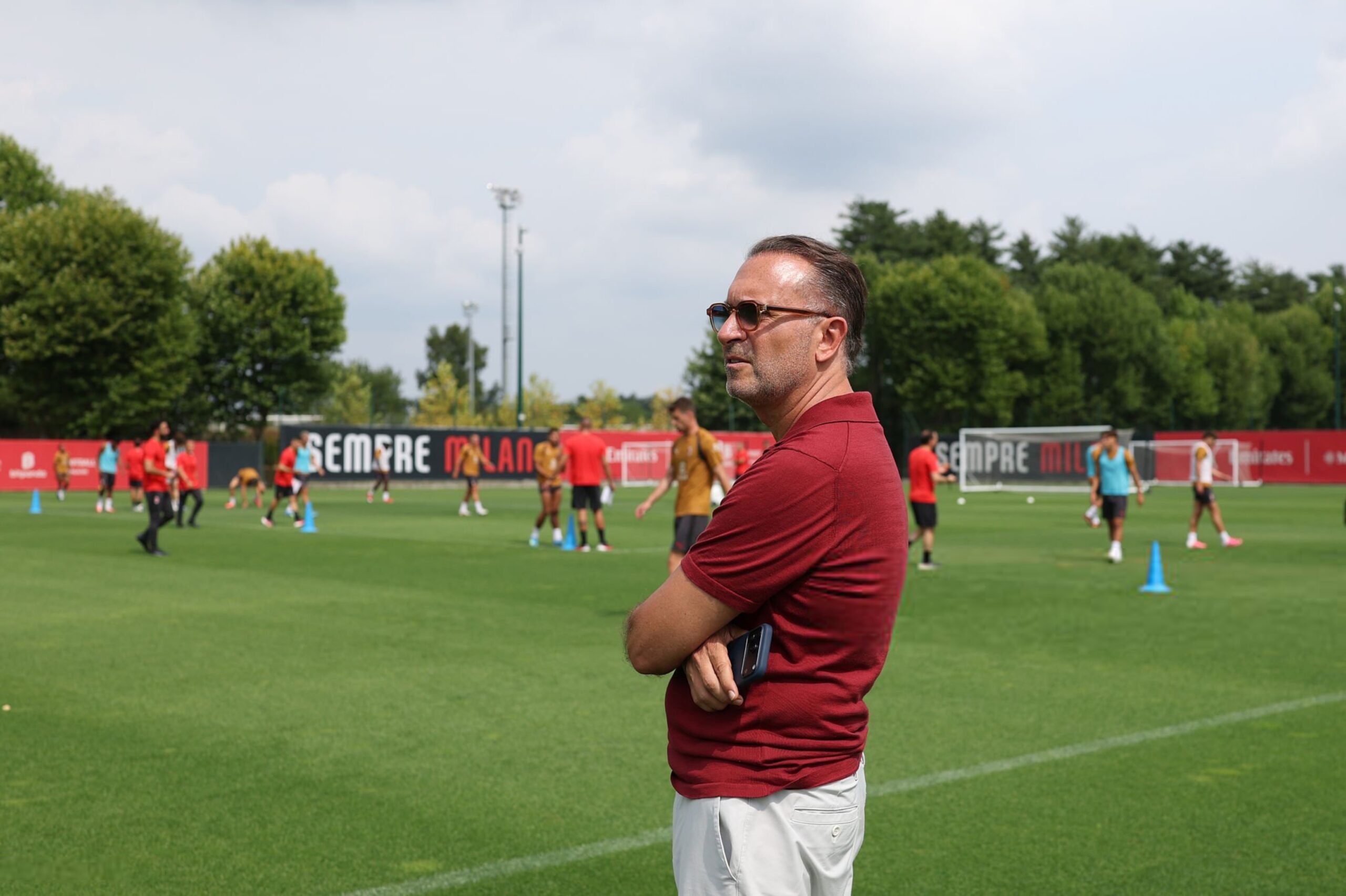

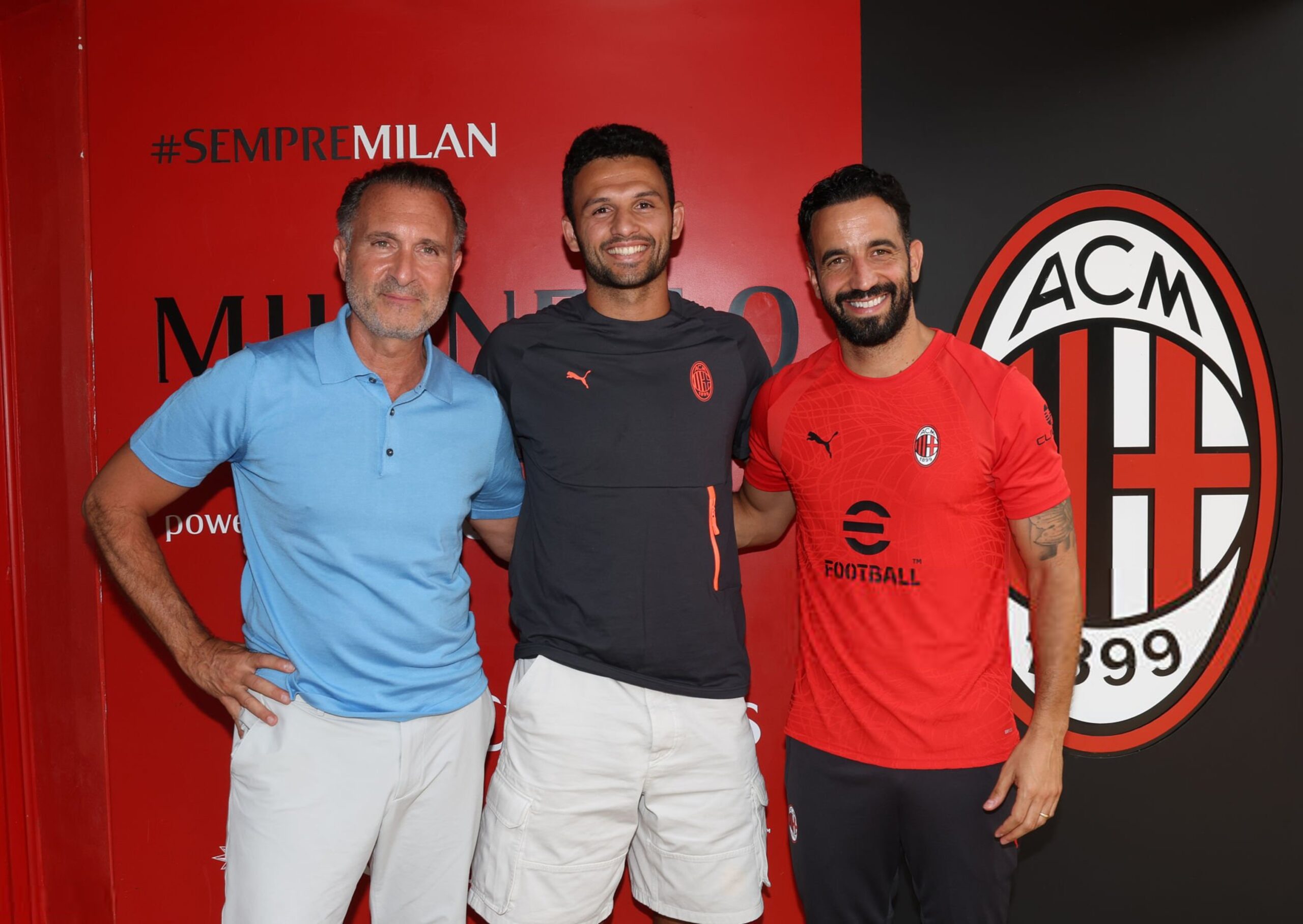
AC Milan’s summer has already moved beyond the excitement of one headline signing. Gonçalo Ramos arriving from Paris Saint-Germain gave the window its first big moment, especially with the Portuguese striker signing until 2031, but Milan’s real test is not whether they can make a splash. It is whether they can build a team that finally looks connected again.
That is the part Rúben Amorim will care about most. A new manager can survive a few quiet weeks in the market if the plan is obvious. He cannot survive a squad that looks expensive but awkward. Milan have had enough of that in recent seasons: good players, dangerous players, technical players, but not always a team that made sense from back to front.
The Ramos deal gives Amorim a centre-forward to work around. The next moves will show whether Milan are serious about fixing the rest of the structure. That is why the deal for Mario Gila is important. It is not as glamorous as signing a striker, but a centre-back who can defend forward, use the ball and cope with space behind him could be exactly what Milan need if Amorim wants the team to play higher up the pitch. Reports in Italy and Spain have confirmed the fee around the €25m to €30m mark, with Real Madrid also set to benefit from the sell-on structure linked to his Lazio move.
For supporters, and even for anyone following the early Serie A picture through a new sports betting site, Milan’s window is starting to look less like a collection of names and more like a tactical correction.
Amorim Has Inherited a Squad That Needs Clear Rules
The biggest issue for Milan has not been a lack of talent. It has been a lack of repeatable patterns.
Too often, Milan have looked like a team waiting for individual moments. Rafael Leão beats a man. Christian Pulisic finds space. A midfielder carries the ball through pressure. A full-back pushes high. Those moments can win matches, but they do not always build a season.
Amorim’s job is to give Milan rules without making them stiff. The best teams know where the next pass should be before the ball arrives. They know when to press, when to drop, when to trap an opponent wide and when to slow the game down. Milan have had too many games where those decisions looked improvised.
That is why this summer matters. A coach's ideas are only useful if the squad fits them. ramos gives Milan a penalty-box reference. New signing Mario Gila gives them another defender comfortable enough to be part of the build-up. Those two profiles point towards a more organised Milan, not just a more expensive one.
The Defence Is Where the Rebuild Could Be Won
The striker will get the photos. The defender may decide the season.
That is not an exaggeration. Milan have often looked dangerous when attacking into space, but they have also been exposed when matches become stretched. If Amorim asks his team to press higher, the defence will be asked to do more than clear crosses and win duels. It will have to hold its nerve near the halfway line.
That is where a player like Gila makes sense. Milan need centre-backs who can defend large spaces, but also pass through pressure. If the first pass is slow or safe every time, the whole team becomes predictable. If the centre-back can step in, draw a midfielder and release the ball early, Milan can start attacks with far more speed.
It is not just about Gila as an individual. It is about what his profile says. Milan appear to understand that Amorim cannot build an aggressive team with passive defenders. If the back line drops too early, the midfield gets stretched. If the midfield gets stretched, the attack becomes isolated. That is how promising teams become inconsistent teams.
Milan have lived through that too often.
Ramos Changes the Attack, but He Also Raises Expectations
Ramos gives Milan something obvious: a striker who wants to live in the box.
That sounds simple, but it changes the way the whole attack functions. Leão can cross earlier. Pulisic can make runs inside without feeling he has to finish every move himself. Midfielders can play quicker passes into dangerous areas because there should finally be a natural target attacking them.
The danger is that Ramos will be judged too quickly. He arrives with a long contract and a large reputation, so patience will be limited. If he misses chances early, the noise will come. If he scores in his first few games, people will talk about Milan as title challengers before the team is fully built.
Both reactions would be too much.
The better way to judge him is by how Milan’s attacking habits change. Does the team put more bodies into the box? Do wide players make better decisions? Do defenders have to stay narrower because Ramos is attacking the central spaces? Does Milan become less dependent on one brilliant dribble from Leão?
If the answer is yes, Ramos will be doing his job even before the goal count becomes impressive.
Milan Still Need Balance in Midfield
The area that should not be ignored is midfield.
Every good rebuild eventually comes back to the middle of the pitch. You can sign a striker and a defender, but if the midfield cannot connect both ends, the team still breaks apart. Milan need players who can protect transitions, move the ball quickly and understand when to slow the match down.
Amorim’s system will demand discipline there. If the wing-backs push high, the midfield must cover the space behind them. If the centre-backs step forward, someone has to read the second ball. If Ramos presses from the front, the midfield has to follow instead of leaving him to chase alone.
That is where Milan’s season may be decided. Not in the biggest announcement of the window, but in the small distances between players. A few metres too wide, and the press fails. A few seconds too slow, and the counter-attack begins. A midfield that reads those moments well can make the whole team look calmer.
Milan do not only need better players. They need better spacing.
The Market Work Has to Match the Manager
There is always a risk when a club changes manager and then moves aggressively in the transfer market. Every signing gets treated as part of the new era, even when some deals may have been discussed before the coach arrived. That can create confusion if the club and manager are not aligned.
So far, Milan’s business suggests they are trying to avoid that problem. The official club transfer page is already tracking the 2026/27 arrivals and departures, while the Ramos announcement gives Amorim a clear attacking piece to build around.
But the next few weeks will reveal more than the first deal did. Milan must avoid buying players simply because they are available. They need players with roles. A centre-back who can defend high. A midfielder who can hold the team together. A wide player or wing-back who can run without leaving the rest of the side exposed.
This is where good windows separate themselves from busy windows. Busy windows create headlines. Good windows create clarity.
Milan's Real Target Is Trust
Milan fans do not need to be told how big the club is. They know the badge, the history and the expectations. What they want now is a team that feels believable.
That does not mean Milan must win everything immediately. It means supporters need to see the shape of the plan. They need to look at the first month of the season and recognise what Amorim is trying to build. They need to see fewer broken matches, fewer careless transitions and fewer performances where the team looks dangerous for 20 minutes and ordinary for the other 70.
The Ramos signing has given the summer energy. The Gila pursuit could give it balance. The midfield decisions may give it credibility.
That is the real story of Milan’s window. Not simply who comes in, but whether the pieces start to speak the same football language.
Milan have made loud moves before. This summer, the more important question is whether they can make smart ones.