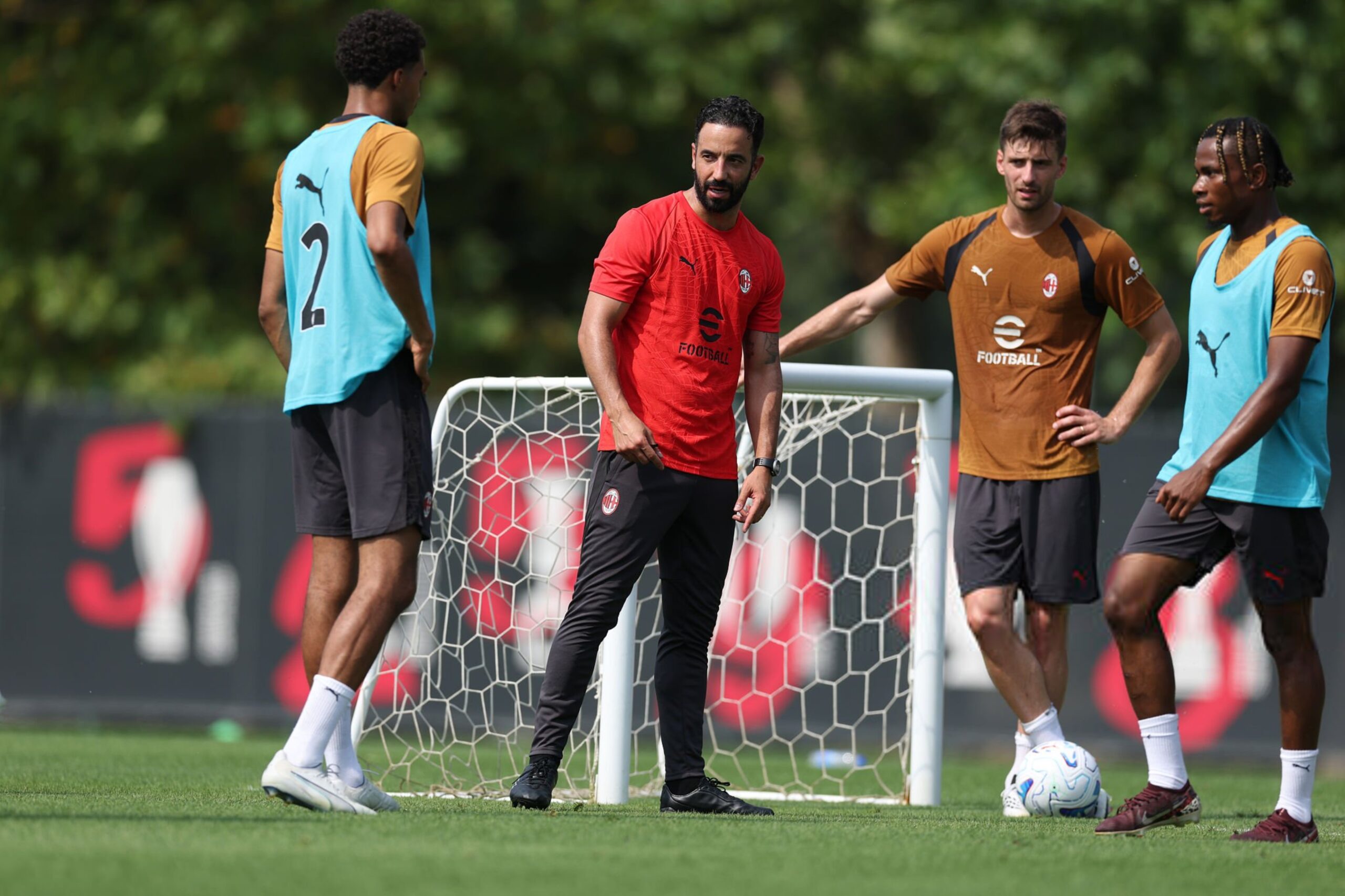

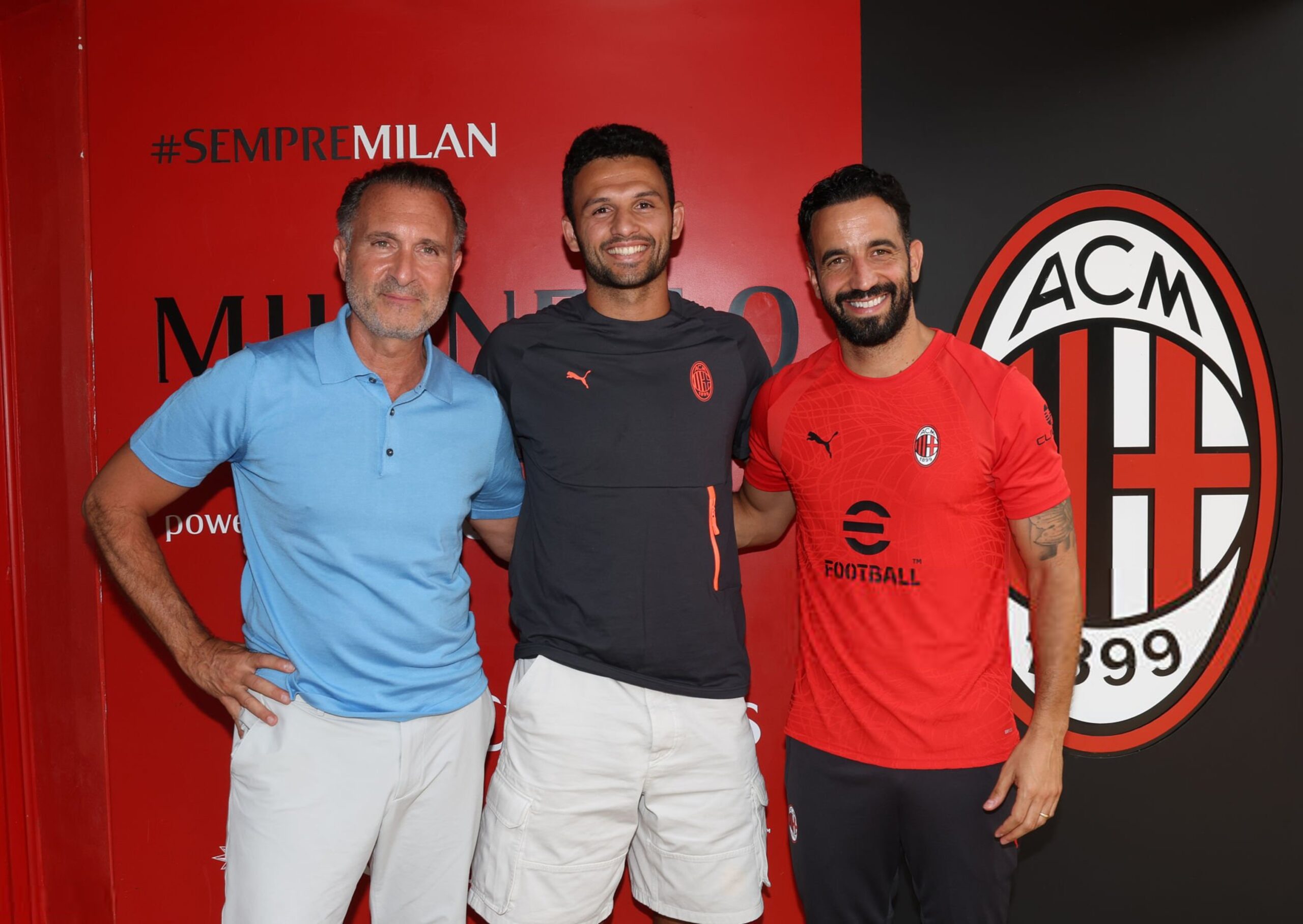
I've been tracking Milan for three years, and what I'm seeing now just hits different. After Amorim came in, the whole vibe changed. The club finally understands that quick fixes don't work and you need patience to build something real.
Milan spent decades as the standard everyone else tried to reach. Those seven Champions League trophies weren't accidents. Watching players like Maldini and Baresi was watching defensive poetry. Around 2012 though, everything collapsed. Milan finished 10th in Serie A in 2014, absolutely surreal for a club of that size.
The ownership group doesn't have cash to splash like Berlusconi did, so they've gone a different route that's actually brilliant. Building slowly.
Youth Development Actually Means Something Now
When Milan Futuro started in 2024, I figured it'd be another failed experiment. They're running it like Barcelona used to run La Masia, except these young players are genuinely breaking through to the senior squad.
Take Alphadjo Cissé. He's only 19 and trains with Amorim's first team constantly now. Five years ago, that player gets shipped to some Serie B club on loan and forgotten. Now there's a real development track, and people following sports results internationally (even folks checking betting zambia lines for value) have noticed these academy kids playing meaningful minutes.
I found 11 academy graduates who featured for the first team last season. Some only got 15 minutes, but that's how you build confidence.
The Amorim Factor
Hiring Amorim felt dangerous. His Manchester United chapter ended badly after 18 months, and Milan supporters weren't thrilled when rumors started.
Yet that rough United experience might actually help him here. Amorim isn't carrying Berlusconi-era history and expectation. When he discusses Gonçalo Ramos or squad construction plans, he's clearly thinking about where Milan should be in 2028, not the next three matches.
His 3-4-3 formation requires specific player profiles. Athletic wingbacks who can cover ground. Aggressive center-backs capable of stepping into midfield. Milan's transfer team is actually shopping for those exact types now instead of panic-buying whoever's available on free transfers.
Smart Spending (Finally)
Milan's old transfer approach frustrated me for years. They'd sign some 31-year-old on massive wages, squeeze out one decent season, then be stuck paying him for three more years while watching him decline.
That pattern's broken. Their average signing age has dropped to 23.4 years old across the last two transfer windows.
Ramos cost around €74 million. For Milan's current budget in 2026, that's a serious investment. But he's 25, fits Amorim's tactical setup perfectly, and should deliver 4-5 peak seasons.
The Rossoneri used the same logic while pursuing Mario Gila. He's 25. Lazio turned down their opening bid at €18 million, but did come back with a €30 million and closed the deal. That's how you assemble a backline that'll last half a decade.
The Leão Situation
Rafael Leão's almost certainly leaving when the summer window opens. Jorge Mendes is already in conversations with other clubs, and Milan seems calm about it.
Three years back, they would've desperately held onto him, watched his market value crater, then sold him for half his worth while scrambling to fill the gap. Now they're ready to sell while he's valued at €75-80 million and spread that money across three different positions.
A friend covering Serie A mentioned Milan's already locked in on two wingers and one midfielder they want using that Leão money. The names haven't leaked publicly, but the planning's completely finished.
Winning the Scudetto next season? Not happening. Probably not the year after either. But immediate results aren't the point anymore. They're constructing something that could function at a high level for 8-10 years if management stays committed. That's exponentially more valuable than another rushed trophy challenge that implodes by Christmas.