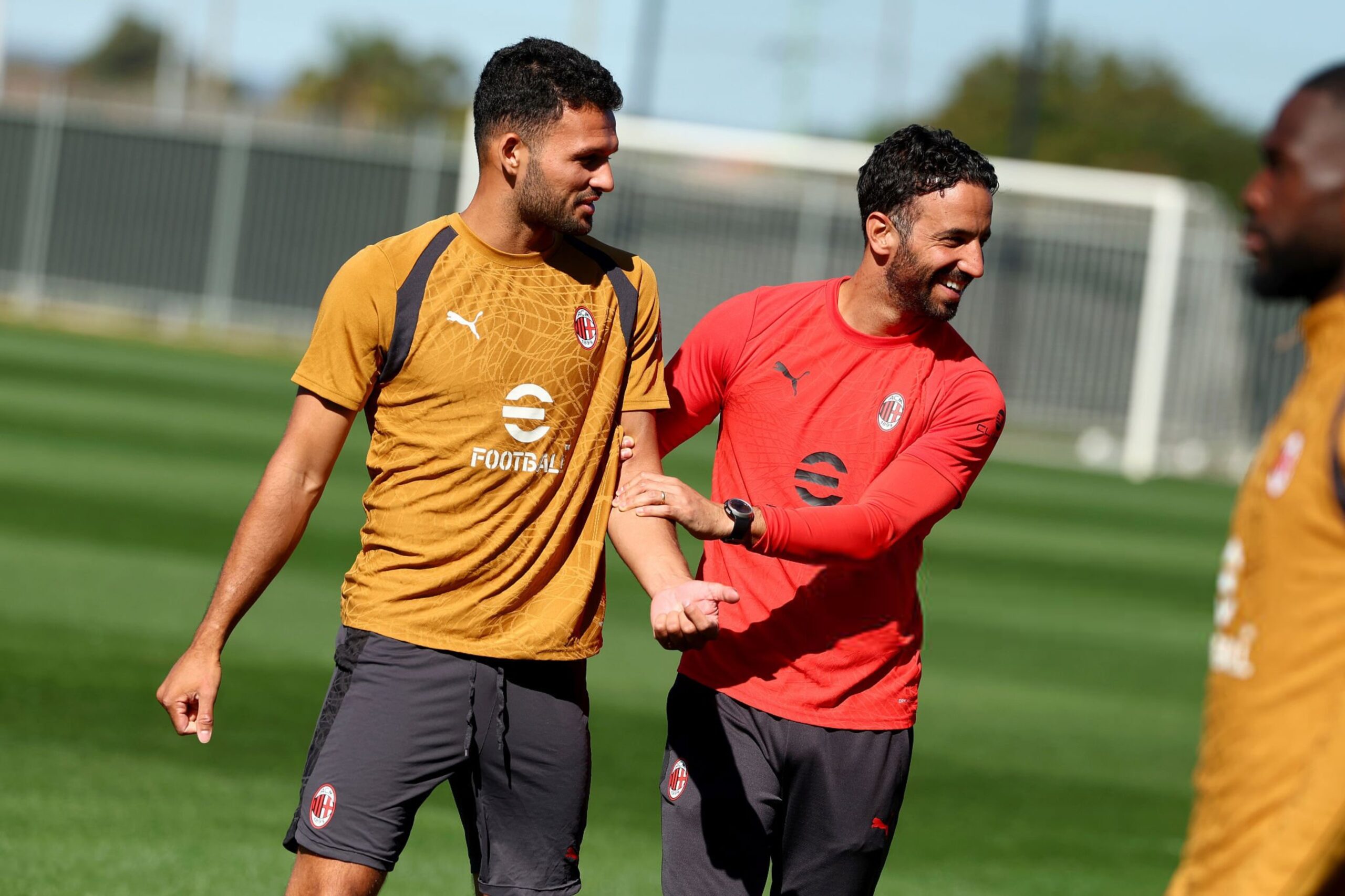

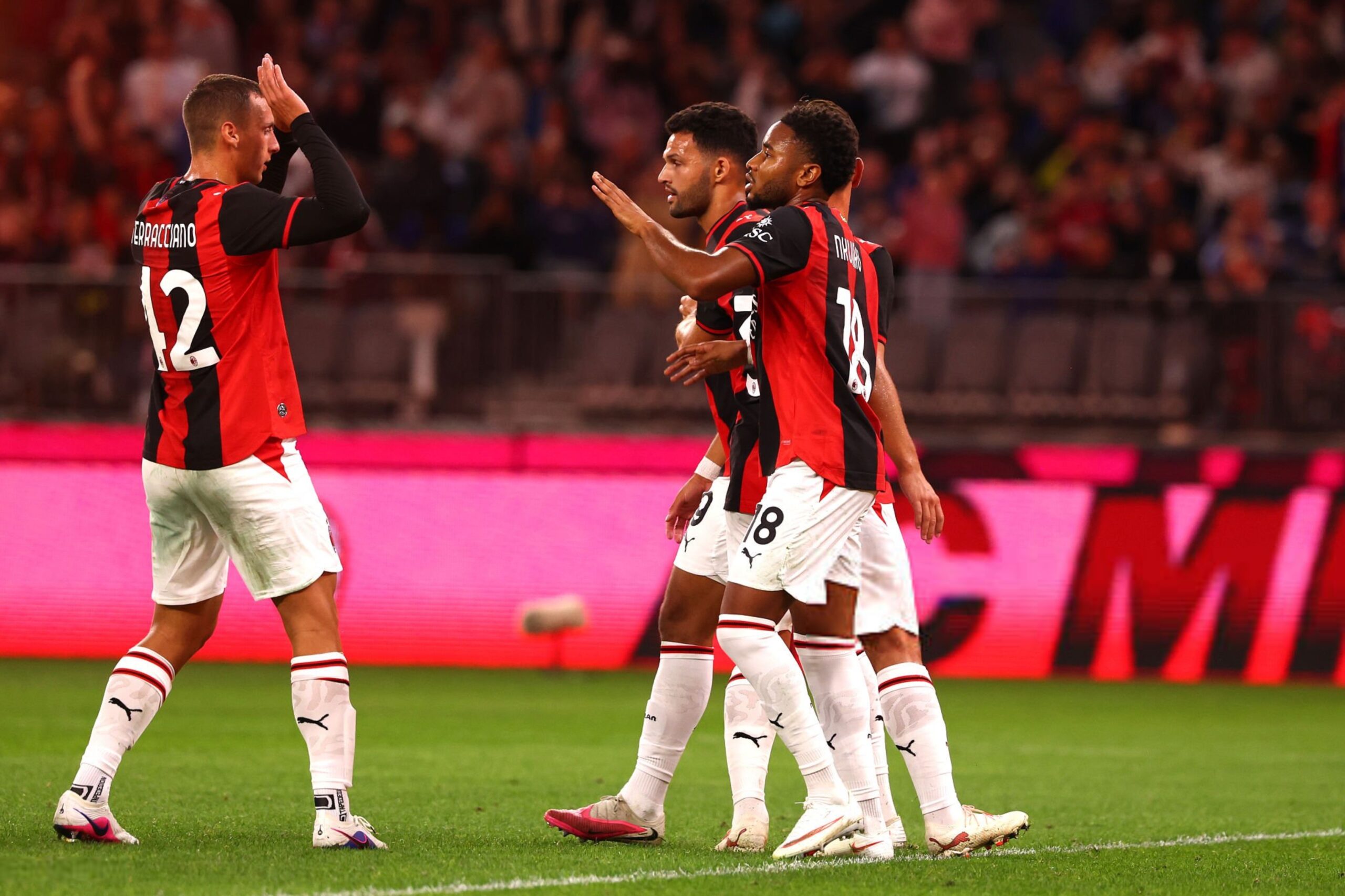
The final day collapse against Cagliari will be remembered as the moment Milan missed the Champions League. Como winning their last three games and leapfrogging the Rossoneri into fourth will be the narrative that gets replayed. But the actual damage from missing out was not visible in the table. It showed up in the accounts. Milan ended the 2025-26 financial year with a €25 million loss, ending a three-year run of profits. The year before, they had made €2.9 million. The difference between those two numbers is largely one competition.
The champions league betting market will not include Milan this season. The draw on August 27th, PSG defending the title they won on penalties against Arsenal in the final, the opening fixtures on September 8th, none of it directly involves the Rossoneri this time around. For a club that has been in European football's flagship competition for most of its recent history, watching the draw from the outside changes more than just the prestige. It changes the budget.
What the Numbers Actually Show
Broadcasting revenues fell 42.4% in 2025-26, from €154 million to €89 million. That collapse is almost entirely attributable to losing the Champions League distribution income. UEFA prize money, broadcasting pool allocations, market pool payments, all of it disappears when you finish fifth in Serie A and Como edges you to the last European spot. Total revenues dropped from €494 million to €433 million across the year. Commercial income held up and actually grew slightly, a 5.9% rise partly from increased Emirates sponsorship payments, but no commercial growth offsets a 42% fall in broadcasting revenue.
The club had to sell to cope. Theo Hernandez and Malick Thiaw departed, generating around €100 million in player trading income that helped absorb the loss. Without those sales, the €25 million deficit would have been considerably worse. Milan's net equity sat at €199 million at the end of last season, which is enough to absorb this without an immediate crisis, and the club says it will remain within UEFA's Financial Fair Play parameters. But spending heavily to rebuild under Amorim becomes harder when your revenue base has just contracted by €61 million in a single year.
What Missing Out Means for the Transfer Market
This is where the Champions League absence intersects most directly with the betting picture. The clubs in this season's competition are attracting better players, paying higher wages, and offering the kind of European football nights that move transfer negotiations. Milan, rebuilding under Amorim with a Serie A campaign rather than a Champions League campaign, is working from a weaker negotiating position than it was twelve months ago.
Amorim's 3-4-3 system needs specific players, particularly high-energy wing-backs, and finding those players at the right price is harder when the pitch is "Europa League or no European football at all" rather than "Champions League football at San Siro." The market knows this and the Serie A title odds at 6.00 to 6.50 reflect it, a club rebuilding without Europe's biggest competition to fund and attract the rebuild is a club that needs a strong start to prove the trajectory is right before the odds tighten.
What Comes Back With Qualification
The flip side of all this is that Champions League qualification in 2026-27 would transform Milan's financial position immediately. UEFA distributions for group phase participation alone run to €15-20 million before a ball is kicked, with market pool and performance bonuses stacking on top. A deep run brings significantly more. The broadcasting revenue that collapsed by €65 million this season would recover substantially.
That is why Amorim's first season is not just about football performance. It is about restoring the revenue base that funds the next rebuild. The BoyleSports Champions League betting market opens on August 27th without Milan's name in it. Whether it includes them next season depends on what happens between now and May.