
Despite the heartbreaking failure to qualify for the biggest football tournament, the FIFA World Cup, for three consecutive editions, Italy’s Serie A is still considered as one of the best football leagues in the world. And AC Milan is still a part of that greatness.
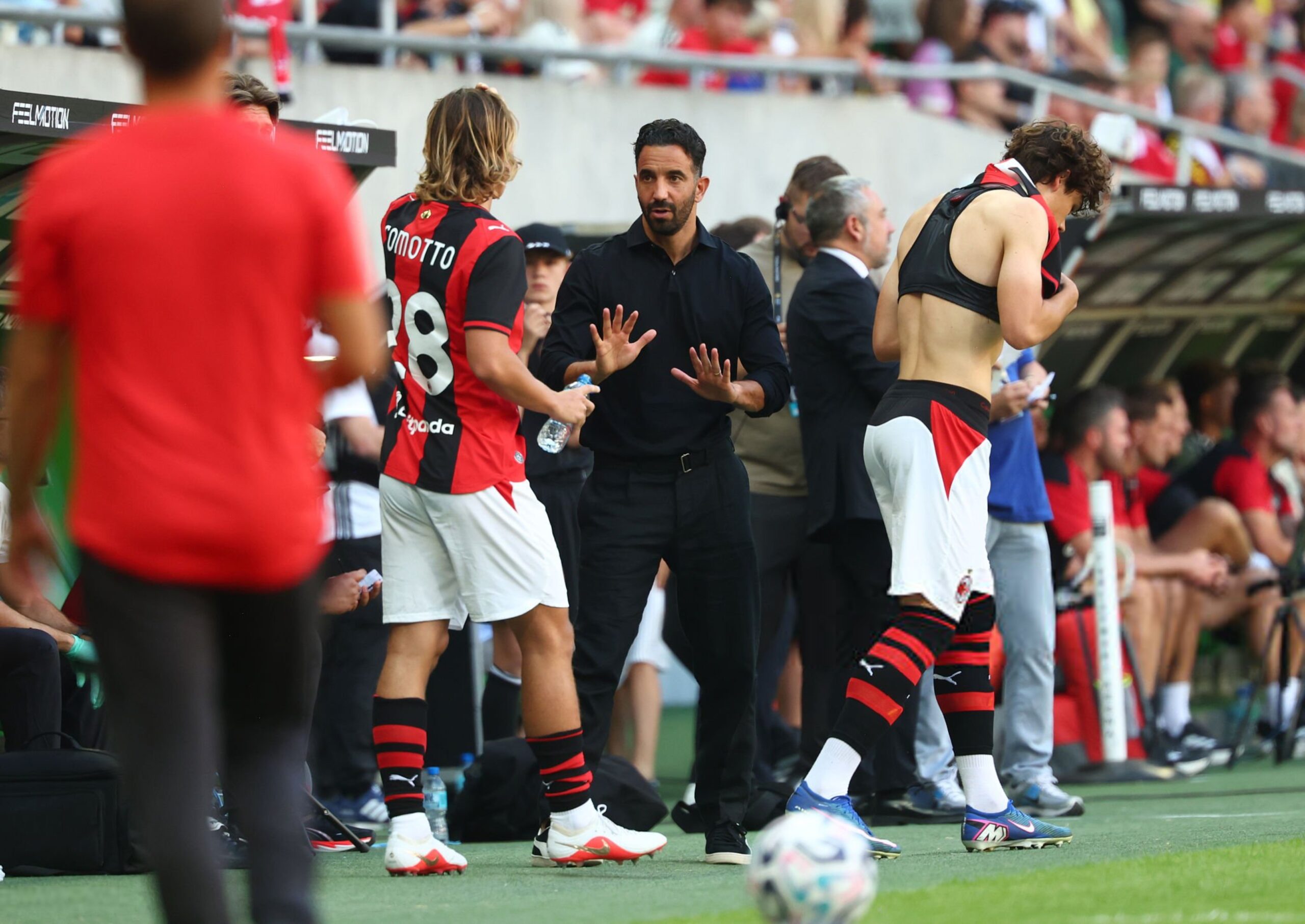
"I'm very happy to be here. It’s an honor to be AC Milan’s head coach. If you’ve seen an old interview of mine, you’ll know how special this is to me," said AC Milan’s new manager, Ruben Amorim, about his new job with Rossoneri in early July.
"It’s a huge challenge. After my last one, I promised myself I’d choose a smaller challenge but here I am, this is even bigger than the last."
Football fans might have thought these words reflected Amorim’s hidden frustration with his difficult time with Manchester United. Indeed, becoming a head coach for Milan at such a crucial time like now is not a walk in the park.
Nevertheless, Spain’s defensive approach and their latest World Cup title have triggered a thought-provoking question among several football pundits: isn’t it time for Italian football, which was once famous for its defensive style, to rise from the grave?
A better plan
Unfortunately, catenaccio is still out of sight in Amorim’s current plan for AC Milan this season. Instead of reviving the old school Italian style, Amorim looks forward to implementing a proactive and dominant 3-4-2-1 formation built around intense pressing and aggressive vertical ball progression.
He prefers to deploy the defensive trio of Strahinja Pavlović, Mario Gila, and Matteo Gabbia in a wide possession-oriented setup. Amorim will likely instruct these players not to wait passively for the ball to come near the penalty box, but to press immediately after losing possession high up the pitch.
The new season could be the era of the midfielders, Amorim understands this well. AC Milan’s midfielders may have their time to shine this season as the new coach looks to fill the central area with them, aiming to restrict the opposition’s movement before transitioning from wide play to dynamic vertical attacks.
There's still a chance for catenaccio
While the tactic is seen as outdated in modern football, the catenaccio’s intention to provide absolute defensive security and “kill’ opponents on the counterattack is actually timeless across different eras of football.
According to pundits, Rossoneri would need to make a few tactical adjustments if they believe their predecessors’ ideas are still relevant on their journey to winning the title. That’s because Milan already has what it needs to bring Italian football back to life.
Here is what Amorim needs to consider.
First of all, Mario Gila and Strahinja Pavlović possess what a modern libero needs to clean up loose balls, thanks to their pace and ability to recover defensively..
There’s nothing wrong with retreating into their own half than insisting on aggressive pressing that leaves their territory vulnerable to opposition attacks. A flat five-man defense could work well to prevent the opposition from roaming freely across pitch.
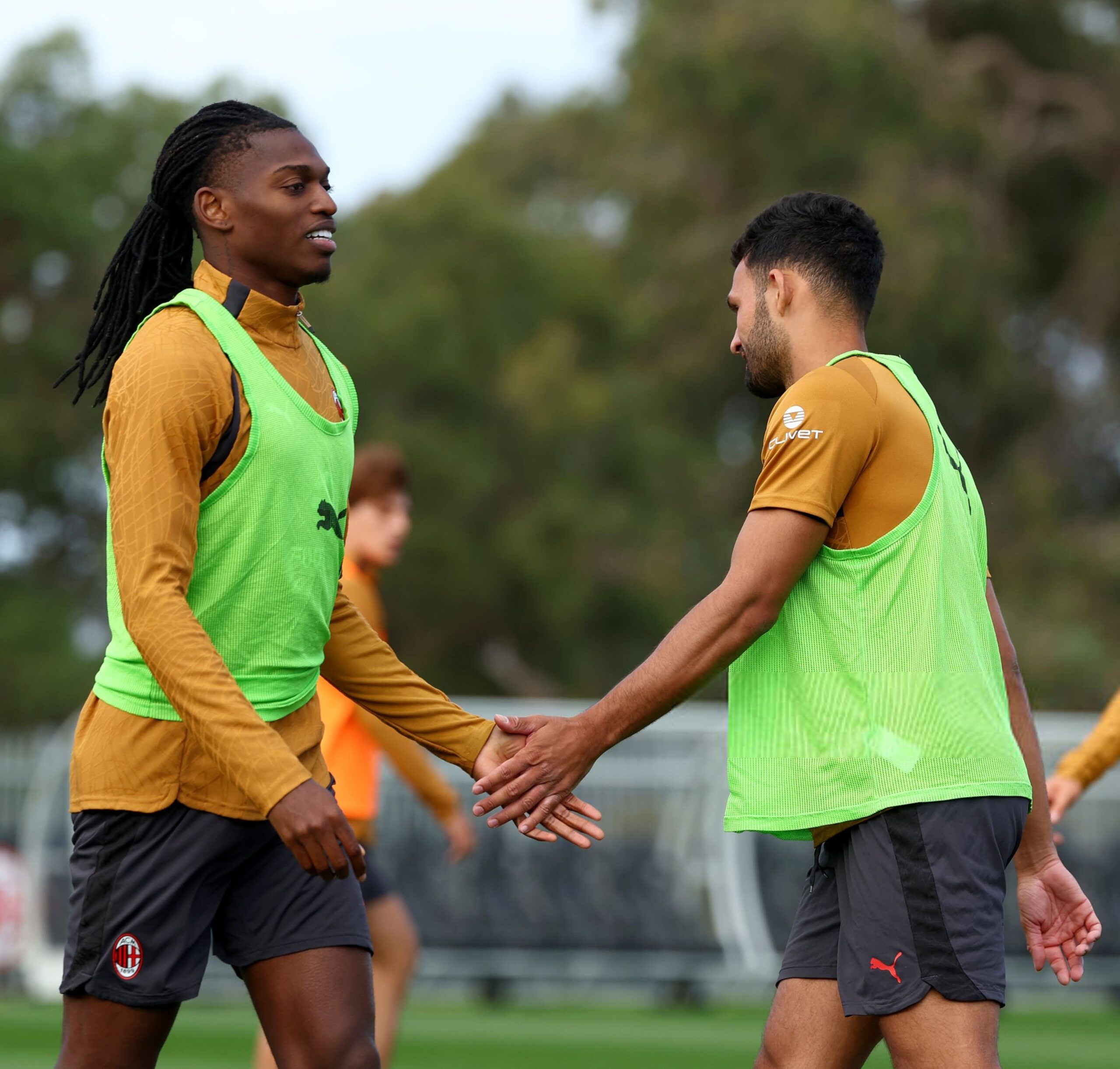
Rafael Leão and Gonçalo Ramos's raw power should be harnessed to create long-ball opportunities that can catch the opposition off guard when they push too many players forward.
Lastly, a fast and flexible striker should patiently wait for those long balls and turn them into goals. Like dugoutcentral.com, the striker should also stay in position rather than dropping back to join his teammates in crowding the penalty box, allowing him to remain ready to launch a counterattack when an opportunity arises.