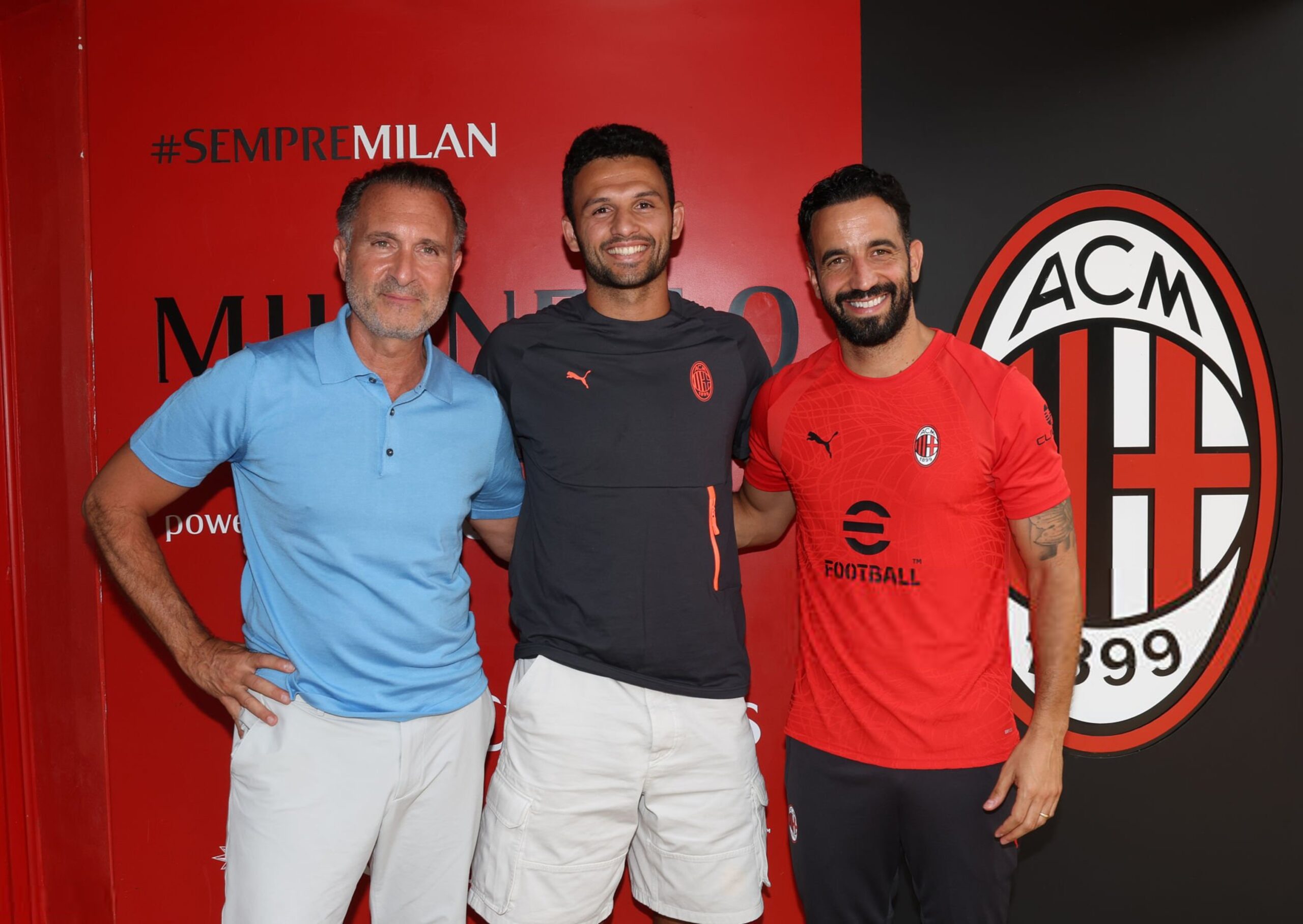

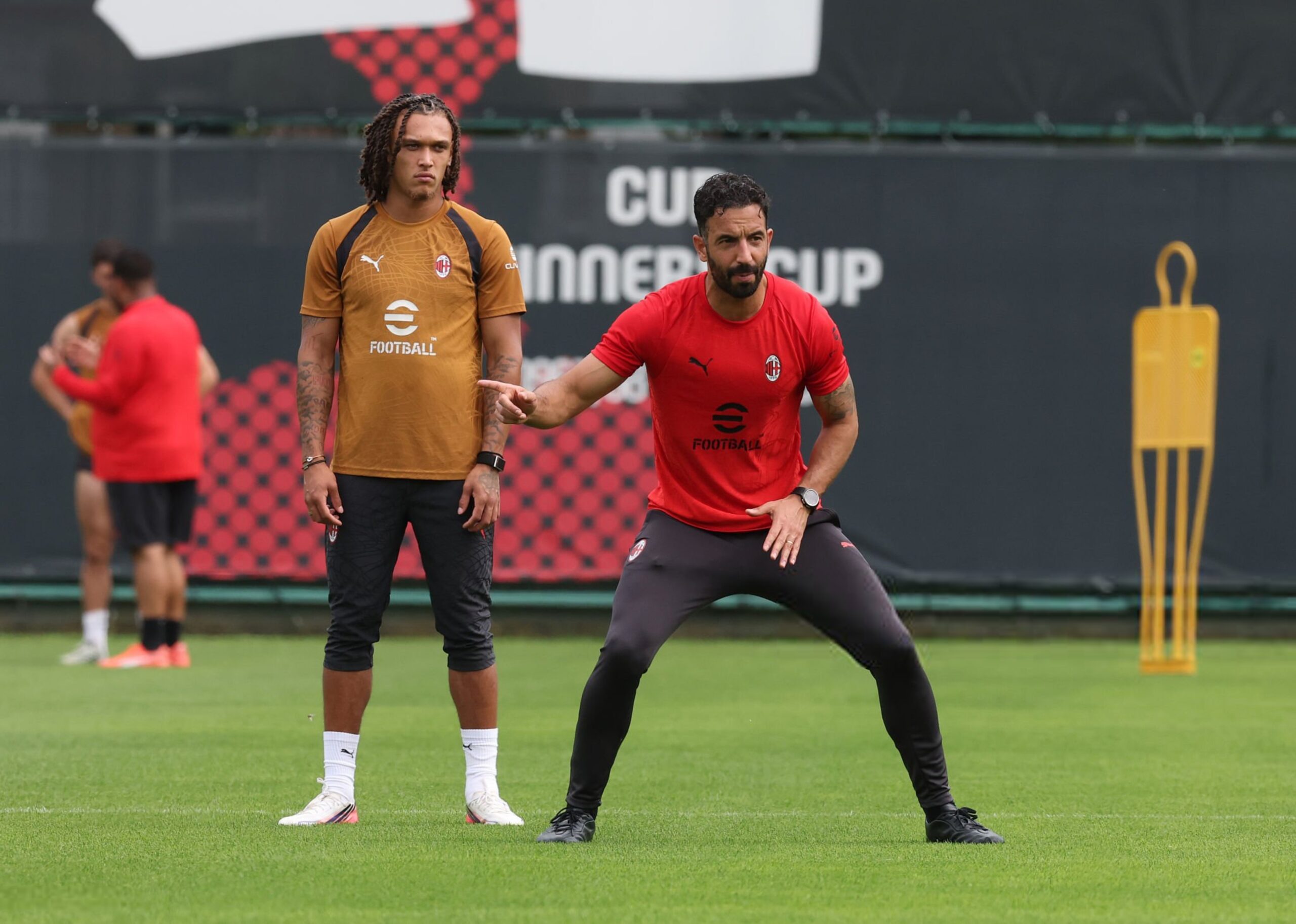
Every successful football club eventually reaches a crossroads where maintaining the status quo is no longer enough. After several seasons of rebuilding, tactical adjustments, and changing expectations, AC Milan have chosen to begin another important chapter by appointing Ruben Amorim as head coach. The Portuguese manager arrives with a reputation for modern football, intelligent squad development, and an ability to build competitive teams without relying solely on expensive transfers.
For Milan supporters, the appointment represents more than simply replacing a manager. It signals a commitment to establishing a recognizable football identity capable of competing consistently in Serie A and on the European stage. Amorim's previous work demonstrated that structured coaching, tactical flexibility, and player development can transform ambitious squads into title contenders.
A Tactical Philosophy Built on Structure
One of Ruben Amorim's defining characteristics is his commitment to collective organization. Rather than depending on individual brilliance, his teams are built around coordinated pressing, intelligent positioning, and quick transitions after winning possession.
Although he is most commonly associated with a back-three system, Amorim has repeatedly shown that formations are only a starting point. His football emphasizes movement between lines, fluid wing play, and midfielders capable of controlling both possession and defensive balance.
For Milan, this approach could maximize the strengths of several current players while creating clearer roles throughout the squad. Modern football increasingly rewards teams capable of pressing collectively instead of relying on isolated defensive actions, and Amorim's coaching philosophy fits that trend perfectly.
Supporters should also expect extensive tactical preparation before matches, with opponents analyzed in detail and game plans adapted accordingly rather than following a rigid one-size-fits-all system.
Young Players Could Become the Biggest Winners
Perhaps the most exciting aspect of Amorim's appointment is his history of developing young talent.
Throughout his coaching career, promising players have consistently improved under his guidance because they were given defined responsibilities instead of excessive pressure. Technical ability has always been complemented by tactical education, allowing young footballers to mature naturally within the team's overall structure.
This philosophy aligns well with Milan's recent recruitment strategy, which has focused on signing talented players with significant room for development rather than established superstars nearing the end of their careers.
If the club continues along this path, supporters may see greater squad depth, increased internal competition for places, and a more sustainable sporting project.
The modern football economy also rewards clubs capable of developing valuable assets internally. For analysts, journalists, and content creators covering these trends, football business discussions often overlap with wider digital industries, including sports betting affiliates, where audience engagement increasingly follows transfer news, tactical analysis, and major European competitions throughout the season.
Recruitment Must Match the Manager's Vision
Even the best tactical systems require players suited to the manager's ideas.
Milan's sporting department, who signed Gonçalo Ramos, Mario Gila, and Diego Moreira, must continue to identify footballers who are capable of executing Amorim's demanding style. Technical quality remains important, but decision-making, physical intensity, versatility, and tactical discipline may become even higher priorities during future transfer windows.
Wing-backs comfortable attacking and defending, central defenders capable of progressing the ball, energetic midfielders, and intelligent forwards who press aggressively are all likely to fit the new project.
Fortunately, modern recruitment relies heavily on data alongside traditional scouting. Performance metrics, physical output, passing profiles, pressing efficiency, and tactical adaptability all contribute to smarter transfer decisions than ever before.
Meanwhile, football's growing digital ecosystem continues expanding beyond the pitch. Publishers covering European football often monitor industry developments through resources such as MelBetAffiliates.com, which regularly publishes updates, educational articles, and partnership news for affiliates interested in the sports betting sector.
Expectations Should Balance Ambition with Patience
Changing a team's identity is rarely an overnight process.
While supporters naturally hope for immediate success, Amorim's greatest achievements have generally come after players fully absorbed his tactical principles. Building automatisms in pressing, positional rotations, and possession structures requires months rather than weeks.
The encouraging aspect for Milan is that the club already possesses a talented core capable of adapting to modern tactical demands. With smart recruitment, consistent coaching, and patience from supporters, the foundations for long-term success appear realistic.
Competing for Serie A titles, qualifying regularly for the UEFA Champions League, and challenging Europe's elite remain ambitious objectives, but they become far more attainable when supported by a coherent football philosophy instead of constant short-term changes.
A Fresh Identity for the Rossoneri
Every successful era begins with a clear vision.
For AC Milan, Ruben Amorim represents more than a new face on the touchline. He embodies a modern coaching philosophy centered on tactical intelligence, youth development, collective discipline, and continuous improvement.
The coming months will undoubtedly include challenges as players adapt to new responsibilities and supporters become familiar with a different style of football. However, the long-term outlook is encouraging. Milan are not simply changing coaches, they are attempting to establish an identity capable of lasting for years.
If Amorim succeeds in translating his ideas onto the pitch while the club continues making intelligent decisions in recruitment and player development, this appointment could eventually be remembered as the beginning of another successful chapter in the Rossoneri's rich history.