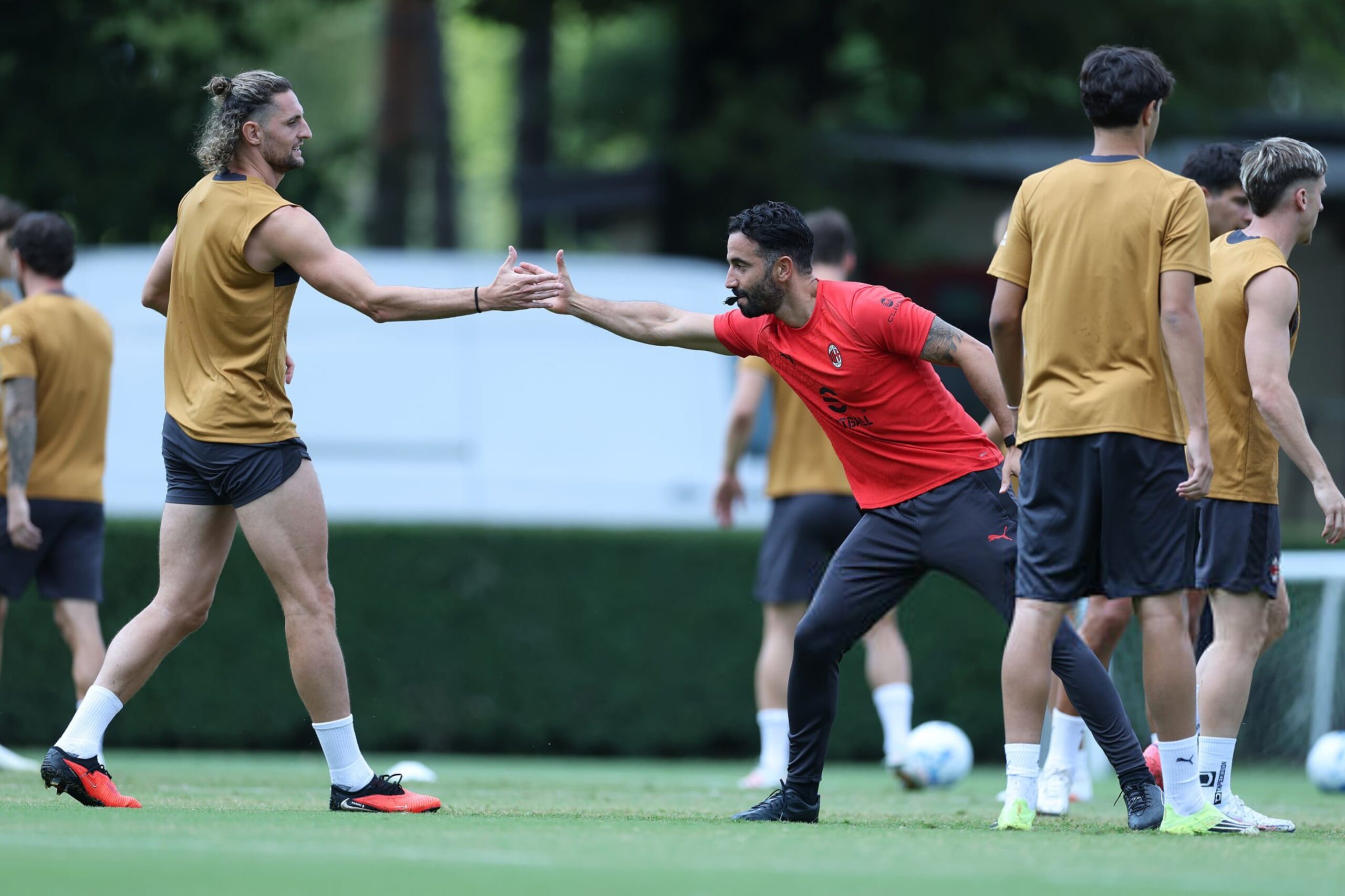


The problem for Milan is not last night’s draw in Reggio Emilia. Or rather, it is not just that. The real warning sign comes directly from the words of one of the leaders in the dressing room, Adrien Rabiot, one of the players expected to lead Ruben Amorim’s new Milan side.

In mid-October, after six league matches, the Frenchman is still speaking openly about mentality, and when a player with his experience does so, it means the issue deserves proper attention. Not alarmism, of course, but neither should it be ignored, as noted via Milan News.
Milan, four points dropped and a pattern beginning to repeat itself...
Milan have already dropped four points from winning positions at the start of this season. After taking a 1-0 lead against Juventus through Alphadjo Cisse, they were pegged back by Gatti in the 92nd minute following a set-piece situation. Yesterday, after taking the lead against Sassuolo through Rabiot himself, they conceded an equaliser just five minutes later. How? Once again, from a set piece. The incidents are beginning to tell a story.
Even in Turin, despite winning 2-1 on the opening matchday, Milan had dropped their tempo and defensive line after taking a two-goal lead. At the Olimpico against Lazio, meanwhile, a reaction in the second half was required after a first half that had been all but gifted to their opponents, with Milan going into the break trailing 2-0.
Rabiot was even more direct after the match in Reggio Emilia, saying: "We need determination and mentality, and the desire not to concede goals."
In some ways, this is precisely the paradox. Milan show quality, know how to change systems and produce good spells of football. Yes, but only in fits and starts, still struggling to recognise when to step up the pace, when to take control and, above all, how to manage games after taking the lead. Rabiot also made this point yesterday without beating around the bush: "We cannot afford to keep dropping too many points."
Amorim needs time, that much is clear. But by mid-October, Milan can no longer view every lapse in concentration as simply part of the process. Technical development can perhaps wait a few weeks, particularly if the mental side of the game is still lacking. Because a team that wants to return to winning ways must first learn something seemingly simple: once you have laid the foundations for victory, you cannot keep handing the game back to your opponents.