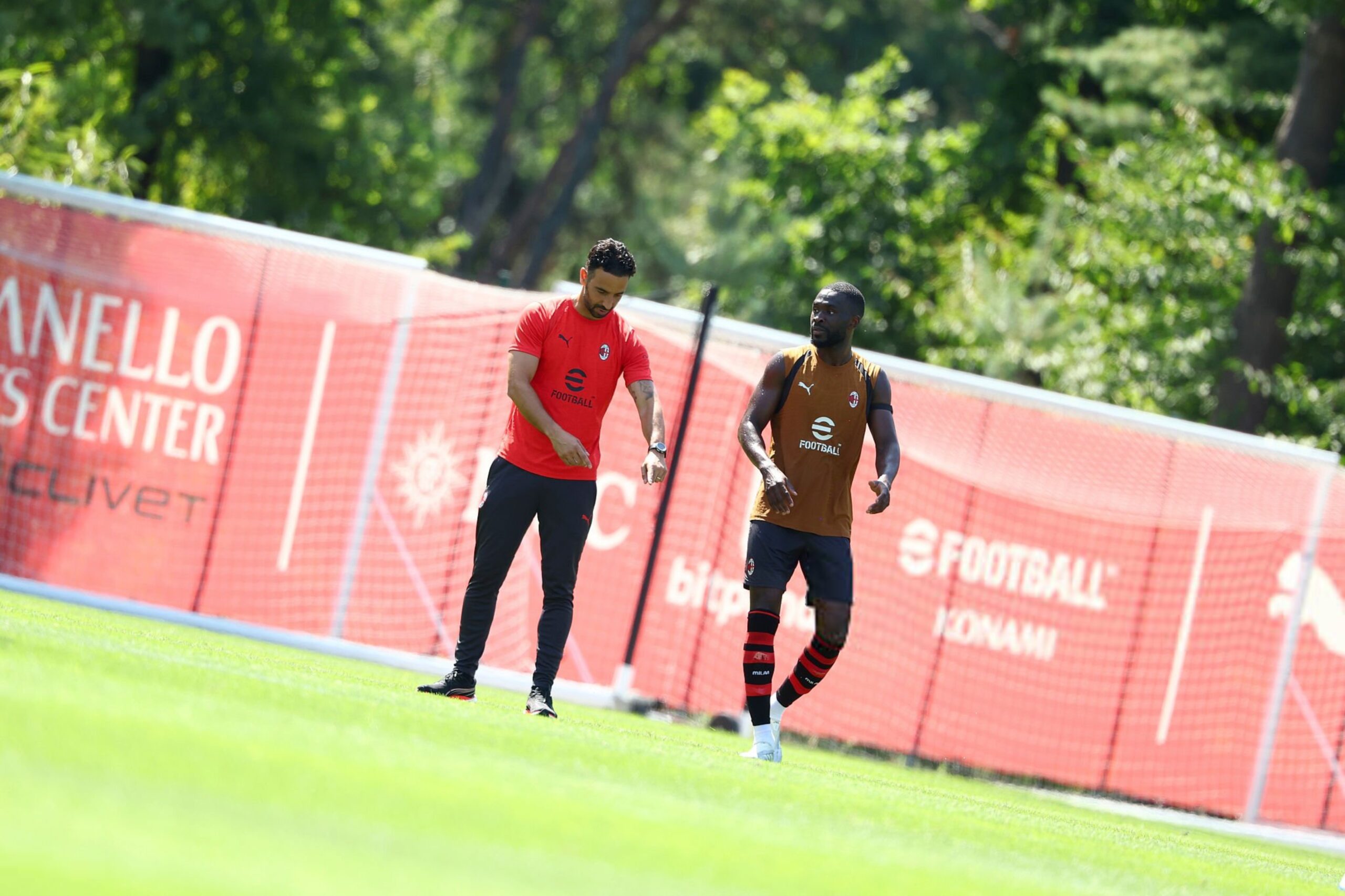

Ruben Amorim’s strategy regarding the players deemed surplus to requirements did not work out exactly as Milan had imagined. Fikayo Tomori, Santiago Gimenez, Christopher Nkunku, Youssouf Fofana had been identified as players outside the new project and, for weeks, had trained separately from the group. Three of them found new clubs, albeit on loan: the No. 7 moved to Porto, the No. 18 returned to Leipzig, while the No. 19 joined Sevilla on loan right at the Spanish transfer deadline.
The only one left was No. 23. Talks with Fulham failed to produce an agreement and, once the summer transfer window closed, Amorim decided to change course. The defender was personally informed that he would be reinstated and is therefore once again available to the manager, as relayed via Milan Press.
Reinstatement does not automatically mean a central role, because Milan have not handed Tomori his place back simply to give him a spot in the starting XI. The manager has already identified Mario Gila as one of the players set to occupy the right side of the back three, while Filippo Terracciano could provide an alternative option.
Tomori will therefore have to start from scratch.
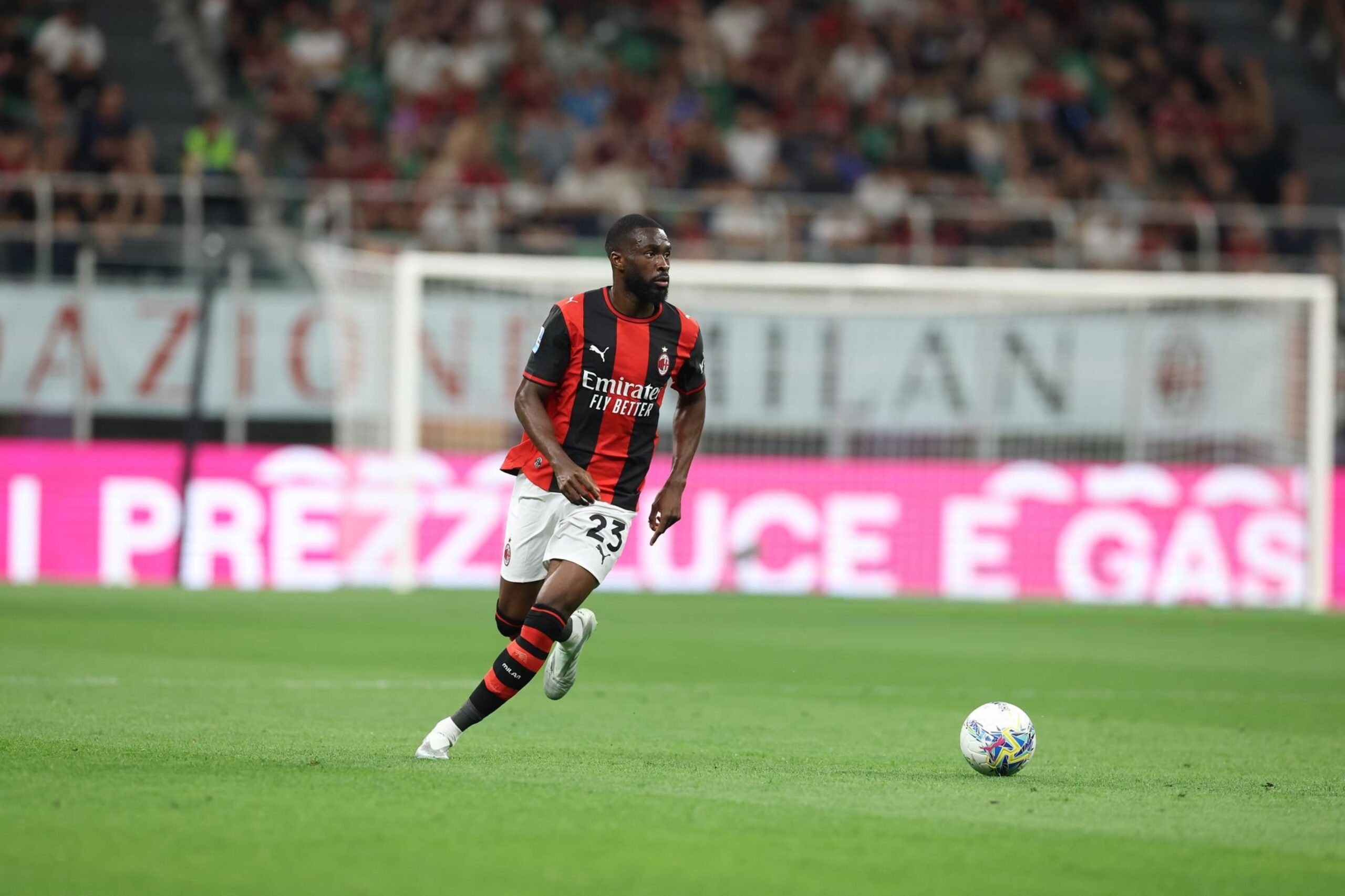
Or almost. He will have to convince a manager who, until just a few days ago, considered him outside the project. And he will have to do so in the language he knows best: on the pitch, the same way he previously convinced every manager to take charge of the Rossoneri, with Allegri the latest. Intensity, pace, aggression and the ability to defend on the front foot are qualities that, if rediscovered, could still make him a valuable player.
Then there is the more delicate issue of his contract, which was already under discussion before the whole squad-cutting situation. The ex Chelsea player is under contract with Milan until June 2027. If he earns regular playing time and returns to being a key player, the club will have two options: renew his contract or sell him, avoiding the risk of reaching next summer and losing him on a free transfer.