
Milan is one of the clearest examples of how much Italian football has changed in recent years. The era of the benefactor-president, an expression of the local business community and often identified with the face of the club itself, now appears to belong to the past. In its place have come funds, holding companies, financial investors and foreign capital, with increasingly complex corporate structures.
The Rossoneri ownership fits fully into this transformation, which now involves a large part of Serie A. The first Annual Report of the Independent Commission for the Verification of the Economic and Financial Balance of Professional Sports Clubs provided a snapshot of this shift, devoting considerable attention to the ownership structures and governance of Italian professional clubs.
Milan, half of Serie A have direct foreign shareholder
The most significant figure concerns the top flight. Among the 20 Serie A clubs, ten have a direct shareholder based abroad: 50% of the league. This percentage reflects a football landscape that is profoundly different from that of a few decades ago, with Milan representing one of the most recognisable examples of the opening of Italian football to international capital – a shift that has drawn global interest from fans and markets far beyond Europe, including those who follow the game through platforms such as sport bet zambia.
The figure drops to 20% in Serie B, with four clubs out of 20, and to 10.7% in Serie C, with six clubs out of 56. Overall, among the 96 Serie A, Serie B and Serie C clubs analysed by the Commission, 20 have a direct shareholder based abroad, representing 20.8%.
Among the 20 foreign direct shareholders identified by the Commission, the United States is the most represented country with six cases, followed by the United Kingdom with five. Luxembourg and the Netherlands follow with three cases each, while Romania, Malta and Bermuda have one each. The weight of American investment is particularly evident in Serie A, where three direct shareholders are based in the United States. There are also two cases linked to the United Kingdom, two to Luxembourg, two to the Netherlands and one to Romania.
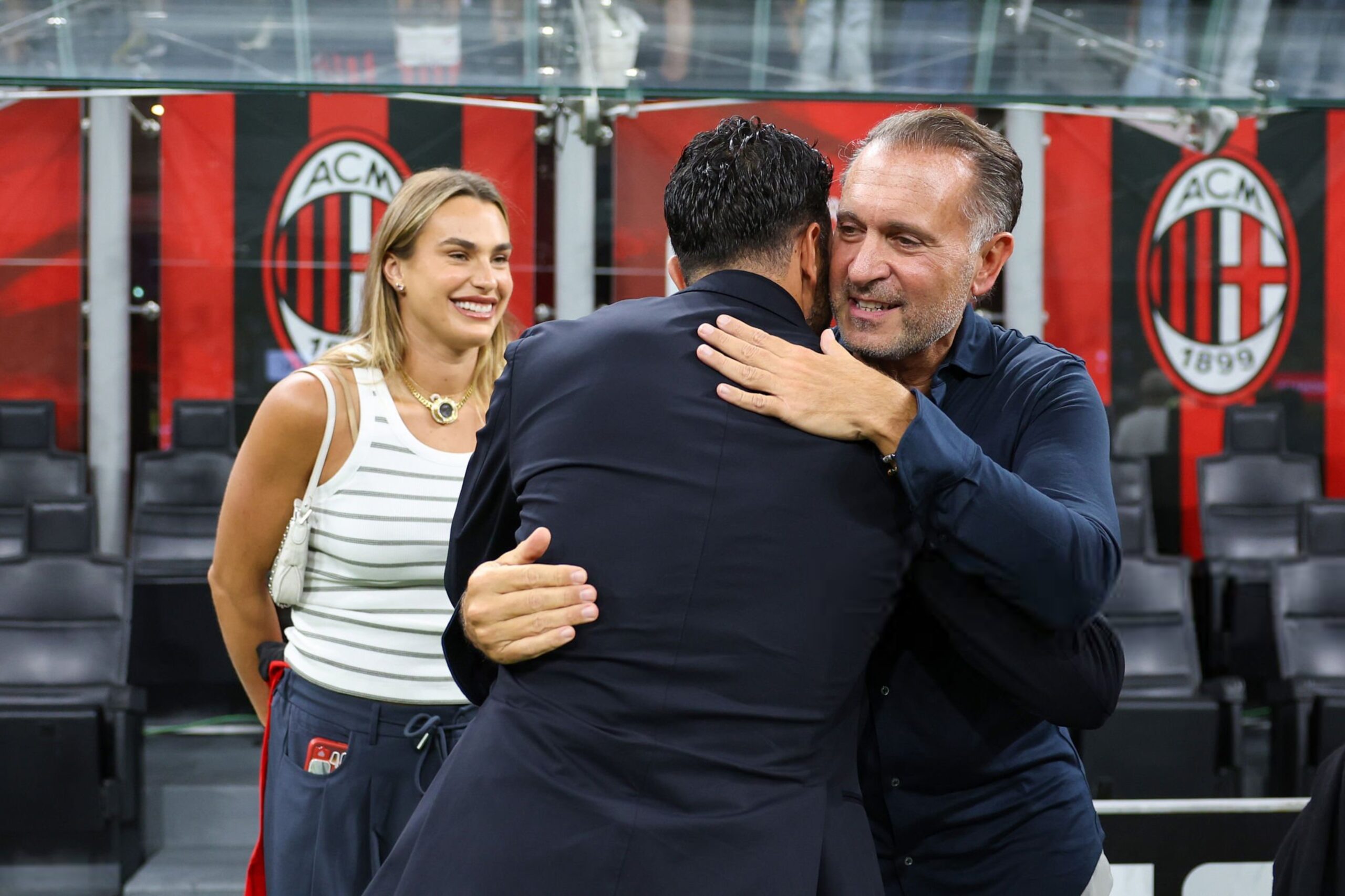
Milan was among the first clubs to embark on this path, initially with Elliott and now with RedBird, illustrating the transformation of the system as a whole. The report recalls the transition from the model of major industrialists (from Piero Pirelli and Silvio Berlusconi at Milan, to Massimo Moratti at Inter and the Agnelli family at Juventus) to clubs becoming companies, stock market listings and, more recently, the growth of international financial investors.
Milan and Serie A, the growing influence of major shareholders
The transformation is not only about where the capital comes from. Another element highlighted by the report is the concentration of corporate control. Among the 96 companies analysed, in 42 cases the direct shareholder owns 100% of the capital. In another 25 companies, the stake is between 75% and 100%. In other words, at around seven out of ten clubs, the main direct shareholder controls at least three-quarters of the capital.
The Serie A league also stands out for its particularly high level of concentration in this regard: 16 of the 20 clubs have a direct shareholder holding at least 75% of the capital. For Milan, which is part of this new ownership model, the figure helps illustrate how much the role of ownership has changed in modern football. It is no longer simply about ensuring that expenses are covered, but about building a corporate strategy in which finance, organisation, the transfer market and commercial development are increasingly interconnected.
The future of football also lies in multi-club ownership
There is another transformation that is having a major impact on international football: multi-club ownership, namely networks in which a single investor owns or controls several clubs in different countries. According to UEFA and FIFA data cited by the Commission, around 230 clubs worldwide are now part of multi-club structures. There were fewer than 100 just five years ago and fewer than 40 in 2012.
The model allows investors to share scouting networks, facilities, expertise and recruitment strategies. A young player can be developed at one club within the network and subsequently moved to a higher-level side, while player trading can be incorporated into a broader shared strategy.
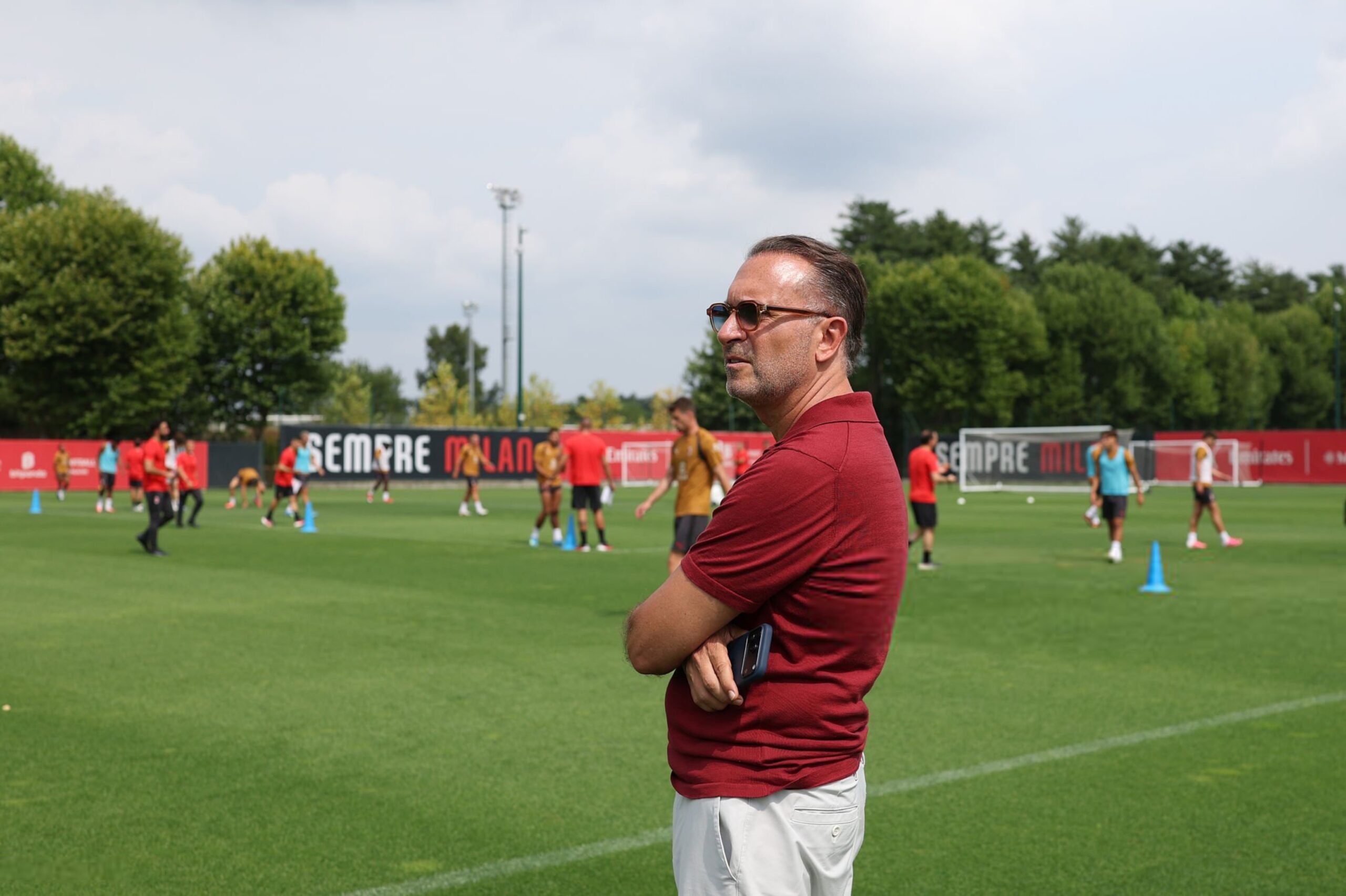
RedBird has also been one of the pioneers in this area. Gerry Cardinale's fund owns 85% of French club Toulouse, a little over 10% of Fenway Sports Group, the owner of Liverpool, and, according to the latest reports, appears interested in acquiring a stake in Saudi club Al-Nassr before the end of the season. Cristiano Ronaldo is among the players currently at the club.
But football still belongs to the fans, who want to win
There is, however, one aspect that no corporate structure, fund or financial strategy should ever make us forget. However much football may have become an industry capable of attracting investors interested in the possibility of generating profits, it remains above all the sport of the people. Milan fans do not buy shares, think about multi-club ownership or view a club simply as a financial asset, as relayed via Milan Press. The fans want to see Milan win. They want a competitive team, important players, trophies and a club capable of returning to the levels demanded by its history.
That is the fundamental difference between football as an investment and football as a passion. The former can be measured through accounts, revenues and asset values; the latter through emotions, belonging and victories. For this reason, regardless of ownership models and financial strategies, Milan must continue to have a clear sporting objective: winning. That is what the fans demand and, inevitably, what should always guide the ownership's decisions.
Gerry Cardinale chose to invest in Milan within a modern and international model. Now the challenge is to show that financial and sporting priorities can move in the same direction. In an interview with 'La Gazzetta dello Sport' a few days ago, former Rossoneri player Walter De Vecchi said: "Cardinale seems moe proactive to me: he has met the coach's demands and is finally making himself visible in Milan". We all hope so.