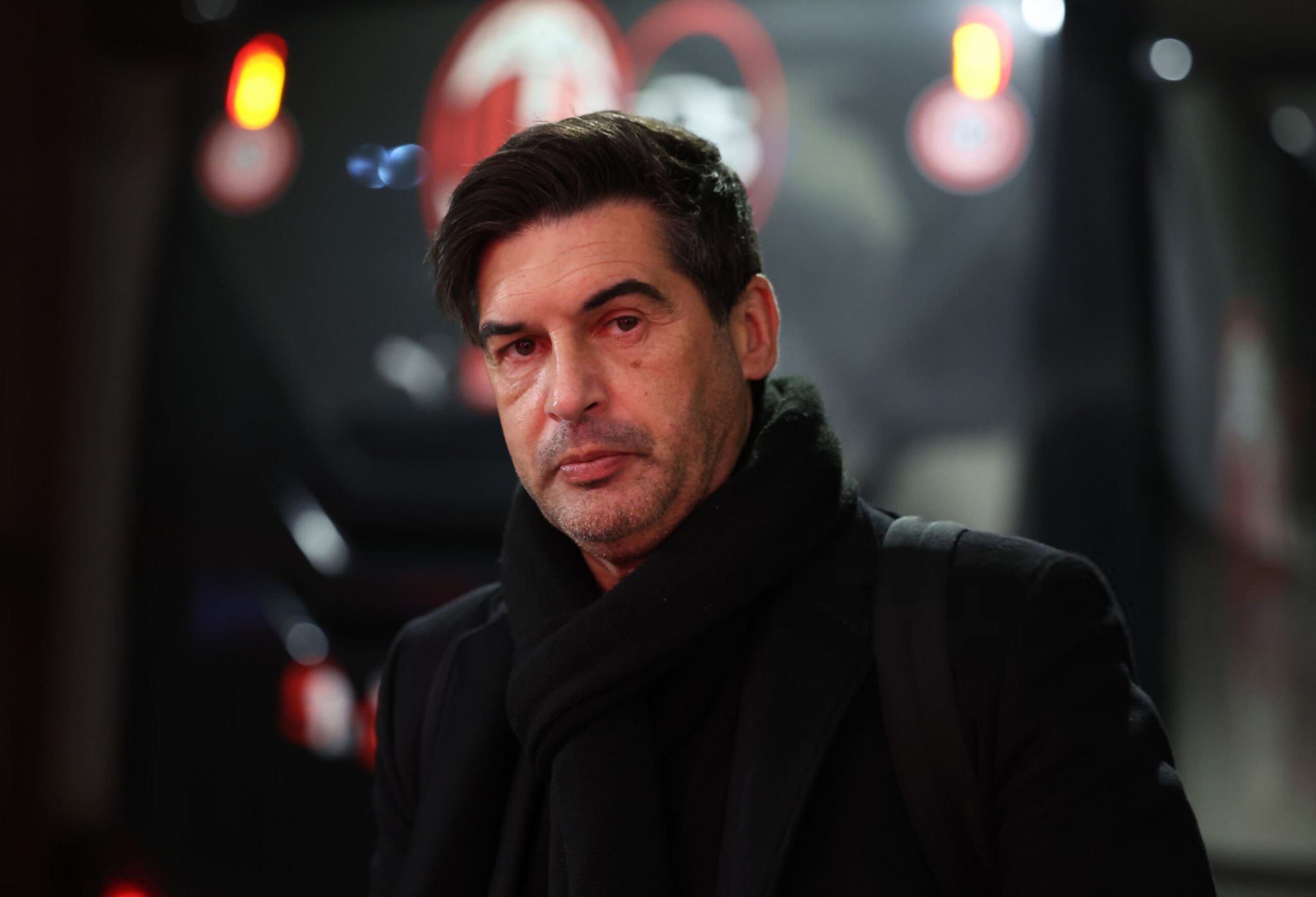


Interviewed by those at SportWeek, former AC Milan manager Paulo Fonseca spoke about his turbulent experience with the Rossoneri, describing it as a real regret. He said:
"I am disappointed, yes, because two years ago I was brought in for a reason: to change the team’s style of play. The club told me: ‘We want Milan to become dominant, to have possession of the ball and play in the opposition half.’ I replied: ‘Perfect, that is exactly my idea of football too.’ But the truth is that change takes time, and playing this kind of football in Italy is not easy. To achieve it, you first have to change the players’ mentality. I may sound arrogant, but I was already on that path and, after me, I have never seen Milan again express the quality of football they showed when I was on the bench."
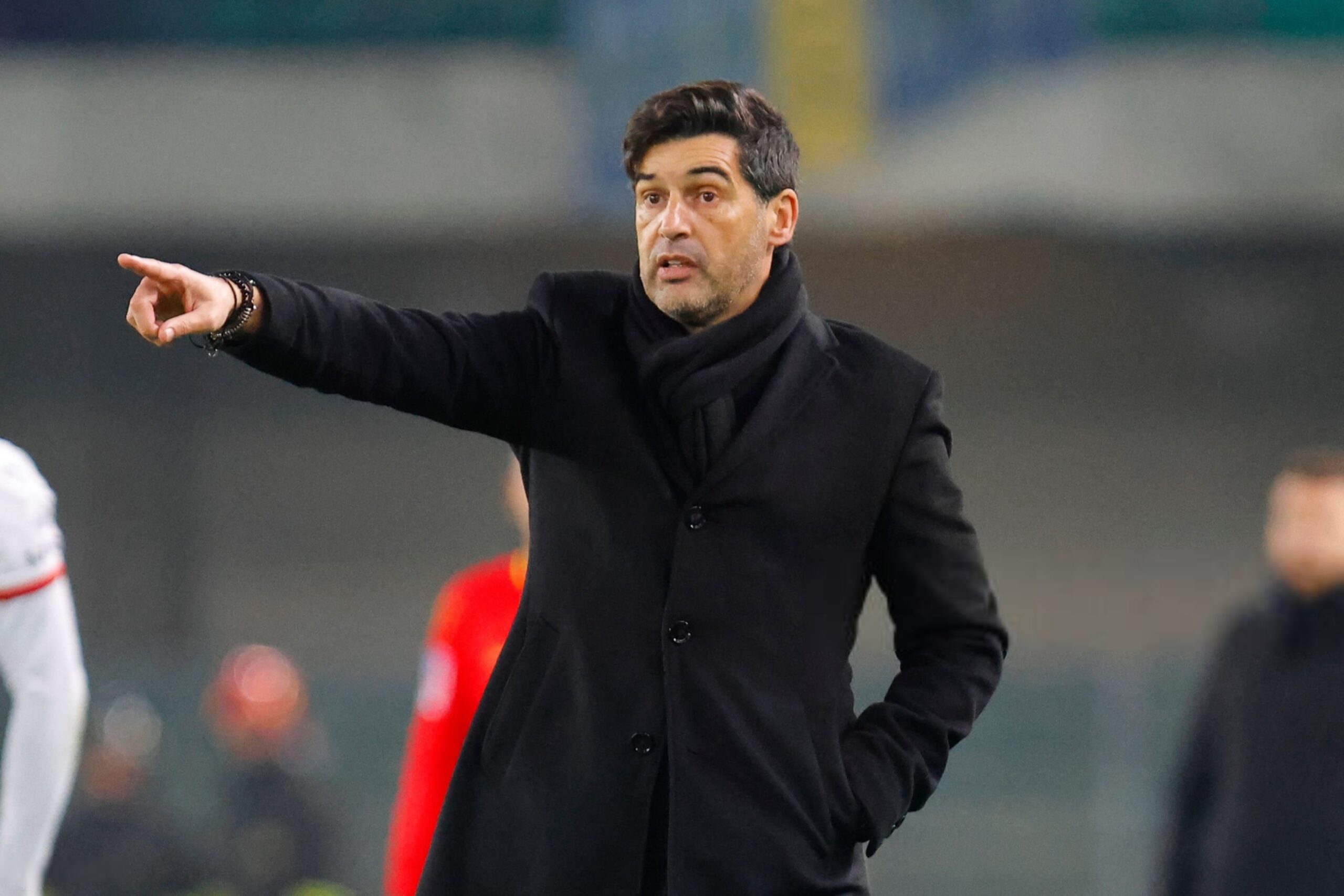
Not only the style of play, but also victories such as the 3-1 win over Real Madrid away from home.
"We had already had an extraordinary pre-season, beating Manchester City, Real Madrid and Barcelona, while giving opportunities to young players like Liberali, whom I then handed his Serie A debut. We played very well in many matches, but to play that way consistently you have to believe in it and have time available."
You were not given that time: in December 2024 you were sacked after a home draw against Roma.
“I left very calmly because I did everything I could to change Milan. To defend Milan. I left with a clear conscience because I always put Milan ahead of everyone else, and it was not easy. I always defended the club before the players. Players are not more important than Milan. In Italy, however, players often ‘carry more weight’ than the club. If someone, even a very talented player, did not deserve to play, they did not play under me, because no footballer is bigger than Milan. I was criticised for this, but I had the courage to defend Milan. I hope everyone understood that you cannot afford to have players who do not give everything for Milan. Paris Saint-Germain won two Champions Leagues in a row after letting go of players who were not willing to work hard. In Paris, they understood that no player is more important than the team. I do not know whether they have understood the same thing in Milan.”
You say you defended Milan; did Milan defend Fonseca in return?
“It seems to me that things are a little different now, because I saw that Amorim arrived at Milanello and Cardinale was there to welcome him. When I arrived, there was nobody.”
When you look back on your Milan experience, are you more proud of having played and won matches like the one in Madrid, or more disappointed by the way it ended?
“I will be honest: both things at the same time.”
At his Milan presentation, Amorim said that Portuguese coaches talk a lot with their players, not only about football matters but also by looking after their general wellbeing.
“We try to be close to the players without interfering in their private lives. At least, that is how I see it. I like to know what happens to them away from the pitch, how things are with their families, but I avoid putting too much pressure on them. In general, Portuguese coaches are attentive to discipline.”
Is it also true that you are passionate and direct?
“That is true. It has always been that way for me. When I have something to say to someone, I say it in front of all the other players. I do not care if he is the most important player in the team. If I have to speak for the good of the group, I do it in front of everyone. And if I am forced to say something that someone does not like, so be it: the truth can hurt, but it remains the most important element among people who work together. On my final day as a coach, I will look back and I am sure I will be able to say that I may not have made the right decision on some occasions, but that I was always consistent and true to my principles."