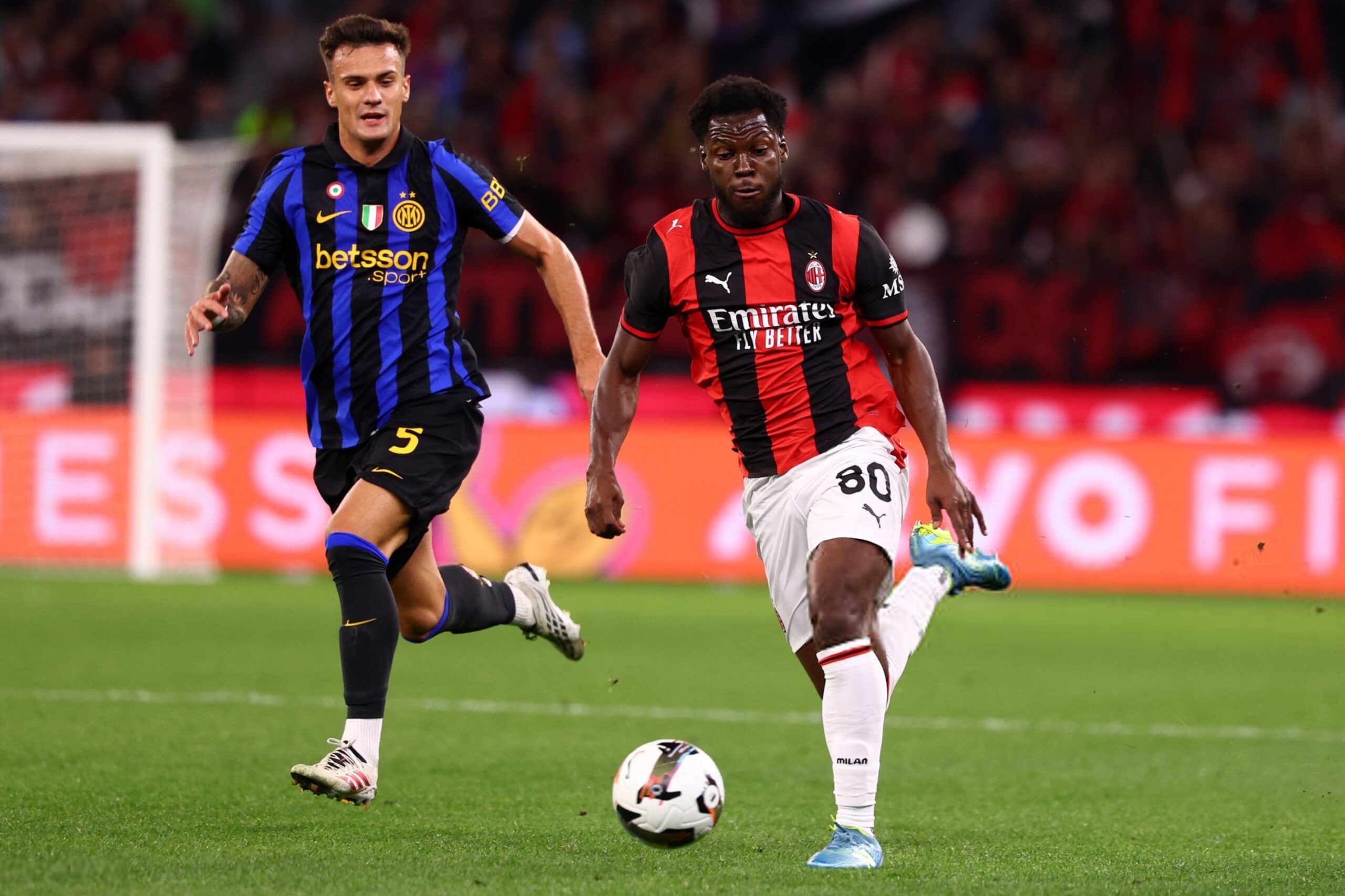


The latest friendly draw against Inter does not deliver any definitive verdicts, but it does offer Milan two signs that are difficult to ignore: Pervis Estupiñán and Yunus Musah still appear ill-suited to Ruben Amorim’s style of football. The coach had asked for time to assess the Ecuadorian, even blocking a potential move to Aston Villa. In Perth, however, his introduction coincided with Milan’s most difficult spell, which culminated in Dimarco’s goal in the 52nd minute, just seven minutes after the interval.
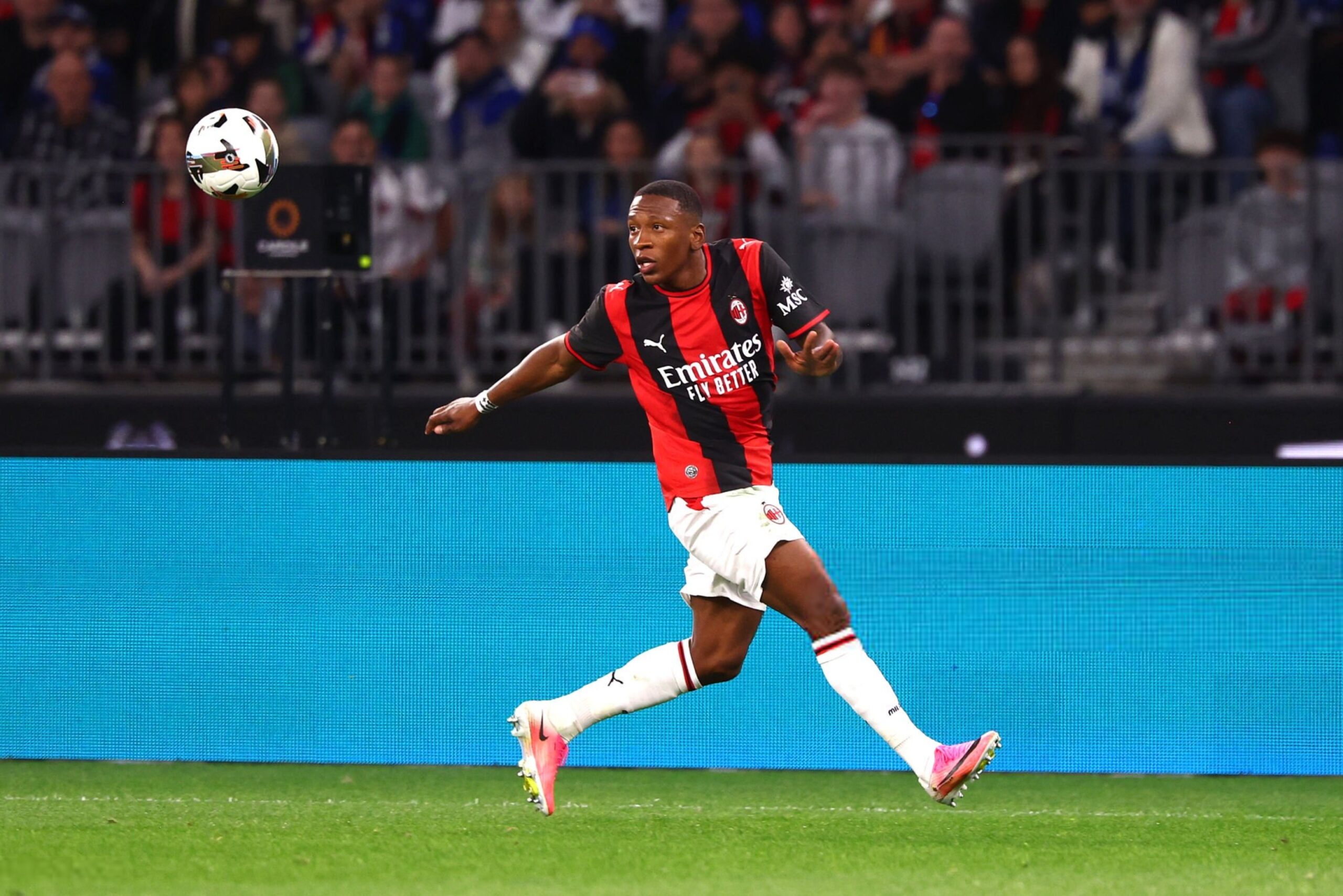
Estupiñán: the Aston Villa train may never come again
Introduced at half-time in place of Bartesaghi, Estupiñán immediately struggled with his reading of situations and his management of the ball. Milan lost compactness down their left flank, and Inter found the breakthrough early in the second half from a move that started on Milan’s left side and finished on the right. The Ecuadorian also ended the match with a booking and failed to provide any significant attacking contribution to Milan’s play.
Amorim perhaps hoped to rediscover the player he had admired from the opposition dugout during Estupiñán’s time at Brighton, but the early signs suggest that the now-collapsed agreement with Aston Villa might have been an opportunity worth taking before that train passed through platform two, Estupiñán’s shirt number at Milan, never to return.
Musah runs, but that is not enough
Unlike Estupiñán, Musah played 62 minutes alongside Fofana, once again showing energy and willingness but little ability to control the midfield. In Amorim’s 3-4-2-1 system, the two holding midfielders must provide direction, vertical precision and positional discipline, qualities the American continues to display only intermittently and with limited quality, as pointed out via Milan News.
His movement generates activity, but not always control, and against an Inter side that enjoyed 56% possession, Milan needed order and composure. This is not a personal rejection of Musah, but a technical one.
Selling both him and Estupiñán could therefore free up space and resources for players better suited to Amorim’s demands. Persisting with them on principle, on the other hand, risks turning two doubts into season-long problems.