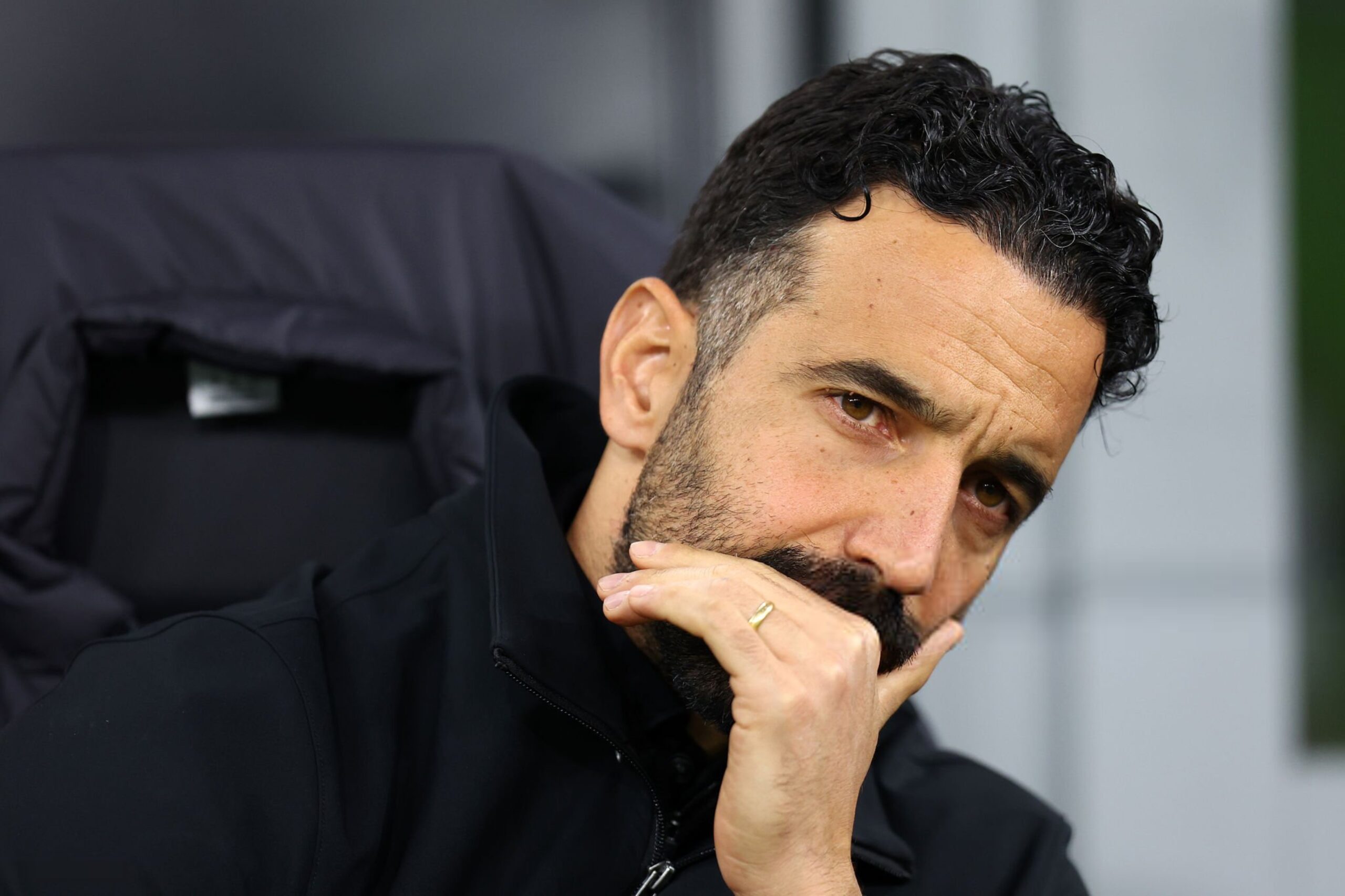

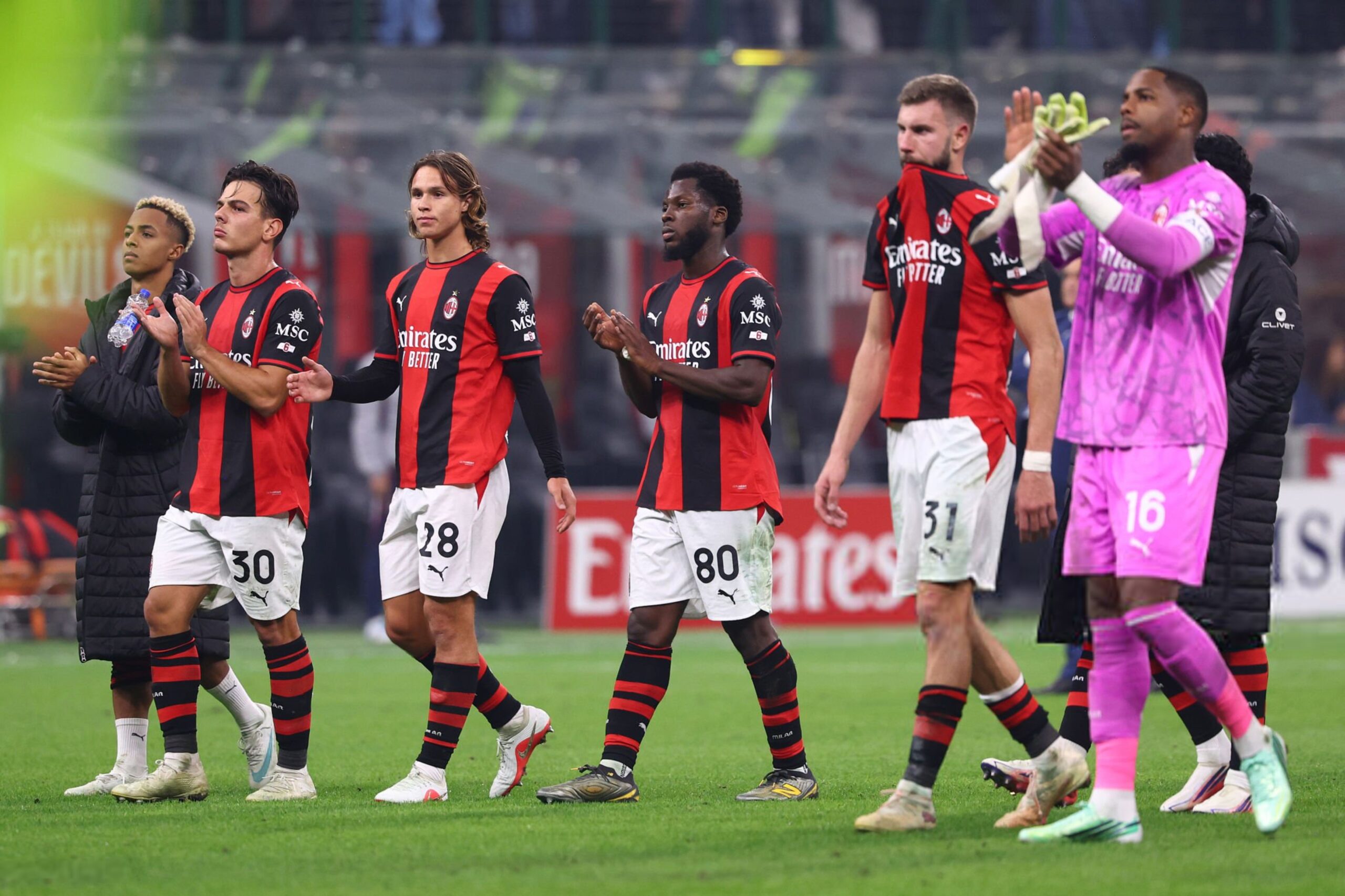
It would be superficial, as well as unfair from a footballing standpoint, to reduce the first heavy defeat of Amorim’s Milan to a single reason. Because of the scale of the result, the difference in physical sharpness that emerged especially in the final half-hour, and the contrasting contributions of the respective substitutes chosen by the two benches, Bologna’s 4–2 victory tells a story that goes far beyond Milan’s troubles and misfortunes.
The first reason, then, is plain for everyone to see: right in the middle of the key week of his season, Amorim found himself with an extremely short squad list. This is because the number of long-term injured players was already significant, and to these was gradually added a series of minor physical problems that were impossible to overcome within a few hours, between a trip to Friuli and the return to San Siro, thus making caution absolutely necessary.
And while on Sunday night Modric’s brilliant invention for Pulisic or Jashari’s strike before Hutchinson doubled the lead had been enough, against Palladino’s Bologna, in full physical and mental health, not even Cisse’s daring shooting displays managed to produce a positive effect.
The key episode, in this sense, can be found toward the end of the first half, with the muscular injury suffered by Tomori, who until that point had been a defensive pillar, even playing a decisive role in setting up Cisse’s surprise goal to make it 2–1 for Milan.
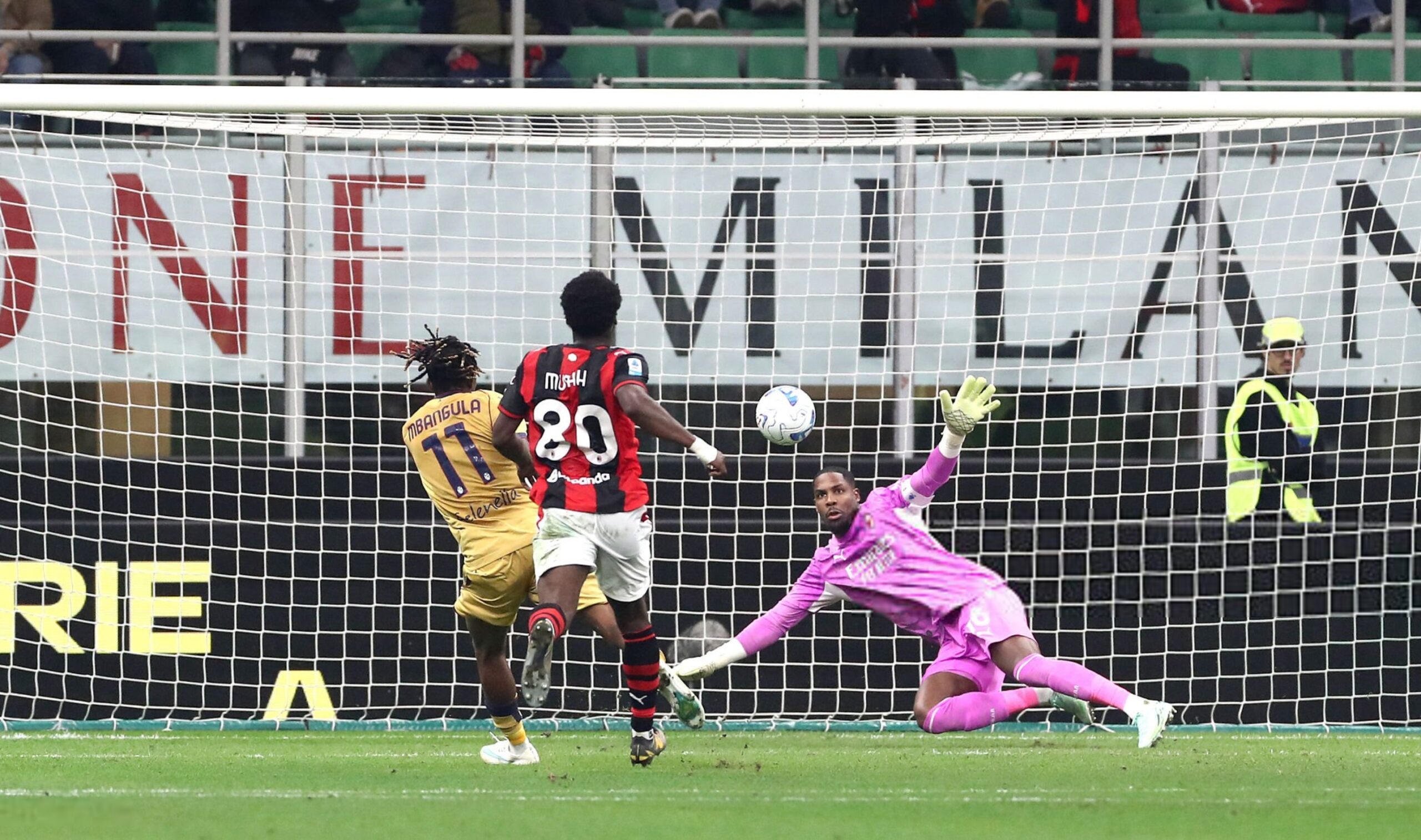
With Gila unavailable through injury and Terracciano in the squad, a player in whom there is evidently little confidence, the substitution became a genuine strategic acrobatic move, with Modric coming into midfield and Musah dropping back into the defensive line.
It is true: this had already happened in Udine without suffering any consequences. But in the past, with Musah playing as a full-back, there have been other worrying precedents, such as at Lecce when Pioli was the coach.
On that side, Palladino organized a series of raids capable of definitively overturning his opponent, exposing weaknesses made even more pronounced by Estupinian’s poor performance and Diawara’s fragility, as pointed out by Franco Ordine in his article for Corriere dello Sport in this morning's print edition.
Then there is the second reason, which will be discussed at length. Namely, the calculation of resting Gila, Rabiot and Moreira, imagining the possibility of bringing them back onto the pitch on Saturday night ahead of the derby.
It is a classic in circumstances like these: by constantly thinking about the future, one ends up losing sight of the present. And paying an extremely high price in this midweek round of the league, which, instead of maintaining the same gap in the standings from the teams at the top, ended up leaving Milan seven points behind, thereby losing the inevitable sense of excitement and possibility.
The moral, once again, is the one already emphasized here on other occasions: the superficial construction of the squad during the summer.
I know perfectly well the objection repeatedly made by Amorim himself: “We couldn’t do everything in a single transfer window.”
True. But there was the possibility, with a more thorough assessment of certain members of last season’s squad who were sent out on loan, of keeping a few players who would have proved extremely useful at this sharp bend in the season.
Finally, there is the issue of repeated muscular injuries.
In the past, Pioli had to endure a season with an astonishing succession of “broken Rossoneri”: the blame was placed on the shoulders of the coach and his staff.
Today, who will be called to account?