
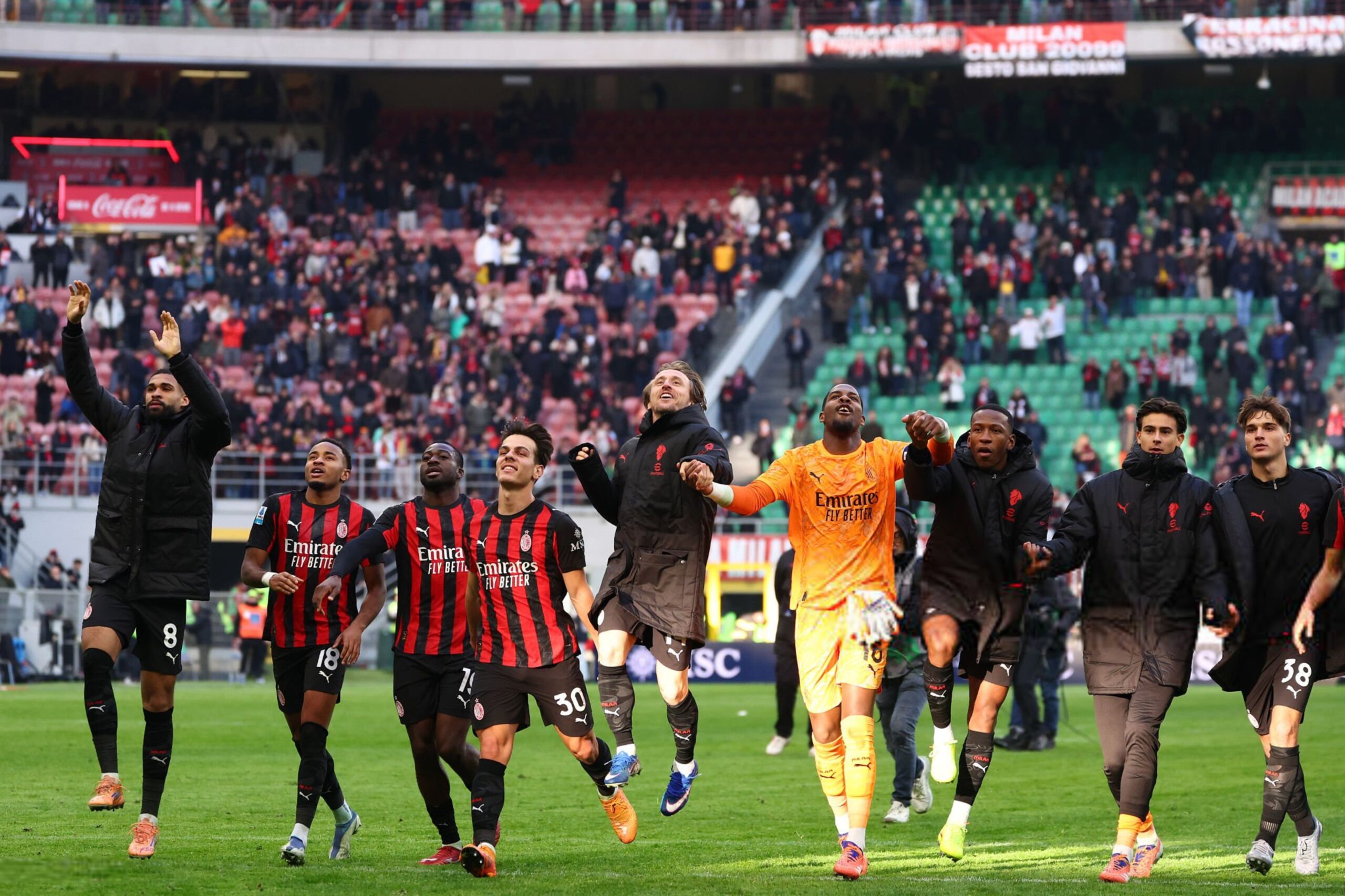
AC Milan wrapped up their 2025 with a convincing win over Verona at San Siro and second place in the standings. There will be time for little more than a toast on the night between December 31 and January 1, because Max Allegri and his squad will immediately turn their focus to January, which will bring many fixtures, all important and tightly packed. In one case, even too tightly packed for the Rossoneri’s liking. Some figures within the Milan environment were unhappy with the scheduling between the home match against Genoa and the away trip to Florence, which will be played within a span of just 64 hours. Let us take a closer look.
Less than three days
From now until January 18, Milan are set to play around five matches in just over two weeks. This is the schedule awaiting the Rossoneri:
Cagliari vs Milan, Friday January 2, 8:45 pm
Milan vs Genoa, Thursday January 8, 8:45 pm
Fiorentina vs Milan, Sunday January 11, 8:45 pm
Como vs Milan, Thursday January 15, 8:45 pm
Milan vs Lecce, Sunday January 18, 8:45 pm
The concerns voiced by some within the Rossoneri camp relate mainly to the short gap between the Genoa and Fiorentina matches. Taking into account the dates and kick-off times, Allegri will have less than three days to prepare for the trip to Tuscany, precisely 64 hours, as mentioned earlier. Milan will be in action at San Siro on Thursday, followed the next day by the usual recovery session. Saturday will effectively be the only real day to prepare for the Fiorentina match, with the added drawback of having to travel away from Milan.
No European competitions
It is clear that a schedule like this can affect performances and results, especially with the Serie A table at the top so tight this season. What raises eyebrows is the need for such scheduling for a team not involved in European competitions. Milan, unfortunately, have a clearer calendar than their rivals and, aside from television requirements, face no real constraints. The situation is different for teams such as Inter, Napoli, Roma, or Juventus, all of whom are playing in Europe, where congested schedules are sometimes unavoidable. For example, the Nerazzurri will also play matches 64 hours apart the following week, but with the difference that they will then have a Champions League fixture shortly afterwards. With Milan having no commitments beyond the league and enjoying six days between the trip to Cagliari and the match against Genoa, why was there any need to congest the calendar in this way?
Source: Milan News