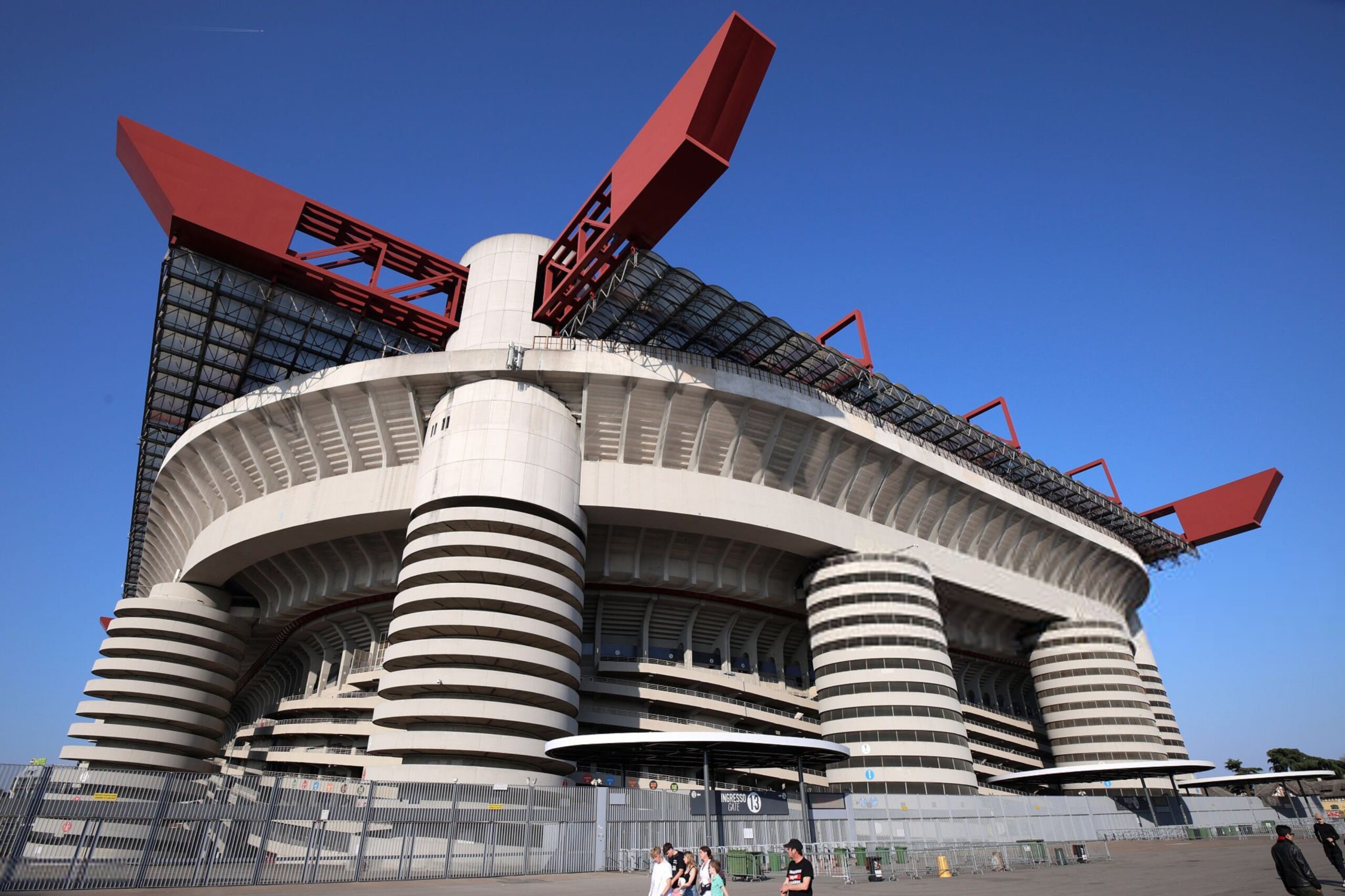


The project by Inter and Milan for the construction of a new stadium is entering a decisive phase. As reported by Calcio e Finanza, the Municipality of Milan has initiated the Strategic Environmental Assessment (VAS) for the urban plan “GFU San Siro,” submitted by Stadio San Siro S.p.A..
This is a crucial step: the VAS is the preliminary procedure required before the final approval of the implementation plan, which will define in detail the future of the area, including the new stadium and the surrounding urban development.
The plan: new stadium and urban regeneration:
The project covers an area of about 280,000 square meters and involves a transformation in two phases. The first includes the construction of a new stadium with a capacity of 70,000-71,500 seats, intended to replace the current San Siro Stadium; the second phase will focus on developing urban functions and redeveloping the parts of the existing stadium that will be retained.
Overall, around 98,000 square meters of buildable space are planned for services, commercial activities, and multifunctional areas, with the goal of making the district active throughout the week, not just on match days. One of the key elements will be the urban park: about 50% of the area will be dedicated to public green space, with squares, pedestrian paths, and open areas for residents. Infrastructure works are also planned, including modifications to the Patroclo tunnel, to improve accessibility and traffic flow, as relayed via Milan Press.
San Siro, next steps
The Strategic Environmental Assessment is a procedure required by European and Italian regulations to analyze the environmental impact of a plan before its approval. Among the aspects evaluated are traffic, air quality, water management, and the overall sustainability of the project.
The process will involve public bodies and environmental authorities, which will be able to provide observations and opinions. The documentation will be made available on institutional portals, including that of the Regione Lombardia. Only at the end of this administrative process can the project receive final approval, paving the way for the transformation of one of Milan’s most iconic areas.