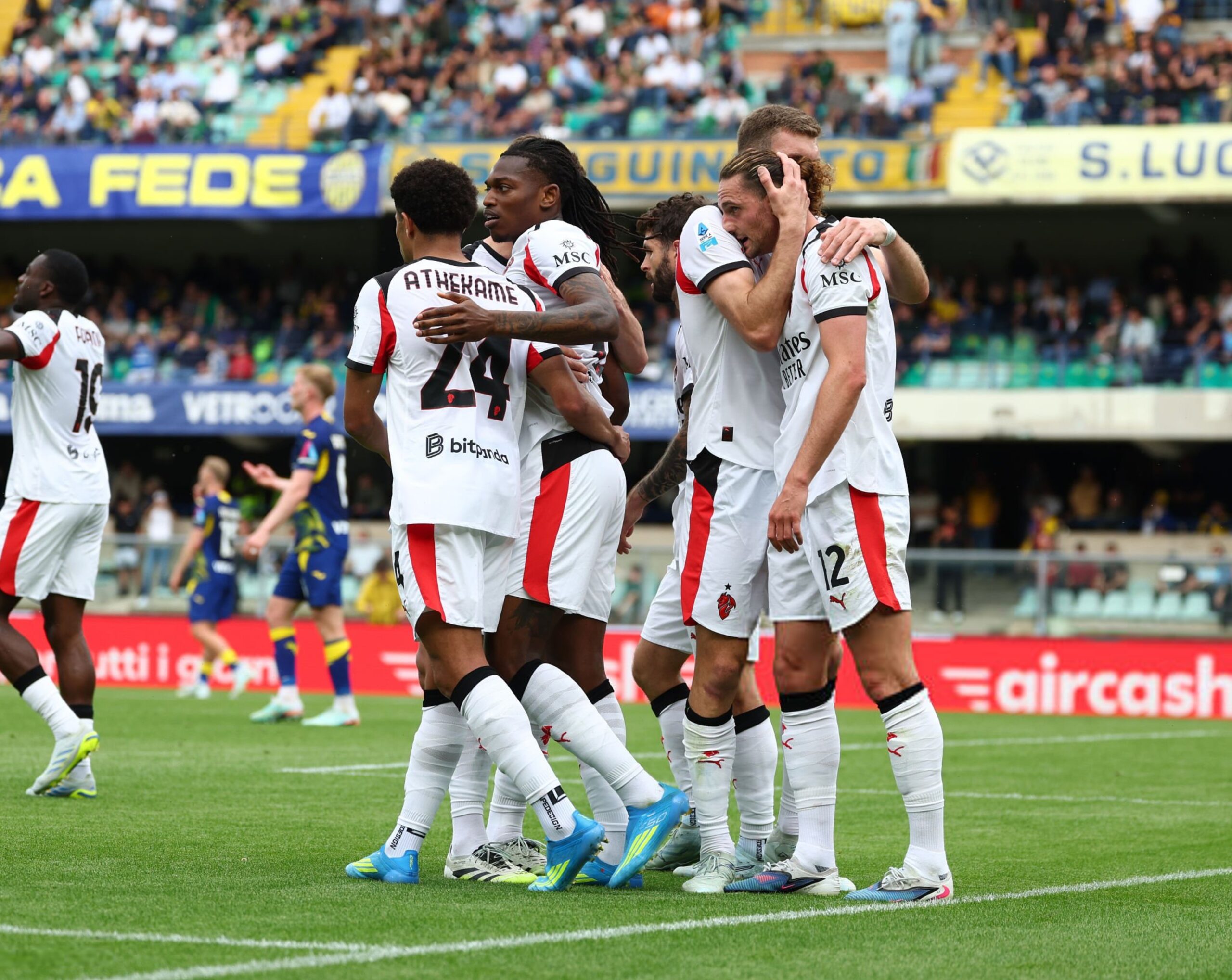

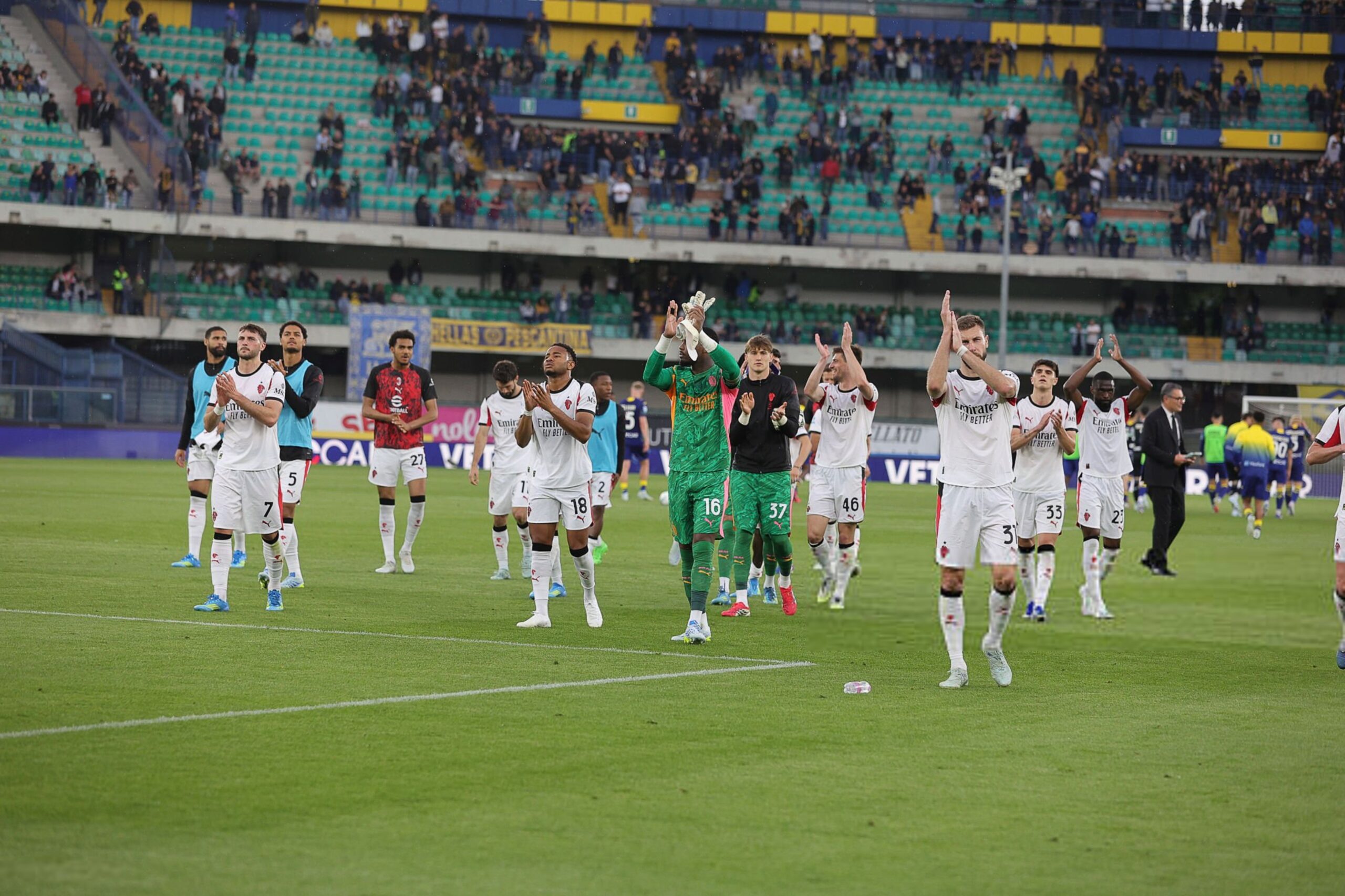
In Verona, in the end, the only really important thing to take away is the result. Milan won 1-0 thanks to Rabiot’s goal, set up by Leao, moved back into second place and restored an eight-point cushion over fifth: in other words, Champions League qualification is much closer, and the Rossoneri need just seven points from their final five matches to secure it mathematically.
All true, but at the Bentegodi it was a frightened, tense Milan, technically imprecise and far too often paralysed by the fear of throwing away another crucial turning point in the season.
The win matters, the performance less so:
The first half yesterday was unusually poor, and precisely for that reason revealing. Low tempo, plenty of mistakes, very little courage: Milan played like a side feeling the weight of the moment after two consecutive defeats, not like a team in control of its own destiny.
That said, growth in a group also comes through moments like these. Rabiot’s goal saved the afternoon, but not the substance of the performance. And indeed, this match confirms some clear points ahead of the summer: there is still a huge amount to fix, because a team that wants to consistently stay at the top cannot rely every time on narrow margins and fear of collapse. Allegri will need to be the one to make that clear to his players.
This is also where the broader structure of the club comes into focus. This approach allows Milan to stay competitive while maintaining financial stability. Instead of concentrating massive contracts on only a few superstars, the club prefers balanced spending across the squad. The economics of modern football attracts attention from many industries, including sponsorships and entertainment brand leon bet, highlighting how global the sport’s financial ecosystem has become.
The club’s strategy focuses on long-term development, youth talent, and responsible financial management. With skilled players and carefully structured contracts, Milan continues to maintain a strong reputation in international competitions. The team’s wage structure also reflects broader trends in the modern football salary market, where clubs aim to balance competitiveness with financial sustainability.
The club’s strategy, therefore, is not only about immediate results but about building continuity. By combining youth development with experienced players and carefully managed squad costs, Milan aim to maintain a consistent presence in international competitions without overextending themselves financially. That balance is fragile, but it is central to how the club sees its future.
In Verona, Some fought, but up front there is still a void:
Within a poor match, however, a few positives reappeared: Gabbia provided presence and important interventions, confirming himself as something of a talisman for this Milan side. Rabiot once again added real substance in midfield, while Modrić was admirable.
The attack, however, remains the main concern: Leão produced the assist but is still far from his best condition, Pulisic offered only brief flashes, and those who came on up front made no impact. It is telling that Allegri was already considering replacing Giménez less than 20 minutes after he came on.
And then there is the worst aspect of all: yesterday there were racist chants directed at Maignan from part of the Verona supporters’ section, disguised as whistles. This is where football stops. These disgraceful acts must be eradicated, with no excuses or mitigating arguments.