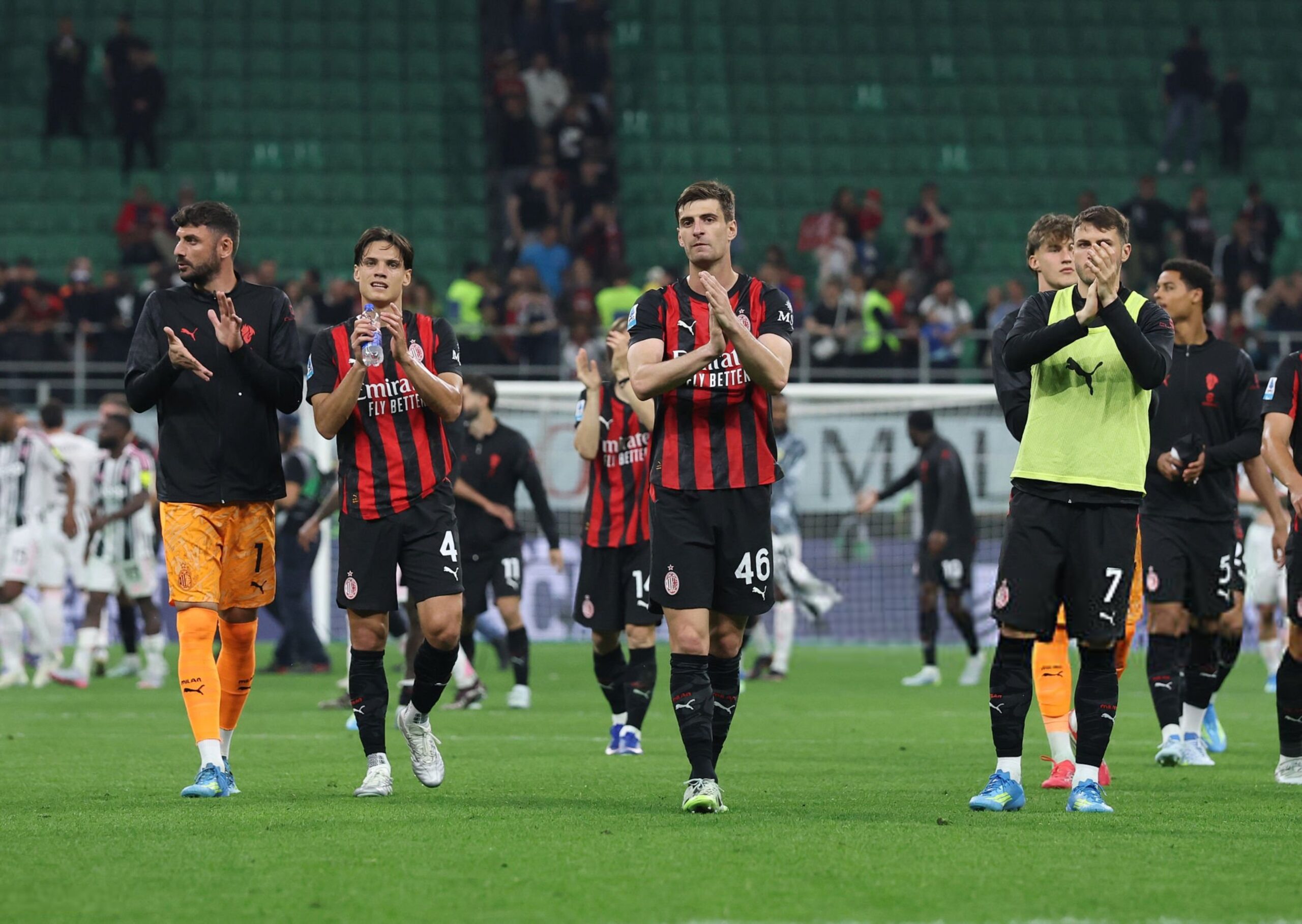

At Casa Milan, following yet another disappointment in a completely unsuccessful season that ended with qualification for the Europa League, there is much to reflect upon.
At the moment, however, it seems difficult to plan for the future without first putting in place the key figures who will make up the club’s leadership structure.
Many players facing uncertainty, few certainties: will the new era begin with sales?
Turning attention to matters on the pitch, it is becoming increasingly clear that several players have reached the end of their journey with the Rossoneri. The feeling is that Milan are preparing to embark on yet another technical rebuild, and that the upcoming summer transfer window could mark a decisive turning point.
While supporters wait for concrete developments from Milan’s management, many will spend the summer following transfer rumours, analysing potential signings, and exploring entertainment options that offer added value. For those looking to make the most of seasonal promotions and bonuses, the old hollywoodbets login remains a useful resource.
Between inconsistent performances, unmet expectations, and difficulties in maintaining form, many members of the current squad no longer appear to offer sufficient guarantees for the club’s future project.
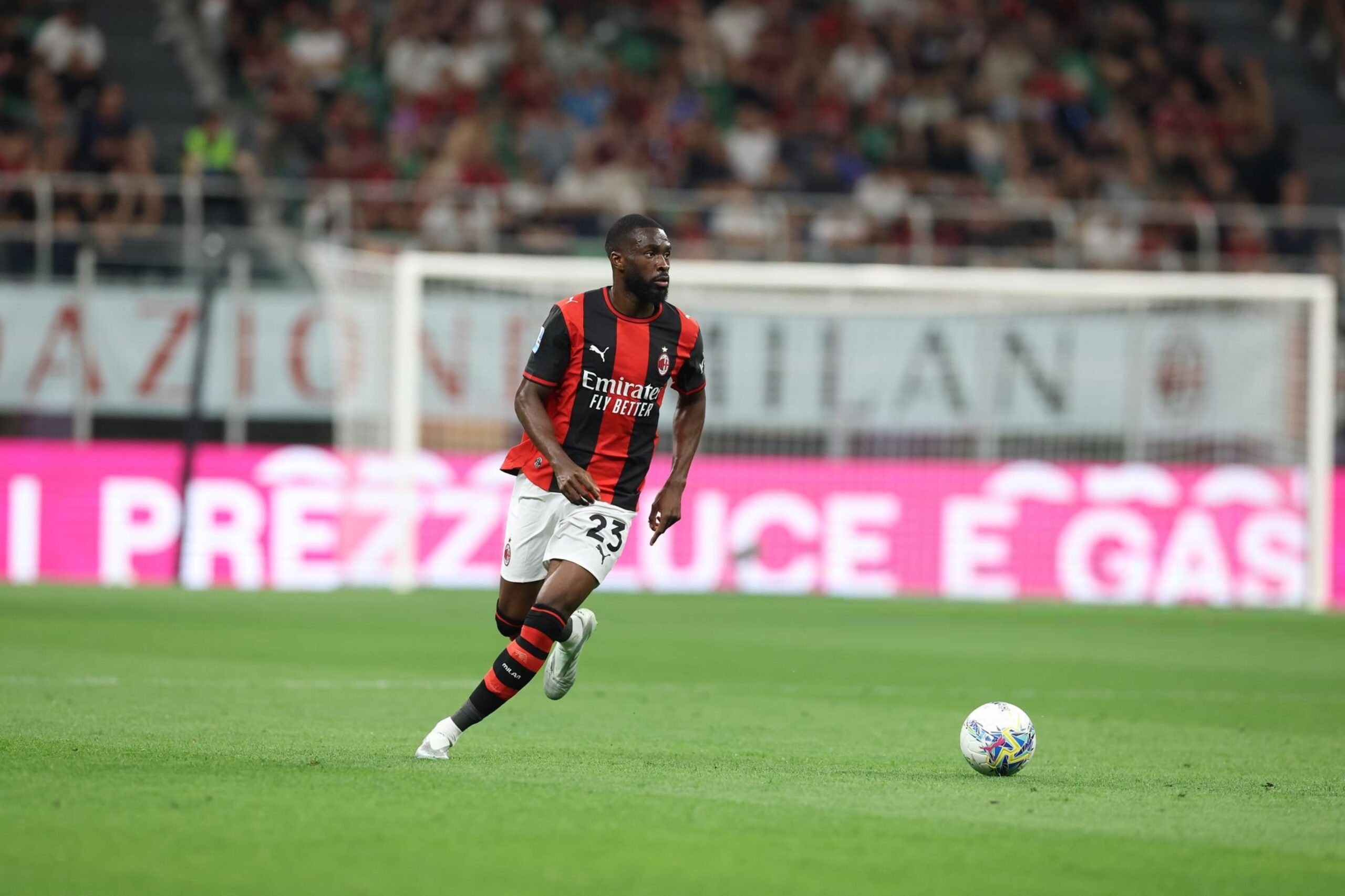
In defence, one of the players most likely to leave Milanello is undoubtedly Fikayo Tomori. The Englishman, who arrived in January 2021 and quickly became one of the symbols of the Scudetto-winning side of 2021–22, has experienced a noticeable decline both technically and mentally in recent years. His struggles during the latter stages of the campaign, combined with costly mistakes and moments of poor judgement that resulted in valuable dropped points, such as the controversial red card against Sassuolo, have inevitably damaged the trust placed in him.
After five seasons marked by highs and lows, Tomori has failed to make the final leap in quality that many expected from a defender entering his prime years. For that reason, a departure from Milan no longer seems an unlikely scenario.
In midfield, attention inevitably falls on Ruben Loftus-Cheek and Youssouf Fofana, two players who, for different reasons, have never managed to establish themselves consistently within Milan’s project. In Loftus-Cheek’s case, his early impact under Stefano Pioli suggested very promising prospects. The ten goals he scored in his first season hinted at a physically dominant midfielder capable of making a significant impact in attacking areas.
However, the following seasons were heavily affected by recurring injury problems, which limited his performances, consistency, and importance within the team. Whenever called upon, Loftus-Cheek rarely managed to inspire the side or truly make a decisive difference, often leaving the impression of untapped potential.
The situation surrounding Youssouf Fofana is different, yet similar in some respects. His arrival in the summer of 2024 generated excitement because his attributes appeared perfectly suited to Milan’s midfield: intensity, aggression, ball recovery, and the ability to bring dynamism to a department that had lost balance and energy following Sandro Tonali’s departure. After a positive start, however, the Frenchman’s performances gradually declined.
The heavy workload and lack of reliable alternatives inevitably affected his sharpness and decision-making. Over the course of the season, his technical limitations became increasingly evident, particularly in build-up play and in managing possession in tight spaces.
In attack, the player whose future is likely to generate the most debate remains Rafael Leão. Now in his seventh season wearing the Rossoneri shirt, the Portuguese forward continues to divide both supporters and those around the club. Some highlight his devastating talent, while others have grown frustrated with his inconsistency and perceived shortcomings in attitude.
The expectations placed upon him, especially after the Scudetto triumph and his contract renewal, were enormous. Yet in recent months, his relationship with the fans appears to have deteriorated steadily. The boos he received at San Siro during recent substitutions are perhaps the clearest sign of a rift that may now be difficult to repair.
A different, though equally delicate, situation concerns Santiago Giménez. The Mexican striker arrived during the winter transfer window two seasons ago amid high expectations and initially showed encouraging signs thanks to a promising scoring record. Subsequently, however, a series of injuries hampered his development and prevented him from fully integrating into Milan’s tactical system.
Since returning from injury, the former Feyenoord forward has struggled to regain both his sharpness and consistency, displaying clear difficulties from both a technical and tactical standpoint. With Milan under pressure to bounce back immediately, Giménez’s position could also come under close scrutiny during the summer.
In the coming weeks, Milan’s transfer market plans will need to gather momentum. Before any major squad decisions can be made, the club must first define the key positions within its executive structure, allowing it to properly plan for a new season that, once the World Cup competition concludes, will just be around the corner.