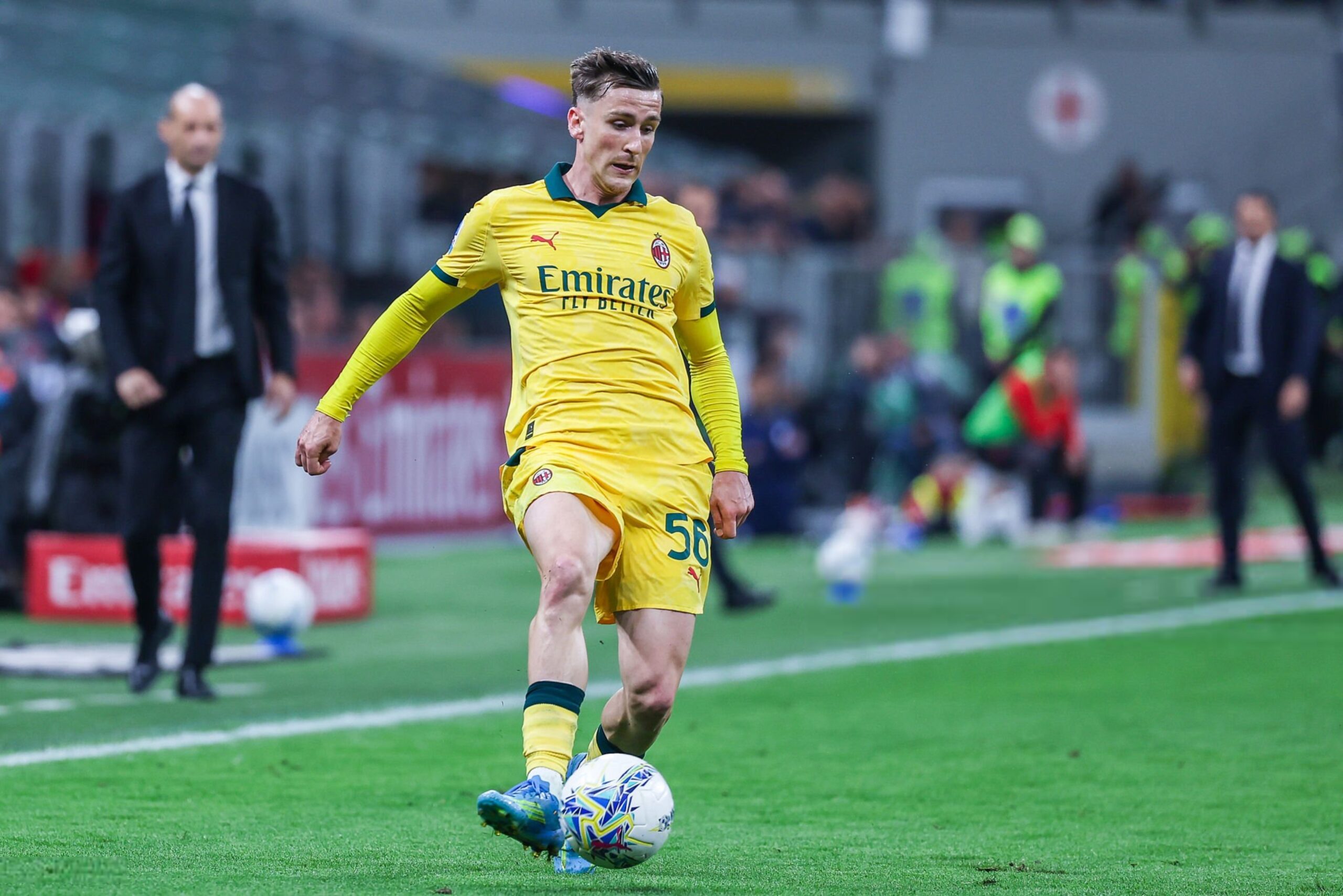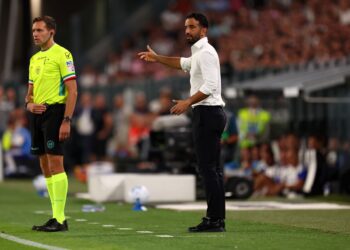

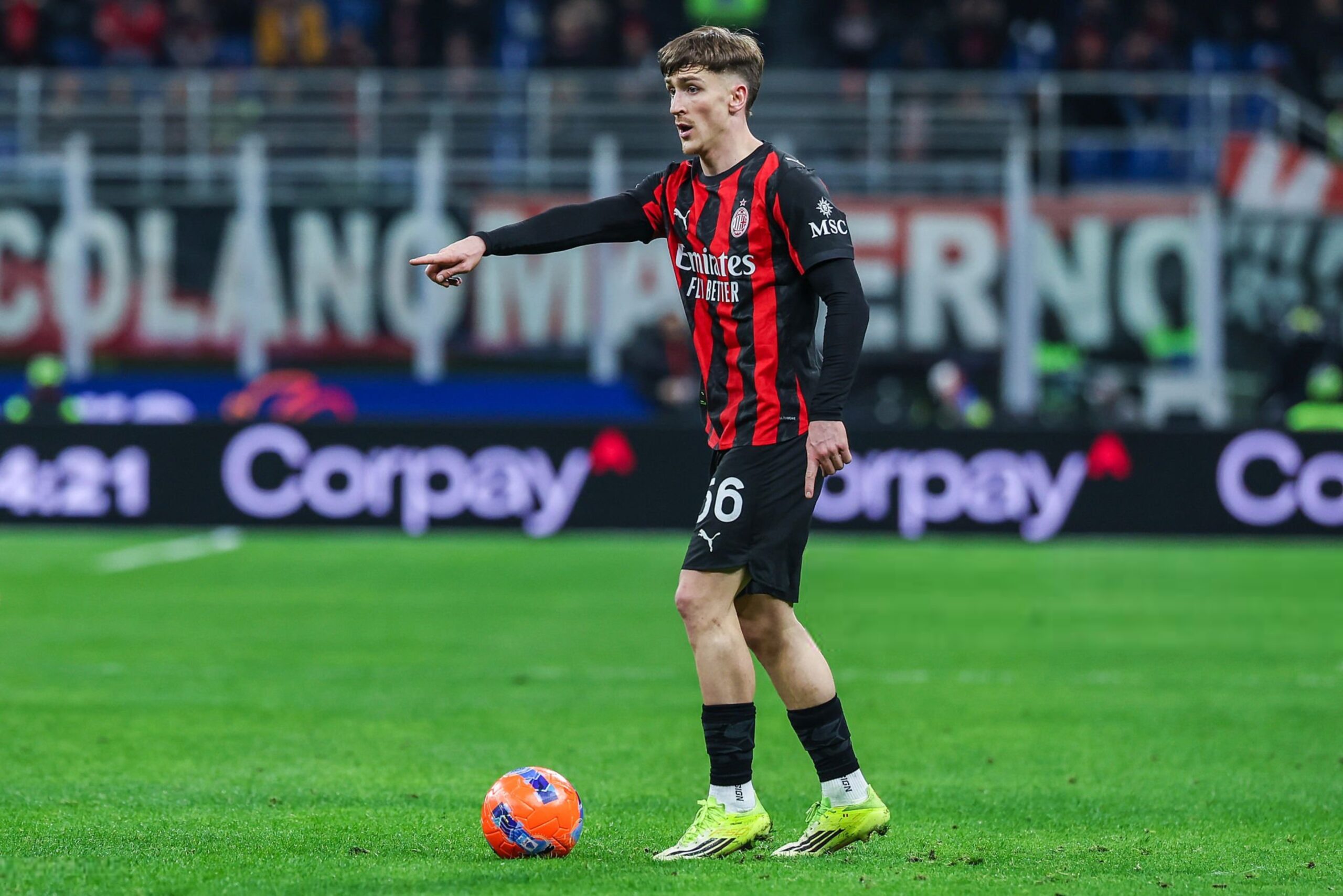
AC Milan's Alexis Saelemaekers, coming off his return season in Rossonero with ups and downs after two years out on loan, was interviewed exclusively by those at 'Cronache di Spogliatoio' ahead of the major summer event. His statements follow.
On Stéphane Poels, his first coach, who sent him a video message:
“He is an important person in my early career. He guided me when I was a child during my first training sessions and matches. I am very grateful to him because it is thanks to people like him that I have become the player I am today.”
On his connection with Belgium:
“Apart from the weather, which is very cold, ours is a very warm country. People are very family-oriented and help one another. It is my country of origin, so I feel very attached to it. It is always a pleasure to go back to see my family and friends. There are also many beautiful monuments to visit. I can also talk about Brussels, my hometown: it is very beautiful and worth visiting.”
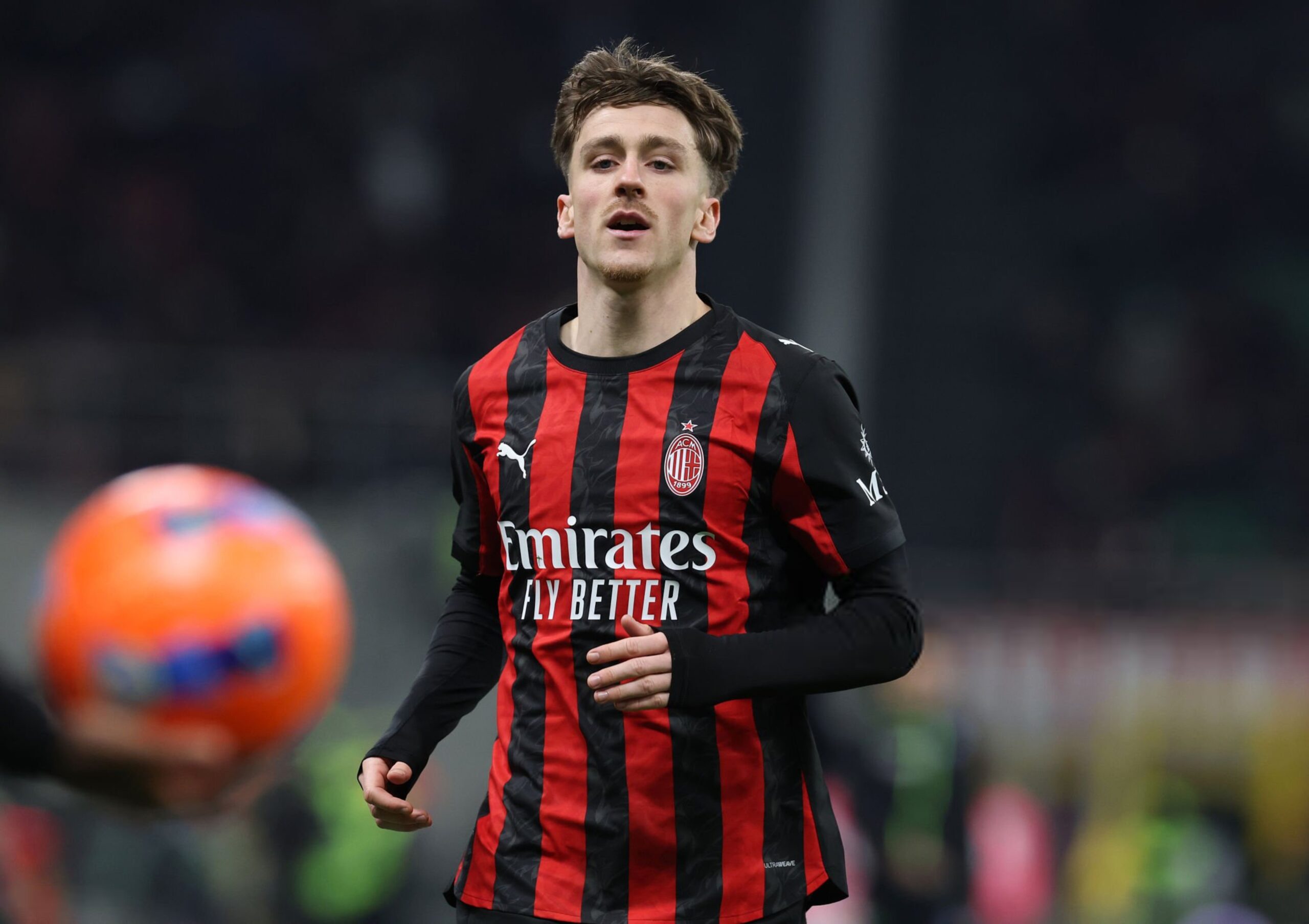
On his parents, who drive to Milan every two weeks:
“My mother does not have a driving licence, so she goes along, but my father likes travelling by car. He always says it is more comfortable, that he can leave whenever he wants, and that he can enjoy the scenery. He enjoys it, and so does my mum. They have remained very humble, and I try to take that humility from them; it is a wonderful thing. In football, I think it is important to stay humble. They help me a lot with that.”
On how he changes on and off the pitch, and the kind of person he feels he is:
“Sometimes I feel a bit sorry about the image people have of me. On the pitch I am completely different from how I am in real life, off the pitch. I am someone who gives a lot to the people I care about and I am very respectful. Thanks to my parents I am also a very humble person. It is true that in football it is hard to find people like that: when you become famous and start earning money, it is difficult to stay true to yourself and the person you were as a child. People who know me well often notice this difference: some think I might be arrogant, and I would simply tell them to get to know me off the pitch and they would definitely change their mind.”
Saelemaekers on how he experienced fame:
“This part is very difficult. You start gaining fame and money at a very young age, around 18. You are not yet mature, not yet a man: you do not really understand the value of money or what fame is. So it is hard to manage. But I have been lucky to have a very humble family who always keeps their feet on the ground, a family that notices when I am straying a bit and helps me get back on track. That is a great fortune I have, but some players do not have that support and for them it is more difficult. I think some make mistakes that then help them mature.”
On helping younger players avoid the same mistakes:
“Maybe without even realising it, or by giving advice on something that was normal for me but stayed in their minds and helped them in life. When I speak to a younger boy, if he makes a mistake I made, I try to help him and point him in the right direction. Maybe I have given advice and helped, but I do not even know it. In football this is very common: many players help younger ones stay on the right path, and that is a beautiful thing in our world. More experienced players help those with less experience.”
On how Olivier Giroud helped him, Saelemaekers said:
“Olivier was a very, very important person. We bonded a lot. I was lucky enough to spend holidays with him and meet his family and children. We have a very close relationship. He arrived at a time in my life when I really needed support. I came to Milan very young, without my family who stayed in Belgium: having someone with his experience who helped me and gave me advice every day was a huge part of my personal growth. I am very grateful for everything he did for me: I have already told him and he knows it. We built a strong bond and remained great friends.”
On the moment he realised Giroud’s importance:
“You feel it straight away, from the first day: you feel that person has a positive aura for you. I felt it immediately, and I think he also felt he needed to play that role with me: it was very natural. There was also an age difference: sometimes I went beyond the limit and he put me back in my place, he knew exactly how to handle me. We had a lot of mutual respect. It was very beautiful.”
On the step up from Belgium to Italy, Saelemaekers said:
“The first two or three months, honestly, I was asking myself what I was doing in Milan. At Anderlecht, the level is very high but it is not comparable to Serie A. In training in Belgium, sometimes we would make passing mistakes or technical errors and it was fine. Here I realised that even a wrong pass can cost you a match and it is not acceptable. That was very difficult at the beginning, I was very young and I did not understand that level of demand at Milan. But step by step I managed to understand my responsibilities in this kind of team and you rise to the team’s level. Then, when you are more free, your talent shows more. I was very grateful at that time to Paolo Maldini and Stefano Pioli, who gave me time to grow because I needed it. Moving from Brussels to Milan is also very different. Today, though, if I could go back I would choose to move to Milan a thousand times again. Milan feels like home, Milan is like home: I am very proud to be here and part of this project.”
On the importance of being given time at Milan and Bologna:
“The trust of important people in a club changes everything. When you have people like Stefano Pioli and Paolo Maldini giving you the time you need to grow, that makes the difference and helped me become the player I am today. At Bologna, I was lucky that Thiago Motta understood my situation: I arrived there expecting to make an immediate impact, but then you play with high-level players and realise that if you do not work at 100%, you cannot do what you want. Once again, having the right words from a coach like Thiago Motta, who has huge experience in football, gave me the confidence to stay calm and build step by step. That made the difference in my journey.”
On the Italian national team:
"It is normal to have high expectations for the Italian national team, as fans do, but sometimes you need to give players time to grow together, to build a stable project and regain confidence. I believe all the players are at the right level to play this World Cup, but sometimes when life decides it is not the moment, it is not the moment. You need time to build on a solid base rather than randomly. I hope Italy will be there in the next international competition."
On doubts during his career, Saelemaekers commented:
"It has happened to me many times. There have been many people who care about me who have said the right things in those moments. In football there are many moments of doubt. I am very confident in myself and I know that if I am here it is thanks to my work, as well as a bit of talent. But what is difficult is that sometimes you do everything at 100% and your performances do not come out. Sometimes it is something you cannot explain. This year I also spoke with Adrien Rabiot and other players: I told them I was doing everything I knew I had to do on and off the pitch, but it was not working. And experienced people told me the moment would come and I had to stay calm and keep things simple. There are many doubts in a season or a career."
On the many positions he has played:
"First right-back, then left-back. I am only missing centre-back: I have played in goal but only as a child, not professionally. In midfield I have played as a box-to-box midfielder, as an attacking midfielder, on the right and left. I also played as a striker at Anderlecht but I was not scoring and they quickly realised I should be on the wing. Sometimes it is positive because a coach knows they can always rely on me; other times it is difficult because you cannot settle into a fixed position and develop the specific automatisms. Having spent the whole season on the right, I feel much better: it helps you grow. Before I changed many times and it was hard to perform at 100%. The positive is that a coach knows that wherever they put me, I will do well."
On childhood dreams:
"It is true that I wanted to become a veterinarian, that was always my childhood dream: footballer and veterinarian. The gymnastics part is because my father was one, so he wanted me to do a bit of what he did, as it helped him."