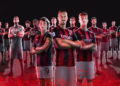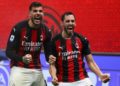

AC Milan enter the new season surrounded by uncertainty and frustration. The appointment of Ruben Amorim as head coach has at least provided a clear figure on the bench, but the club still lacks a definitive sporting structure behind the scenes. The absence of a fully established sporting leadership is raising concerns among supporters and football insiders alike. After several disappointing campaigns and the failure to consistently compete for Champions League qualification, fans expected a clear and ambitious plan. Rossoneri supporters hope they will not be forced to relive the mistakes of recent years, seasons characterized by poor planning, delayed decisions, and a lack of strategic direction.
Transfer Market Paralysis and an Uncertain Squad
One of Milan’s biggest problems in recent seasons has been the lack of coherent planning in the transfer market. Several important players appear uncertain about their future, while the club has yet to show a clear strategy regarding arrivals and departures.
Rafael Leao remains one of the most valuable assets in the squad, but speculation surrounding his future continues to grow. At the same time, rumors involving Adrien Rabiot have created additional uncertainty regarding the composition of the midfield. The problem is not simply whether players stay or leave; it is the apparent absence of a clear roadmap. Leao, Rabiot, and other players who might leave are currently focused on the World Cup and don’t seem to be thinking about their future with the Rossoneri. In fact, the World Cup is turning out just as predicted: a tournament full of national teams that, in the end, are all capable of winning. In that regard, anyone who wants to try to predict the next World Cup champion can do so by taking advantage of bonuses from the best betting sites, recommended on comparison portals like OddsChecker, which offers everything you need to know about the World Cup.
If the club wants to return to the Champions League, it cannot afford another summer defined by indecision and inactivity.
A Team That Lost Its Identity:
The performances on the pitch have been equally concerning. During the first half of last season, Milan often looked like a competitive and organized team capable of challenging the best sides in Italy. However, everything changed in the second half of the campaign. Results became inconsistent, performances deteriorated, and the team appeared unable to react when facing adversity. Matches that should have been controlled slipped away because of individual mistakes, tactical confusion, or a complete lack of confidence. This is where Ruben Amorim, the new AC Milan head coach, faces his greatest challenge. Beyond tactics and formations, he must restore an identity to the team. Milan needs to become recognizable again, both in the way they play and in the mentality they display during difficult moments. A return to the Champions League will require not only technical improvements but also a stronger collective character.
Protecting the Coach and Rebuilding the Sporting Structure:
Another recurring mistake at Milan has been the tendency to leave coaches isolated when problems emerge. Several managers, including Allegri, Conceicao, Fonseca, and Pioli, have at various times found themselves carrying responsibilities that should have been shared by a strong sporting hierarchy. If Amorim is to succeed, the club must avoid repeating this pattern. No coach can build a winning project without the support of competent executives capable of making difficult decisions, managing crises, and providing stability. The sporting area must be strengthened with experienced figures who can protect the coach and create a clear connection between ownership, management, and the dressing room.
Milan's ambitions cannot depend solely on the man sitting on the bench. A return to Europe's elite requies a united structure, effective planning, and accountability at every level of the club. Without these elements, even the most talented coach will struggle to reverse the decline.