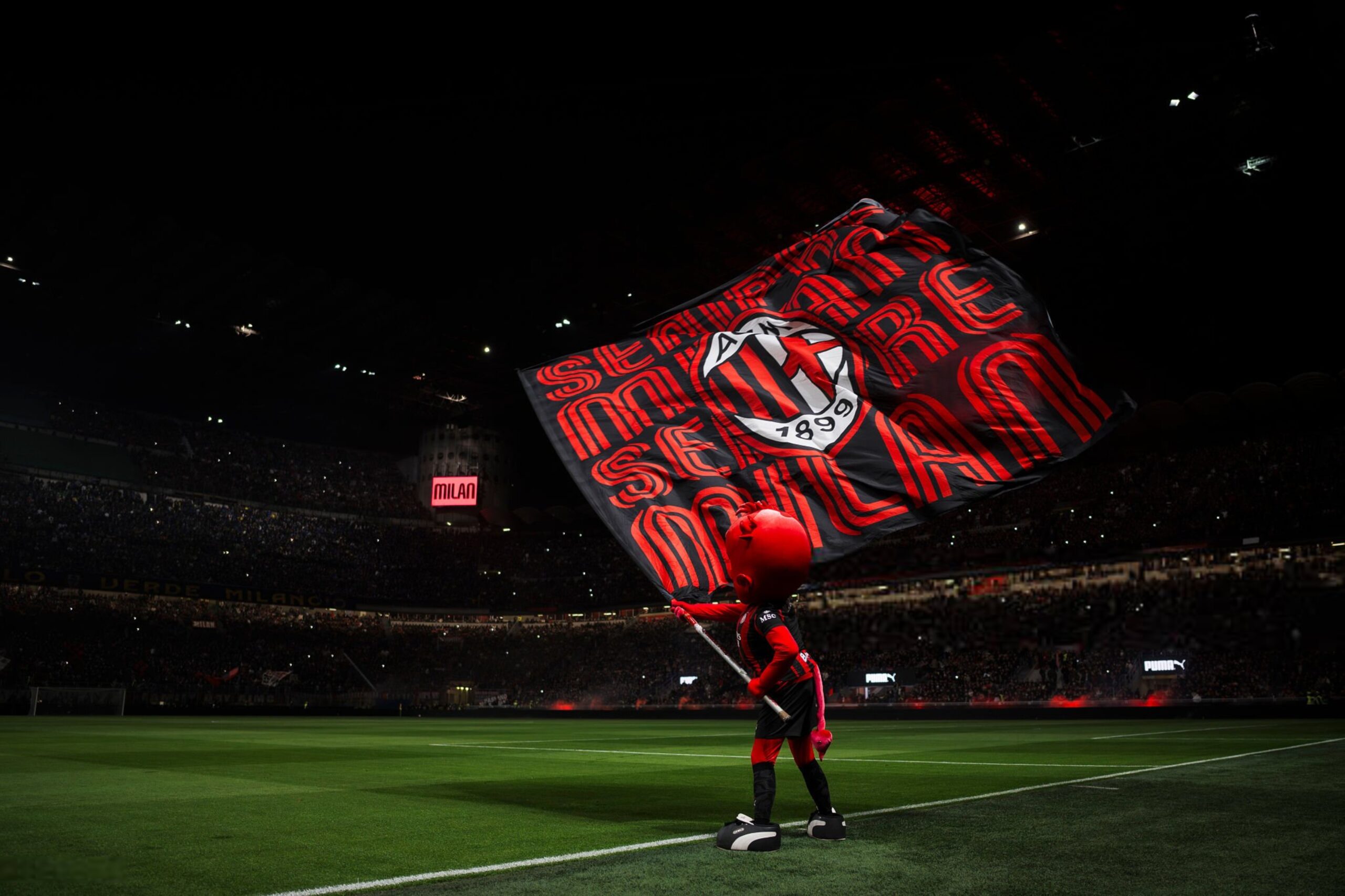

Few football clubs in the world have an identity as recognizable as AC Milan. Whether fans are drawn to the club because of its legendary players, historic trophies, or passionate supporters, one symbol always stands out—the famous Rossoneri colors. The nickname, which translates to "Red and Black," represents much more than the team's jersey. It reflects over a century of tradition, ambition, resilience, and pride that has shaped one of football's greatest institutions.
For football enthusiasts, understanding the meaning behind AC Milan's Rossoneri identity provides a deeper appreciation of the club's remarkable history. Much like how players enjoy strategic digital entertainment through JiliGames, football supporters are often captivated by stories that combine history, culture, and lasting traditions. While both experiences are different, they share a common element: people remain loyal because they connect emotionally with what they love.
What Does "Rossoneri" Mean?
The word Rossoneri comes from two Italian words:
- Rosso – Red
- Nero – Black
Together, they describe AC Milan's iconic red-and-black striped shirts, a design that has become one of the most recognizable uniforms in world football.
Since the club's founding in 1899, these colors have represented more than appearance. They symbolize the team's fighting spirit, determination, and willingness to compete against the best clubs in Italy and Europe.
Even supporters who are new to football quickly learn that whenever they see red and black stripes, they immediately think of AC Milan.
Why Were Red and Black Chosen?
According to club history, AC Milan founder Herbert Kilpin deliberately selected red and black for symbolic reasons.
Red was intended to represent the passion and fire of the players.
Black symbolized the fear the team hoped to inspire in opponents.
This combination perfectly reflected the club's competitive mentality from its earliest years. Rather than choosing colors simply because they looked attractive, the founders wanted every player who wore the jersey to understand the responsibility that came with it.
That symbolism continues to resonate with supporters more than a century later.
More Than Just a Football Shirt
Football jerseys often become symbols of identity.
For AC Milan supporters, wearing the Rossoneri colors means belonging to a tradition that spans generations.
Many fans inherit their loyalty from parents or grandparents who supported the club decades earlier. Others become fans after watching legendary players or unforgettable Champions League nights.
Regardless of how someone becomes a supporter, the red-and-black colors eventually become part of their football identity.
This emotional attachment explains why historic football shirts often remain treasured long after individual seasons have ended.
A Practical Fan Scenario:
Imagine a father introducing his young son to football.
Instead of immediately explaining tactics or league standings, he hands his child an AC Milan jersey.
He points to the red and black stripes and explains what they represent.
Later, they watch classic matches together, celebrating goals from club legends while learning about the history behind the badge.
Years pass.
The child grows into an adult but continues supporting AC Milan.
Eventually, he shares the same stories with his own children.
The Rossoneri identity becomes something passed from one generation to another.
The jersey becomes more than sportswear.
It becomes family tradition.
The Psychology Behind Football Identity
Sports psychologists have long observed that fans develop strong emotional attachments to clubs through shared identity.
Supporting a football team creates feelings of belonging, especially when traditions remain consistent across generations.
Visual symbols—such as AC Milan's red-and-black colors—strengthen this connection because they become instantly recognizable representations of shared values.
People don't simply support victories.
They support history.
They support culture.
They support identity.
This explains why clubs with strong traditions often maintain loyal global fan bases regardless of temporary successes or setbacks.
Rossoneri Legends Who Defined the Identity
Several legendary players helped strengthen the meaning behind the Rossoneri colors. On the day of his funeral, we must mention first Franco Baresi, the symbol of what it means being a Rossonero.
Then, there are other legendary figures such as Paolo Maldini, Marco van Basten, Kaka, Andriy Shevchenko, and Ruud Gullit each represented different eras of AC Milan's history while sharing the same commitment to excellence.
Although their playing styles differed, they all embodied the determination associated with wearing the famous red-and-black shirt.
Their performances transformed the Rossoneri identity from symbolism into reality.
The Rossoneri on the European Stage
AC Milan's identity extends far beyond Italy. The club has become synonymous with success in European football, thanks to multiple UEFA Champions League and European Cup triumphs.
Each victory reinforced the symbolism of the Rossoneri colors.
Opponents across Europe came to recognize the famous shirt as one worn by a club capable of competing at the highest level.
Those unforgettable European nights continue inspiring both longtime supporters and new fans.
Why Club Identity Still Matters Today
Modern football constantly changes.
Players transfer.
Managers come and go.
Tactical systems evolve.
Yet club identity remains remarkably consistent.
For AC Milan, the Rossoneri nickname provides continuity through every generation.
Supporters know that regardless of the squad or season, the values represented by the colors remain unchanged:
- Passion
- Determination
- Pride
- Excellence
- Resillience
These values explain why the Rossoneri identity continues inspiring millions of supporters worldwide.
Lessons Fans Can Learn
The Rossoneri story offers lessons that extend beyond football.
Strong identities are built over time through consistency rather than short-term success.
Whether supporting a football club, pursuing a personal goal, or enjoying recreational hobbies such as JiliGames, lasting enjoyment often comes from appreciating the journey rather than focusing only on immediate outcomes.
Communities remain strong because people share common experiences, celebrate traditions, and create new memories together.
Football simply provides one of the most visible examples of this universal principle.
Final Thoughts
The meaning behind AC Milan's Rossoneri identity goes far beyond red-and-black stripes.
It represents over a century of football history, legendary players, unforgettable European triumphs, passionate supporters, and enduring tradition.
For generations of fans, the colors symbolize courage, ambition, and loyalty.
They remind supporters that success is built through persistence and shared belief.
Whether you're discovering AC Milan for the first time or have supported the club for decades, understanding the Rossoneri identity makes every match even more meaningful.
Similarly, people often return to familiar forms of entertainment because they value experiences that create lasting emotional connections. Whether following a legendary football club or enjoying strategic sessions on JiliGames, meaningful traditions are what keep communities engaged for years to come.