
When Massimiliano Allegri returned to AC Milan this season, most observers expected familiar patterns: organized defending, cautious buildup, midfield utility over flair. What nobody quite expected was a trio that actually looks like it belongs together. Three midfielders, three very different profiles, one question worth asking.
The Architect Nobody Saw Coming:
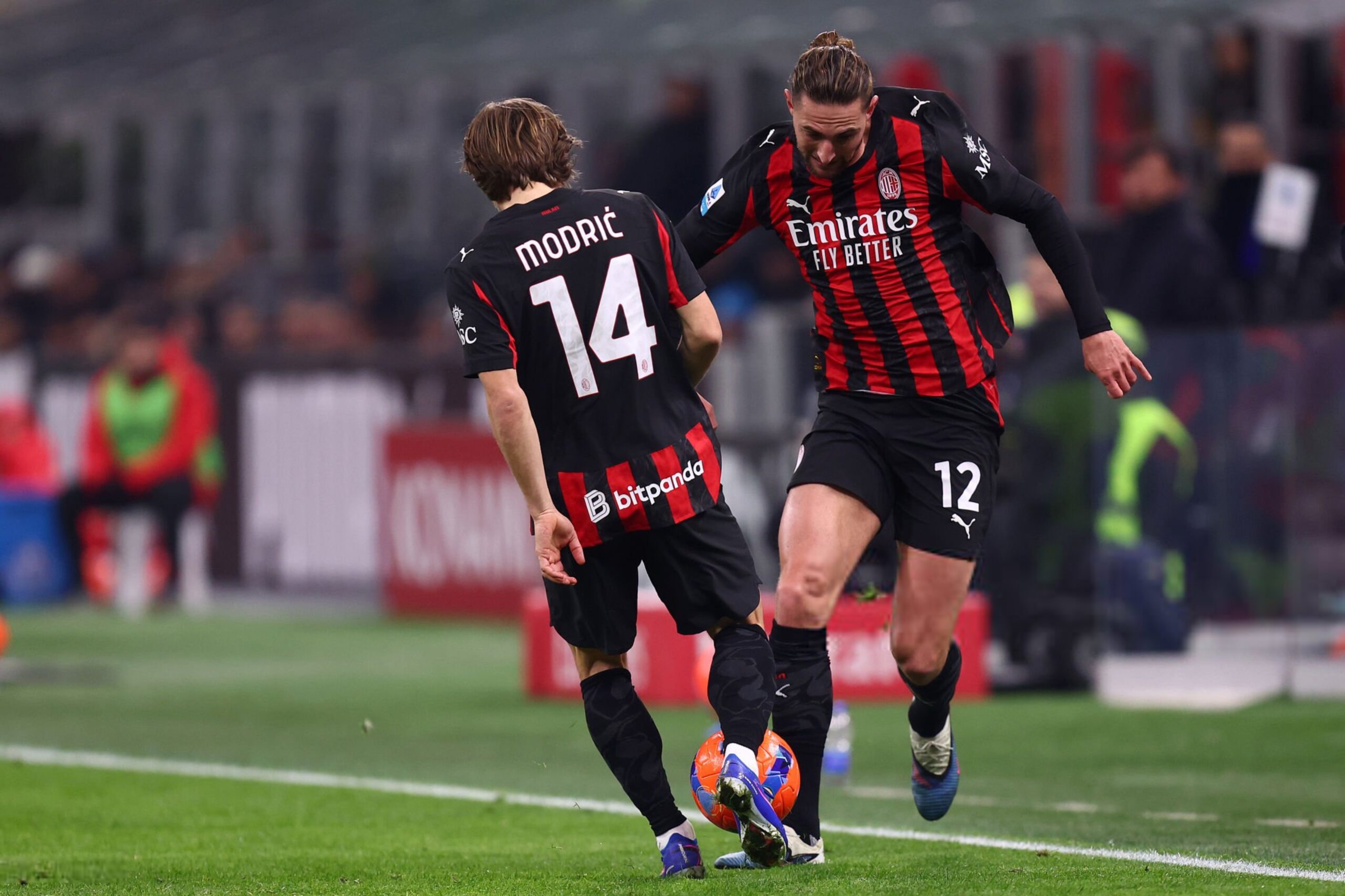
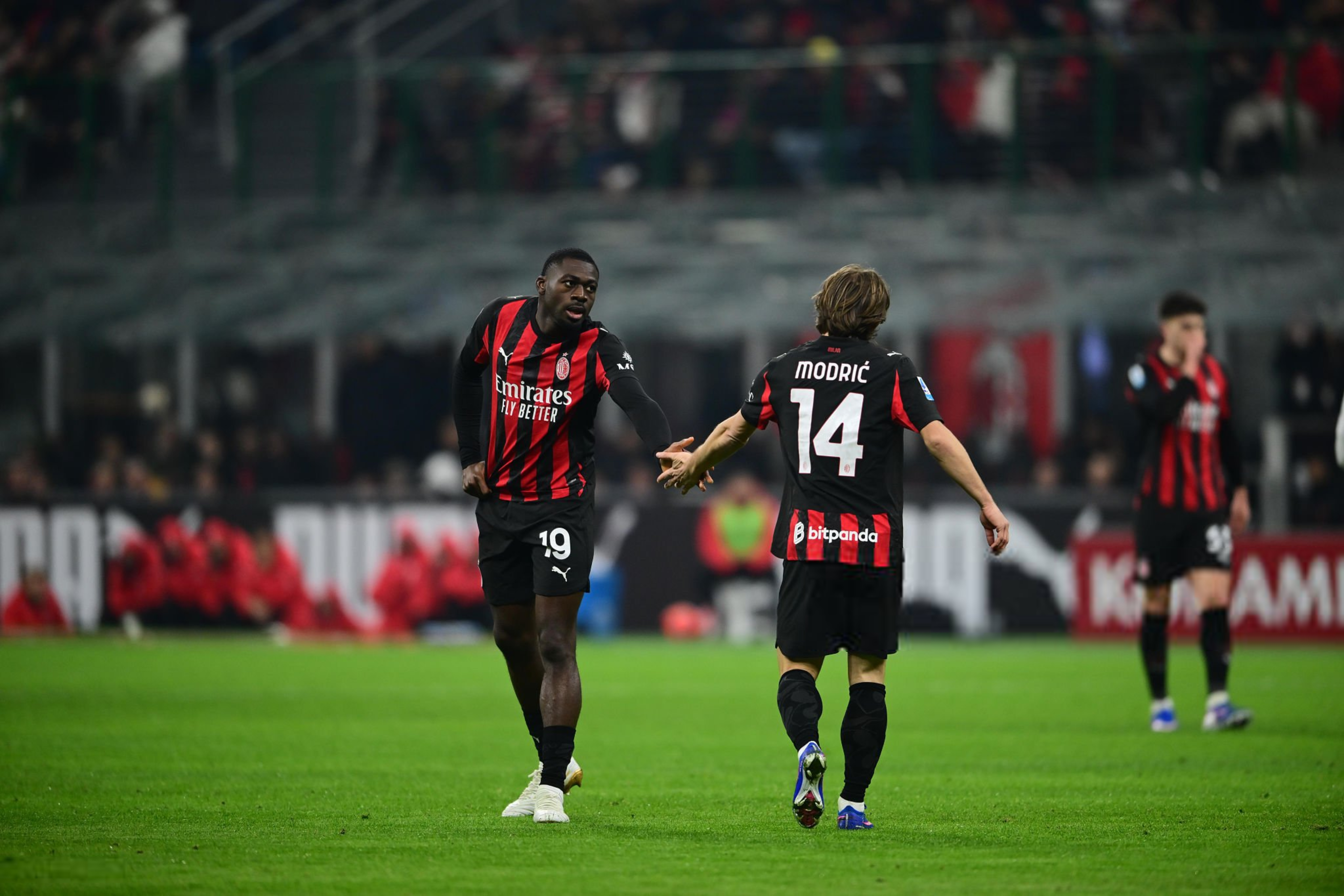
Luka Modrić joined Milan on a free transfer in July 2025, signing a one-year deal. He arrived at 40. Forty. For context, most footballers are wrapping up their careers around that age, not breaking Serie A records as the oldest player to debut in the division. And yet, here he is. He has completed more passes than any other player in Serie A this season, which at his age reads less like a statistic and more like an insult to everyone younger than him. For fans who track the game closely and want to follow every match development in real time, options like the download betting App in Nigeria Paripesa exist precisely because moments like this, a 40-year-old orchestrating a title chase, deserve more than casual attention. Milan rank first in Serie A for pass accuracy this season at 87.5%, and Modrić is the metronome behind that figure.
What makes him genuinely difficult to neutralize is the depth behind him. Allegri essentially built a trap. Double up on Modrić? That leaves Rabiot free, and that leaves wide options in one-on-one situations. Try to block passing lanes? Modrić reads those before the opponent finishes moving. A marker assigned to him against Napoli was in the top four players by distance covered, while Modrić himself was not, which tells the whole story about who was doing the chasing.
The Three Pieces and Why They Fit:
The reason this midfield works is not just individual quality. It is the combination of roles. Each player does something the other two do not. Here is roughly how the labor divides:
- Modrić controls tempo, distributes vertically, and reads pressure before it arrives. He creates 2.26 chances per 90 minutes, behind only Pulisic among Milan players.
- Fofana covers ground and wins duels. He leads the squad with 22 total shots, which, for a defensive midfielder, suggests he is not exactly hiding near the center circle.
- Rabiot attacks space and adds goal threat. He scored 10 goals for Marseille last season before arriving at Milan, which is a number that tends to surprise people who remember him as primarily a physical presence.
None of these three overlap badly. That sounds obvious, but Allegri has managed midfield combinations before where two players competed for the same zone and nobody won.
The Rabiot Reunion, and What Changed:
There is a certain irony in Rabiot ending up at Milan under Allegri. At Juventus, the Frenchman was a regular under Allegri, who pushed for him to join Milan and insisted he could fix the midfield. Rabiot left Juventus as a player whose value was perennially debated. He arrives in Milan, describing Modrić as someone who leaves him speechless, and looking every bit the midfielder his peak seasons at Juve promised.
Some things worth noting about how this trio compares to what Milan had before:
- Last season, Milan finished eighth in Serie A without European football.
- Key departures included Tijjani Reijnders to Manchester City and Theo Hernandez to Al-Hilal.
- The rebuild centered on experience over youth, which is either bold or alarming depending on your threshold for risk.
The gamble, so far, is paying off.
The Only Real Concern:
Questions have been raised about Milan's over-reliance on Modrić at 40. He has logged 2,713 minutes across 32 league matches, roughly 85 minutes per appearance. That is a heavy workload for anyone. For a 40-year-old, it is either testament to remarkable physical condition or a countdown nobody wants to think about. Rabiot himself noted that seeing Modrić train with such precision and intensity at his age is "remarkable".
The supporting cast exists. Samuele Ricci provides cover and tidy passing. Ruben Loftus-Cheek adds physicality from the bench. But the midfield's identity, its rhythm and its intelligence, runs through Modrić. Analysts have asked whether Ricci could eventually be his heir. That is a flattering framing for Ricci and a rather large inheritance.
For now, the balance Allegri has found looks real. Three players who complement rather than duplicate each other, a 40-year-old breaking records, and a club that went from eighth place to competing for second place in the league. Not bad for a summer most people spent arguing about whether the signings made any sense.