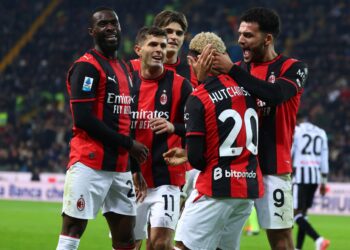

The "red and black revolution" continues, but for now Gerry Cardinale, Zlatan Ibrahimović and Massimo Calvelli have not yet filled any of the vacant roles in AC Milan’s organisational structure: five days after the dismissals of Giorgio Furlani, Geoffrey Moncada, Igli Tare and Massimiliano Allegri, the club is still missing a chief executive officer, a technical director, a sporting director and a head coach. The Rossoneri are simultaneously working on all four of these areas, including the future of the dugout.
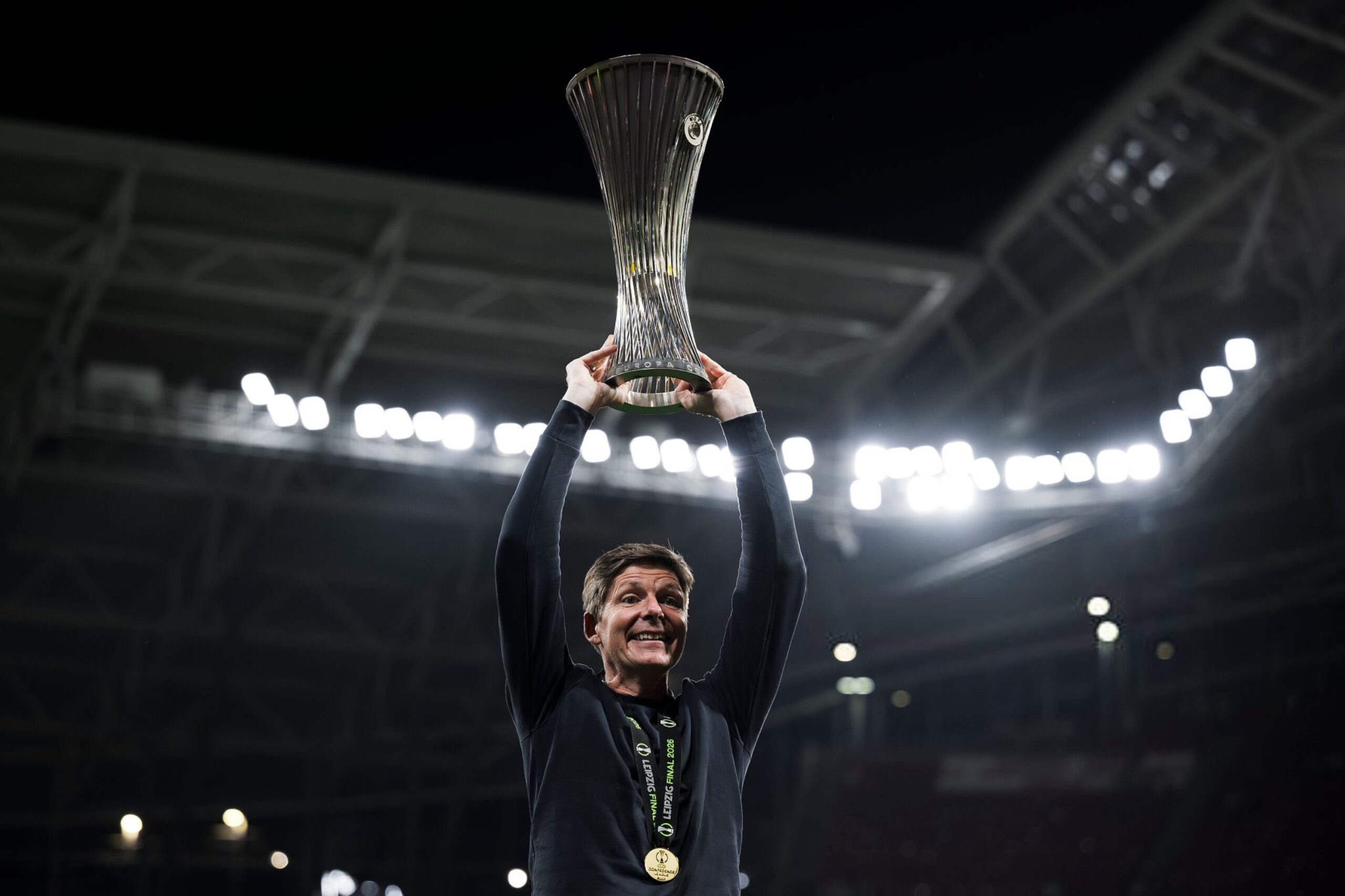
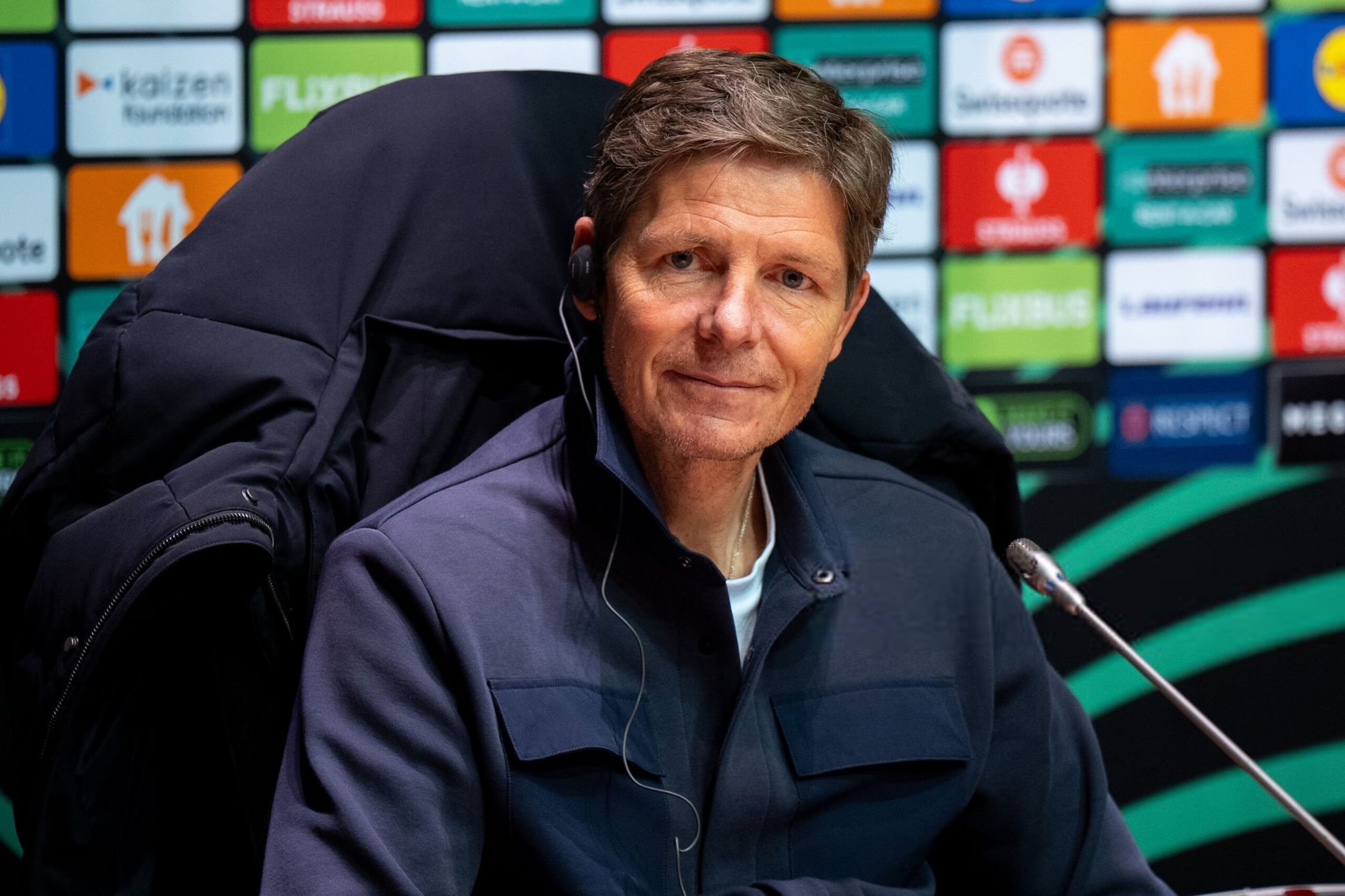
After rejections from Andoni Iraola, who will join Bayer Leverkusen, and Xavi, who is waiting for a national team offer, the current leading name for the “Diavolo” is Oliver Glasner, who is set to leave Crystal Palace after lifting the Conference League just a few days ago.
By the way, if Milan do land Glasner, the football philosophy will change compared to what Allegri has offered in the 2025–2026 season, and a lot could change, including fan excitement, with some beginning to look more closely into betway app as part of the narrative around capitalising on the Rossoneri's squad overhaul and new form.
When Glasner's life was in danger in 2011:
To learn more about the Austrian coach admired by Milan, today’s edition of La Gazzetta dello Sport begins with a specific day in his life: 4 August 2011, the day he truly came close to dying.
Glasner, then 36, was still an active player and was with his team, Ried, in Copenhagen for a match against Brøndby IF, part of the third qualifying round of the Europa League. On the morning of the match, Oliver felt a severe headache and immediately contacted the club doctor. Unable to determine the cause, the doctor decided to take him to hospital for tests.
The diagnosis was dramatic: a cerebral haemorrhage, likely caused by a collision in a match a few days earlier, requiring emergency surgery. The Austrian woke up the next day still intubated, and only some time later did he fully realise how close he had come to dying. Without the prompt response of the Danish medical team, things could have ended far worse.
Glasner's coaching career and how he met with Ralf Rangnick:
From that day onwards, Glasner’s life changed completely and he was forced to hang up his boots, ending his playing career.
However, he did not want to leave football, so he decided to begin a coaching career. His first role was as assistant to Roger Schmidt, one of the emerging coaches within the Red Bull system, at Red Bull Salzburg.
It was at that time that he first came into contact with Ralf Rangnick, who that same year had become sporting director of both the Austrian club and RB Leipzig. The German is currently the leading candidate to become Milan’s new head of technical operations, so it is possible their paths could cross again.
The decisive turning point in Glasner’s coaching career came in 2019, when he took charge first of Wolfsburg and then Eintracht Frankfurt, with whom he won the Europa League in 2022. After Germany, his journey continued in England with Crystal Palace, where he has lifted three trophies as manager of the Eagles.
What is Oliver Glasner's football philosophy?
Glasner is a coach who seeks to build a strong relationship and deep connection with everyone around him, especially within the dressing room.
Tactically, he has made his name primarily with a fluid 3-4-2-1 formation, capable of quickly shifting into a 4-4-2. The three key principles of his football are verticality, crossing, and individual duels.
Glasner and AC Milan's interest:
Following his success in the Conference League, Glasner announced his departure from Crystal Palace and, in recent hours, has become a target for Milan. He is expected to meet the club at the beginning of next week to get better acquainted and discuss a possible move to the Rossoneri bench, which is still without a settled leadership structure. Let's see if he will be the one to replace Massimiliano Allegri.