
The definitive formalisation of the new Milan corporate organisational structure, approved last night by owner Gerry Cardinale, marks the beginning of an unprecedented and controversial era. This RedBird revolution did not arrive as a linear choice, but as the inevitable consequence of a long chain of rejections and closed doors faced by the Italian-American entrepreneur over the past month.
Faced with the impossibility of reaching his primary targets for the sporting department, Cardinale was forced to fall back on an internal solution, promoting staff already present at Casa Milan.
The rhetoric of the "Liverpool model" versus supporters’ concerns
In the columns of the main sporting newspapers this morning, the new structure is presented in enthusiastic tones, celebrating the so-called “Liverpool model” and describing a lean, hyper-efficient organisation based on vertical expertise. The corporate narrative suggests that every piece has been placed in the right position to build a winning Milan.
The perception among supporters, however, is diametrically opposed and filled with deep doubts. The main concerns revolve around two major issues:
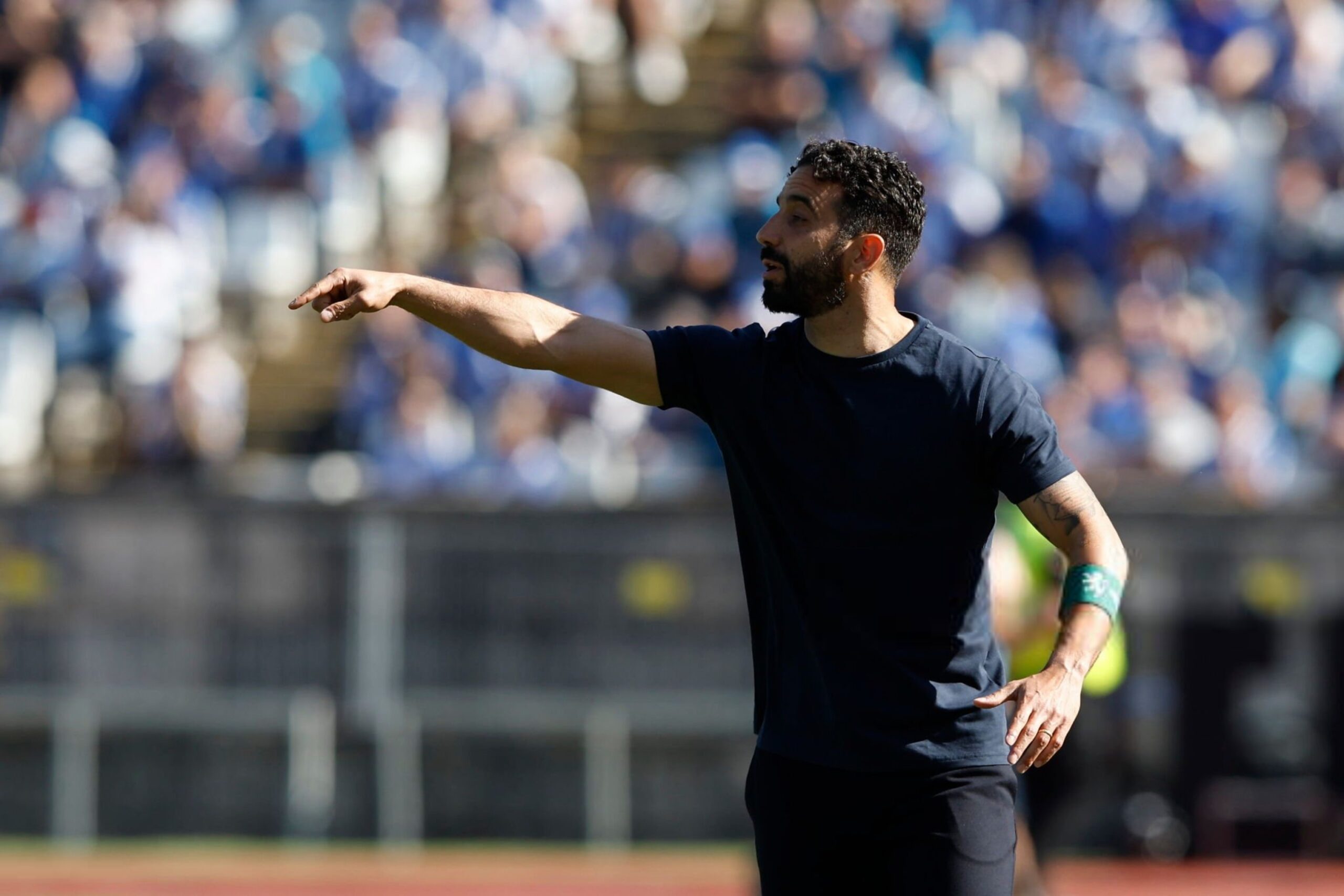
The isolation of Rúben Amorim: the new head coach finds himself without real institutional or political "protection" in the face of pressure from public opinion, as relayed via PianetaMilan.it.
The inexperience of the top management: office-based figures, used to working in the background of analytical departments, have been suddenly thrust into the sporting management of a club with immense prestige.
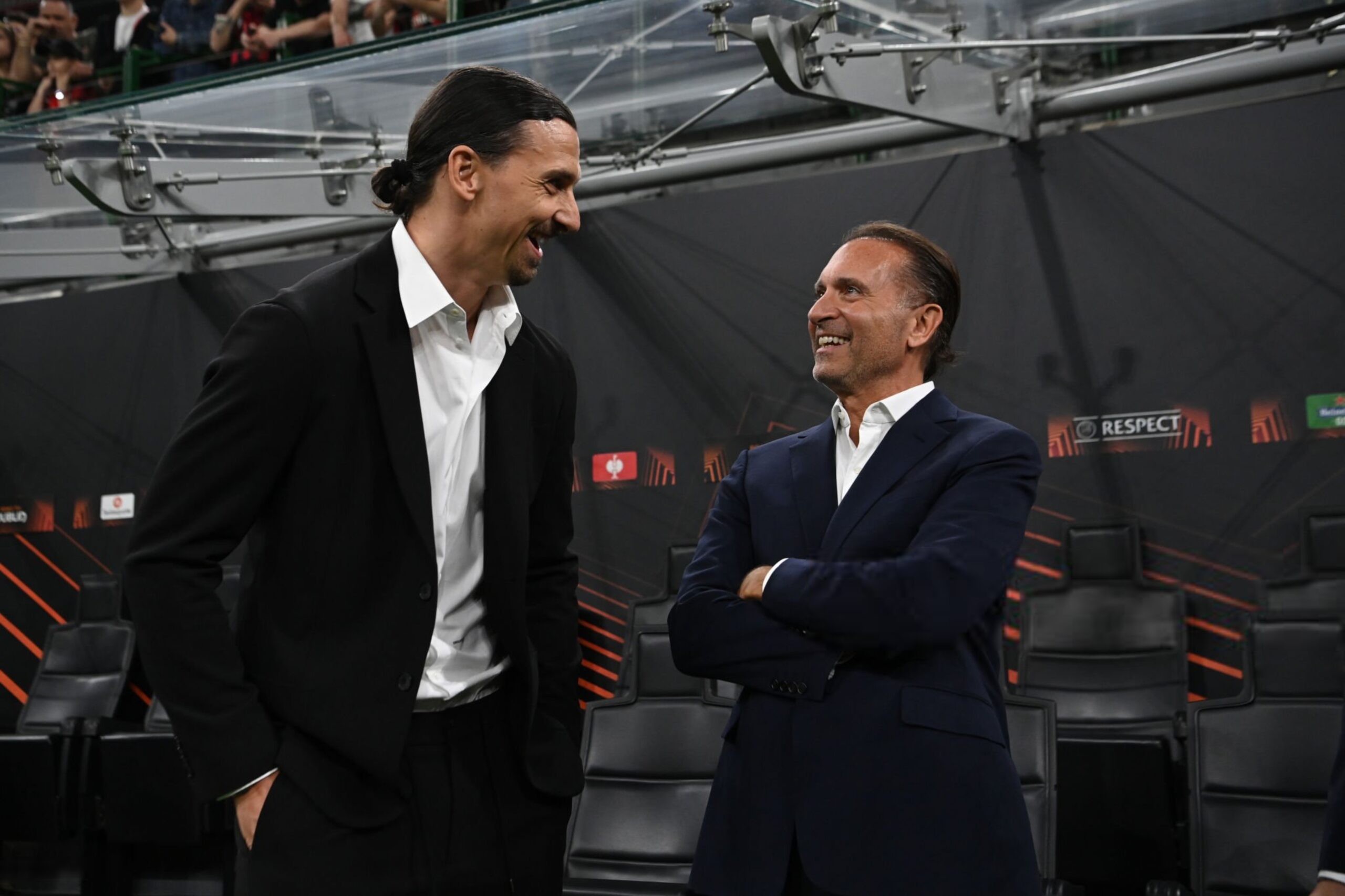
If the pitch remains the sole and ultimate judge of this project, the internal power map is now clearly defined. Cardinale will retain the final decision on every matter, supported by the strategic supervision of senior advisor Zlatan Ibrahimović. Administrative and financial management remains firmly in the hands of CEO Massimo Calvelli (with signing authority) and David Castelblanco (a RedBird member on the board).
The diarchy of algorithms: how RedBird’s transfer market works
Responses to Amorim’s squad needs will come from an unprecedented low-cost structure. Bobby Gardiner has been promoted to Director of Football Intelligence: he will gather the coach’s technical requests, process them through big data algorithms, and liaise with the scouting department led by Donato Lomonte to identify profiles with the best possible value for money ratio.
The operational phase of negotiations will instead be handled by Hendrik Almstadt, appointed Director of Player Trading. The title itself clarifies RedBird’s philosophy: to view the playing squad as an asset to be enhanced and monetised through constant major capital gains, maximising financial profit at the expense of tactical continuity.
The downsizing of the brand: is Milan becoming a mirror of Leipzig and Lille?
This hybrid structure only took shape after the collapse of Cardinale’s original plan. The ownership had long courted Ralf Rangnick to entrust him with the entire sporting direction, but the German manager, faced with corporate hesitation and the refusal to exclude Ibrahimović from decision-making, preferred to renew with the Austrian national team.
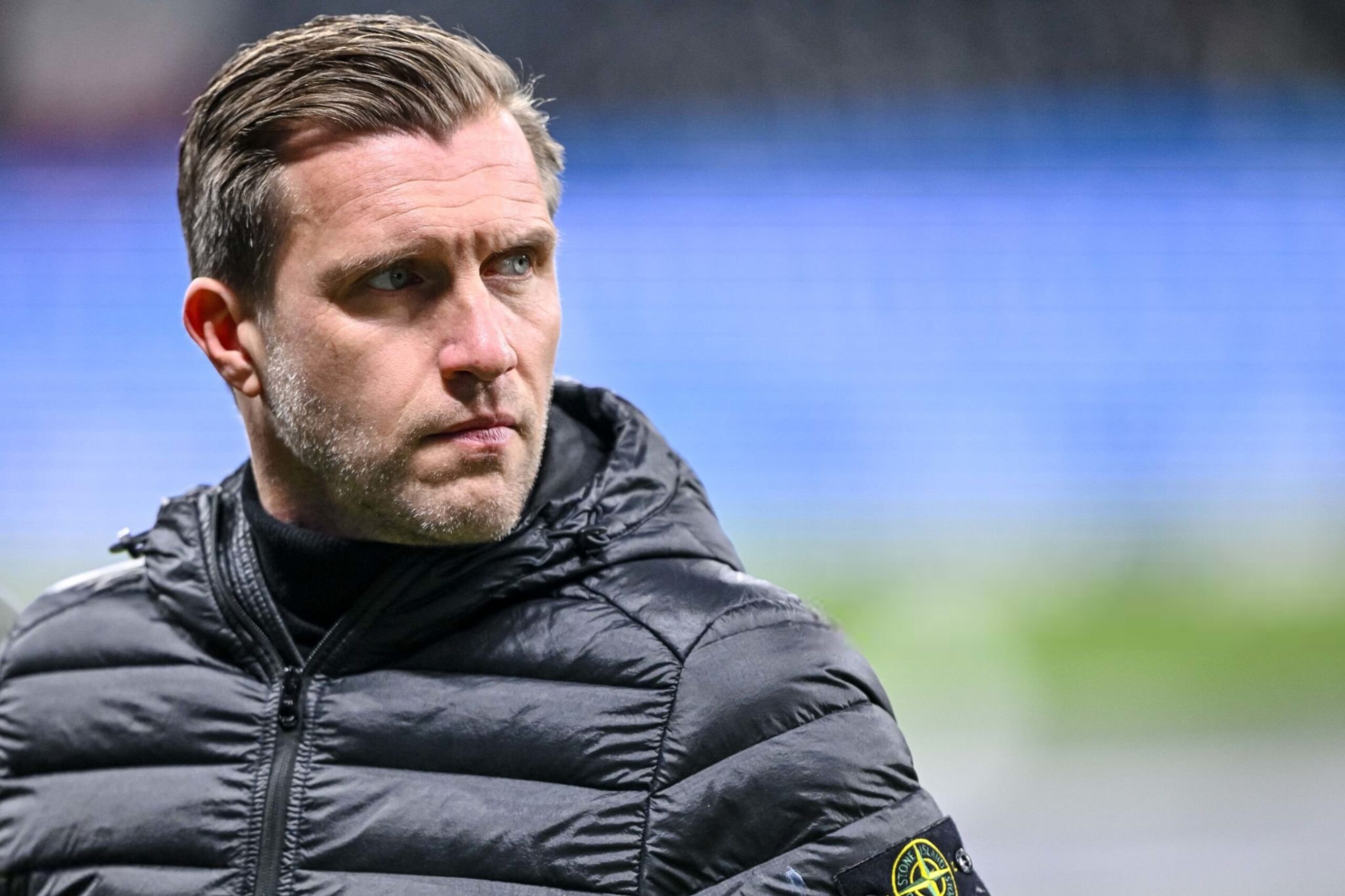
RedBird’s real target then became something else: to bring to Milan the duo made up of Markus Krösche (as Head of Football) and Timmo Hardung (as sporting director), directly from Eintracht Frankfurt. The strategic project was clear and mirrored the philosophy of mid-level European clubs such as Leipzig, Lille, or Hoffenheim: identify young talent at low cost, develop them in the red-and-black shirt to generate squad value, and resell them to the highest bidder in an endless economic cycle. A Moneyball model in which sporting success becomes merely secondary, and missing out on Champions League qualification is considered a calculated risk, easily offset by the sale of a prized asset.
This is a far from ambitious project, one that offends the history and winning DNA of a club boasting seven Champions League titles. Although the current path is an emergency internal solution, the underlying philosophy does not change.
Cardinale’s reluctance and the German penalty clause backstory
The link with Eintracht Frankfurt fell through for precise economic reasons. The German "Eagles" firmly resisted in order to protect their executives, with summer planning already underway (Krösche is secured under contract until 2028). During intensive diplomatic talks, the German position had partially softened with the possibility of releasing both executives in exchange for a penalty fee of around €10 million.
Cardinale deliberately chose not to invest this amount, pulling back and confirming that the actual liquidity within Casa Milan’s accounts is significantly limited for the 2026–2027 season. This internal setup may only be temporary, however: the two clubs could reopen talks in September, after the transfer window closes, to plan the arrival of the German pair in Milan ahead of the 2027–2028 season. What appears undeniable, however one interprets the situation, is that the Milan of your fathers and of tradition no longer exists.