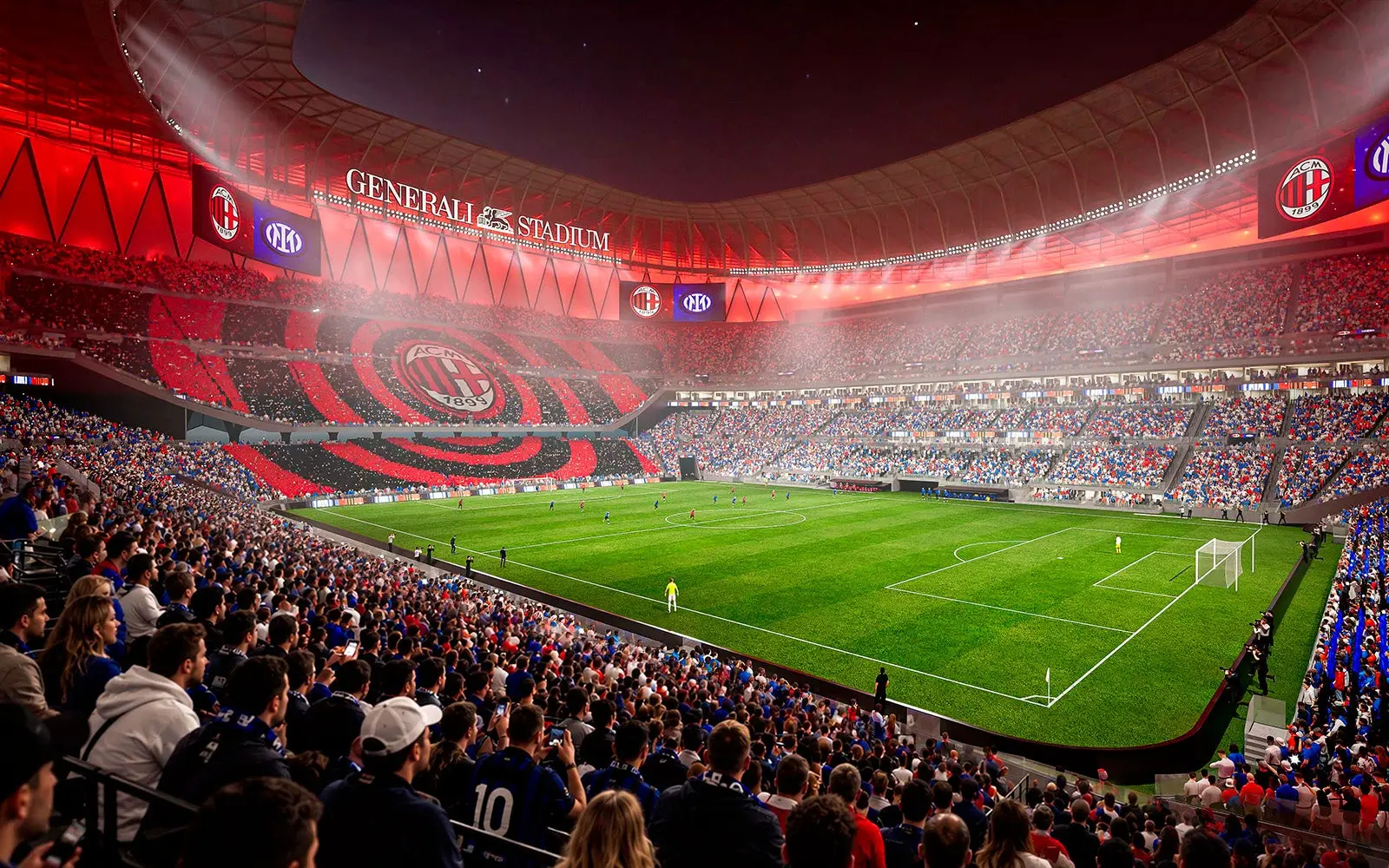

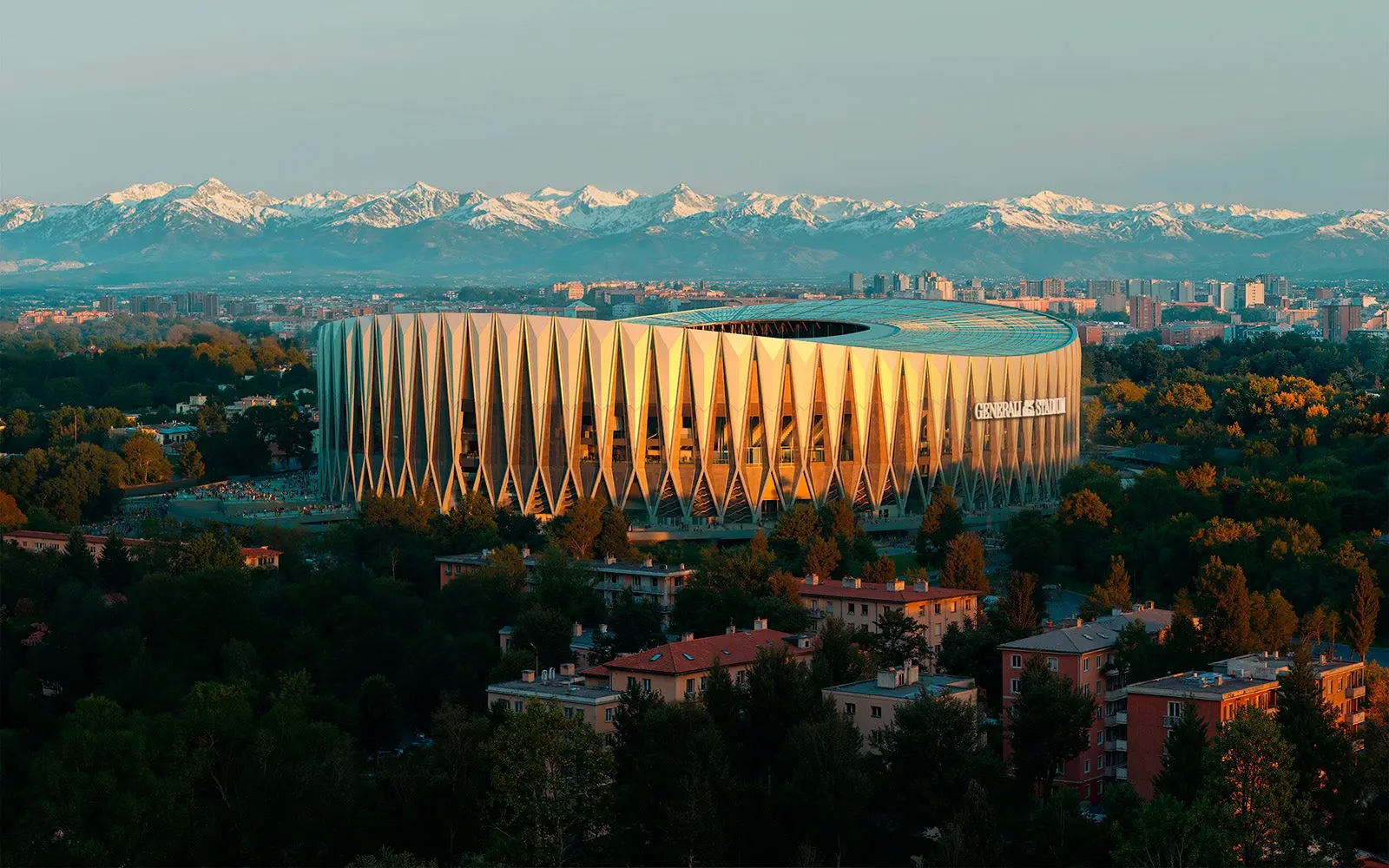
Norman Foster, the 91-year-old architect who designed the new Generali Stadium that will be built at San Siro, said in an interview with La Gazzetta dello Sport:
"Buildings have always inspired me. When I came here to Milan as a student, I took photographs with an old camera, and it is very interesting that I still use those images today. I have always been impressed by the extraordinary Galleria Vittorio Emanuele, La Scala, Piazza Duomo, Torre Velasca and the Pirelli Skyscraper.
"This X-shaped structure has the advantage of being efficient and visually pleasing. The portico has large openings, falls within the tradition of porticoes, and I believe that, subconsciously, it was inspired by some of Pier Luigi Nervi's works. It functions as a support for the corridors and the roof, giving it character and identity. This makes the stadium different from the others.
"The distinguishing features will be its sophistication and the structural model that supports the entire building. The expression of this structure is the architecture itself: it is a characteristic of many historic buildings and is also a distinctive feature of many types of constructions on which I have worked with my colleagues. I therefore believe that this idea, whereby structure is architecture and architecture is structure, represents the link between the present and the future. I would describe it as monumental and Milanese.
"Instead of trying to incorporate some element of the old stadium's memory into the new stadium, I would like us to demonstrate the possibility of preserving a much more substantial part of it, as part of the redevelopment project for the entire area. I would like to explore the possibilities of preserving the stadium much more thoroughly, but that is part of the work that lies ahead of us.
"I have never been to the Stadio Meazza to watch a football match, and I regret that, but perhaps I will manage to do so in the future."
Norman Foster added:
"If I were to purchase a season ticket for the Generali in 2032, I would like to have two possibilities: to watch one match in one end and another match in the opposite end. Initially, to be honest, I had thought it would be nice to be close to the action, pitchside, but in that case I would not have been able to see the entire match. So I thought it would be better to sit in the centre, up high, to observe the entire pitch. Then I said to myself, 'No, I would like to be among the fans, to feel the intensity of that extraordinary emotional participation.'"