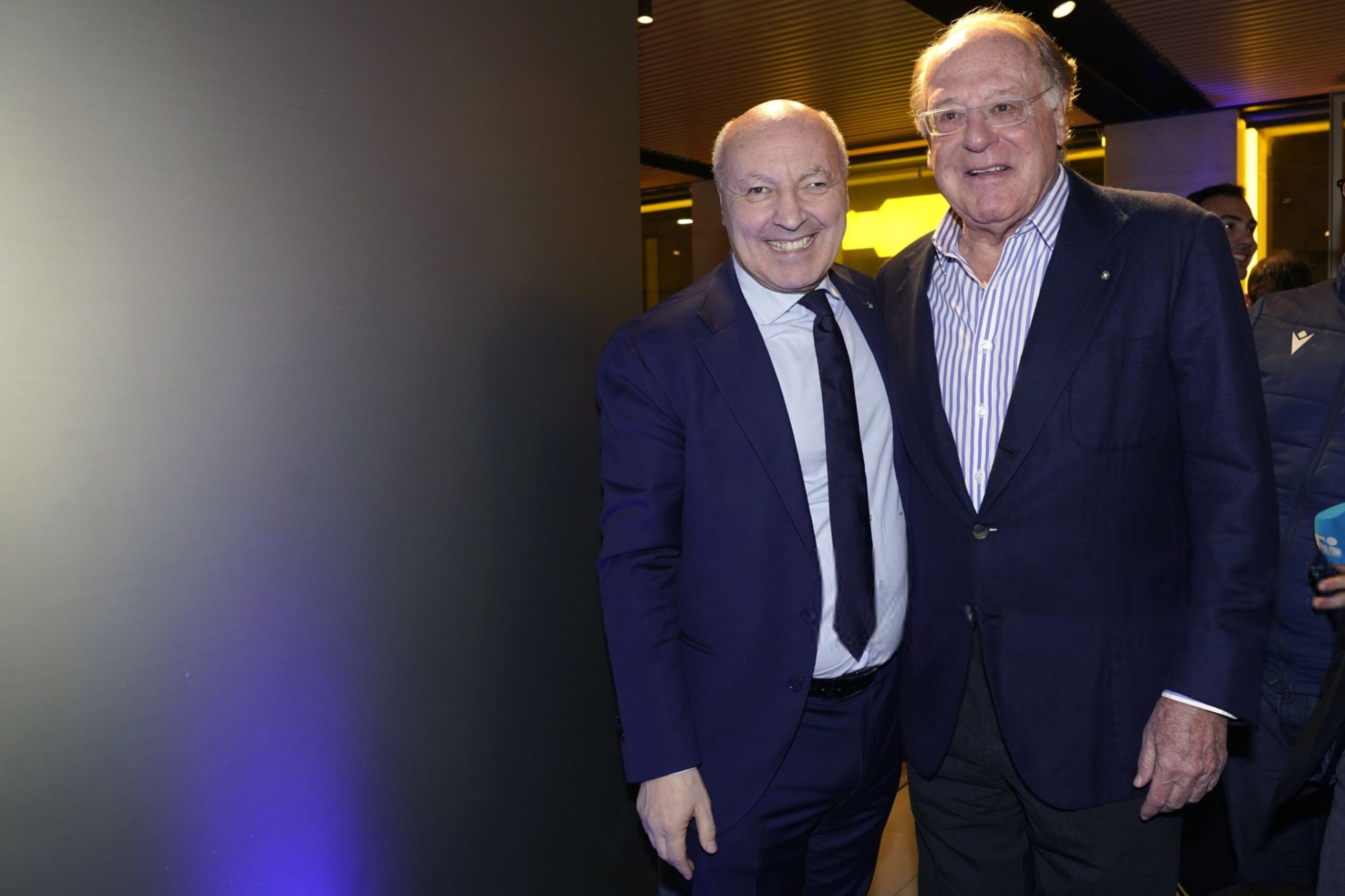

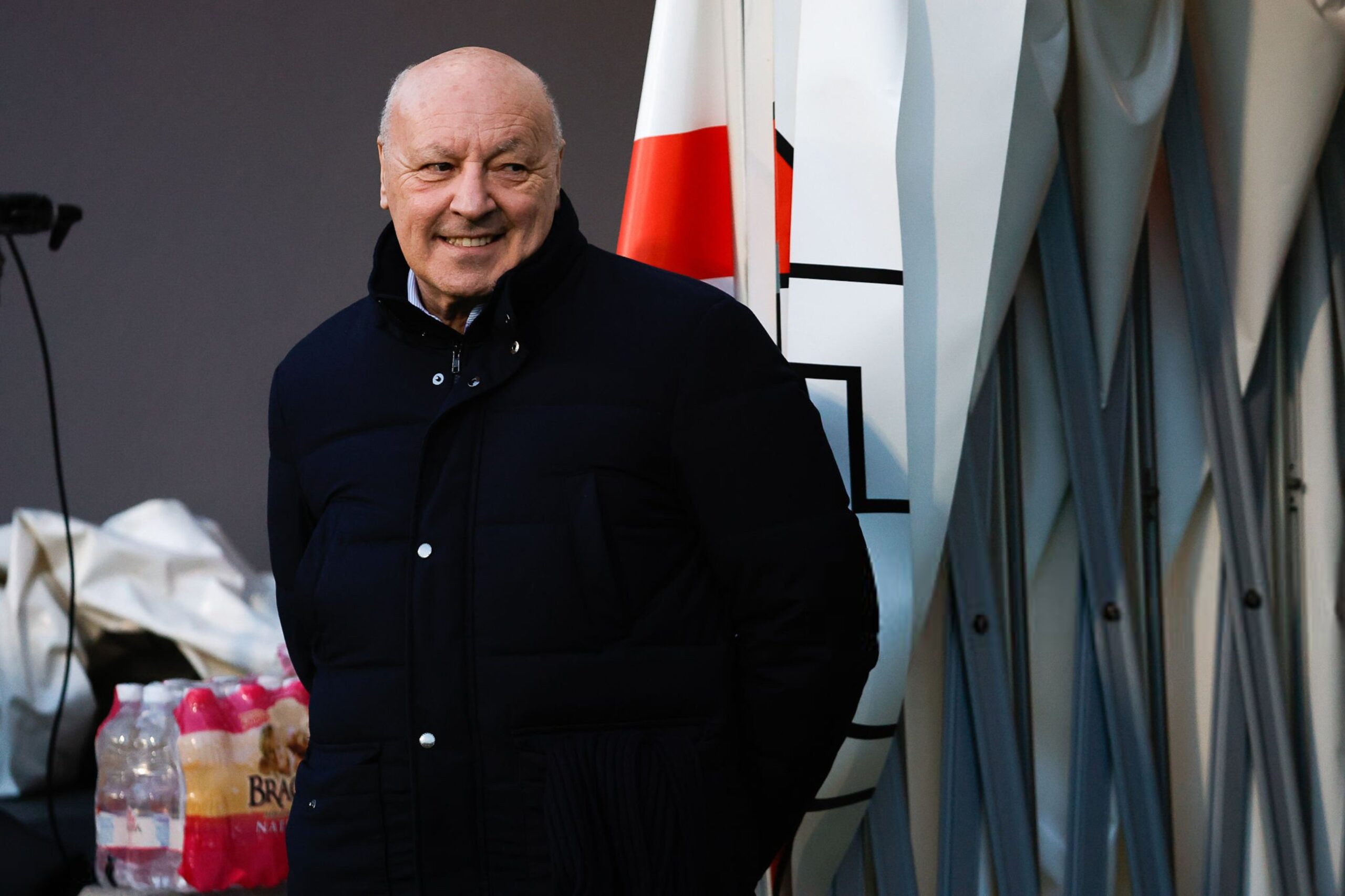
The president of Inter, Beppe Marotta, spoke to DAZN about the new San Siro stadium project.
Here's what he had to say:
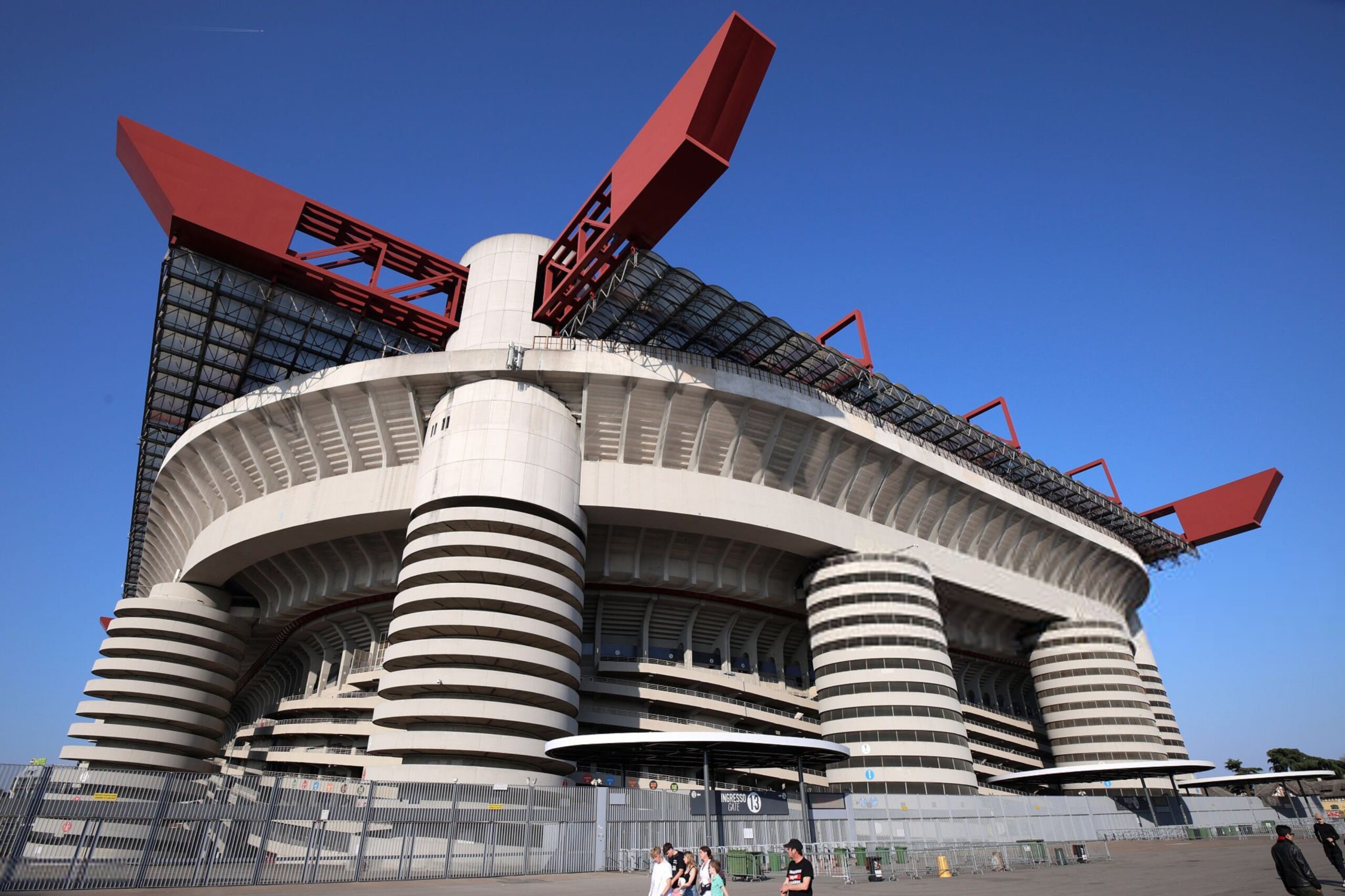
“Why a shared stadium? Because it has a single origin, history shows it. For decades, both Milan and Inter have played at San Siro. Let’s say we are Milan, and Milan is Milan and Inter, so it was logical to continue on this path because both of us definitely have futuristic ideas about what our stadium can be. But today, the required standards can no longer be met, so it is natural that we must build a stadium that instead meets modern standards, in terms of safety, attendance, and hospitality. The stadium must be a structure active twenty-four hours a day throughout the week, so it is normal that San Siro no longer meets these requirements because it is aging… moreover, the average age of stadiums is around sixty years, so I mean, these are all structures that present challenges. Hence the need to build the new stadium, while respecting the values and emotions that San Siro has given to our generation and the previous one. It is an icon and must be considered as such.”
“In the last 20 years, 250 new stadiums have been built in Europe… of these, only five in Italy. That says a lot about how much we are now at the bottom in this regard. The facilities are clearly a negative aspect of our sports sector, but this is certainly not the government’s fault. I would say the responsibility lies with politics: over these decades, it has given little attention to what actually represents an asset, the facilities and stadiums in cities. It is normal that the process a club starts today is bureaucratically difficult and long, it must be more fluid and simple. It is not a matter of money; capital can be found, as in our case. The problem is that bureaucracy is very rigid and often willingly becomes a tool to discourage potential investors.”
Marotta added:
“Regarding EURO 2032, the hope is to have a new stadium by 2030, slightly ahead of schedule. Imagining that Milan would not be among the stadiums hosting European Championship matches is unimaginable. Milan must be present; the investments of Oaktree and RedBird align with this: our owners have done a lot to get here and want a stadium ready by that date. Imagining it would not exist would mean there were bureaucratic problems, not a lack of will from the owners. I hope that this process, also thanks to the Municipality, Region, and Government, where there is the sensitivity of a minister who appointed a dedicated commissioner, can ensure a fast procedure. The difficulty arises from the slowness of the process, which with the commissioner must be eliminated.”
Marotta concluded by saying:
“We are still in an initial phase where authorizations from the Municipality and the Region are required; we will then move to the phase of creating the project, which will be done by Foster and Manica. They are two icons of sports architecture and beyond. The goal is to be able to play the first match by 2030.”