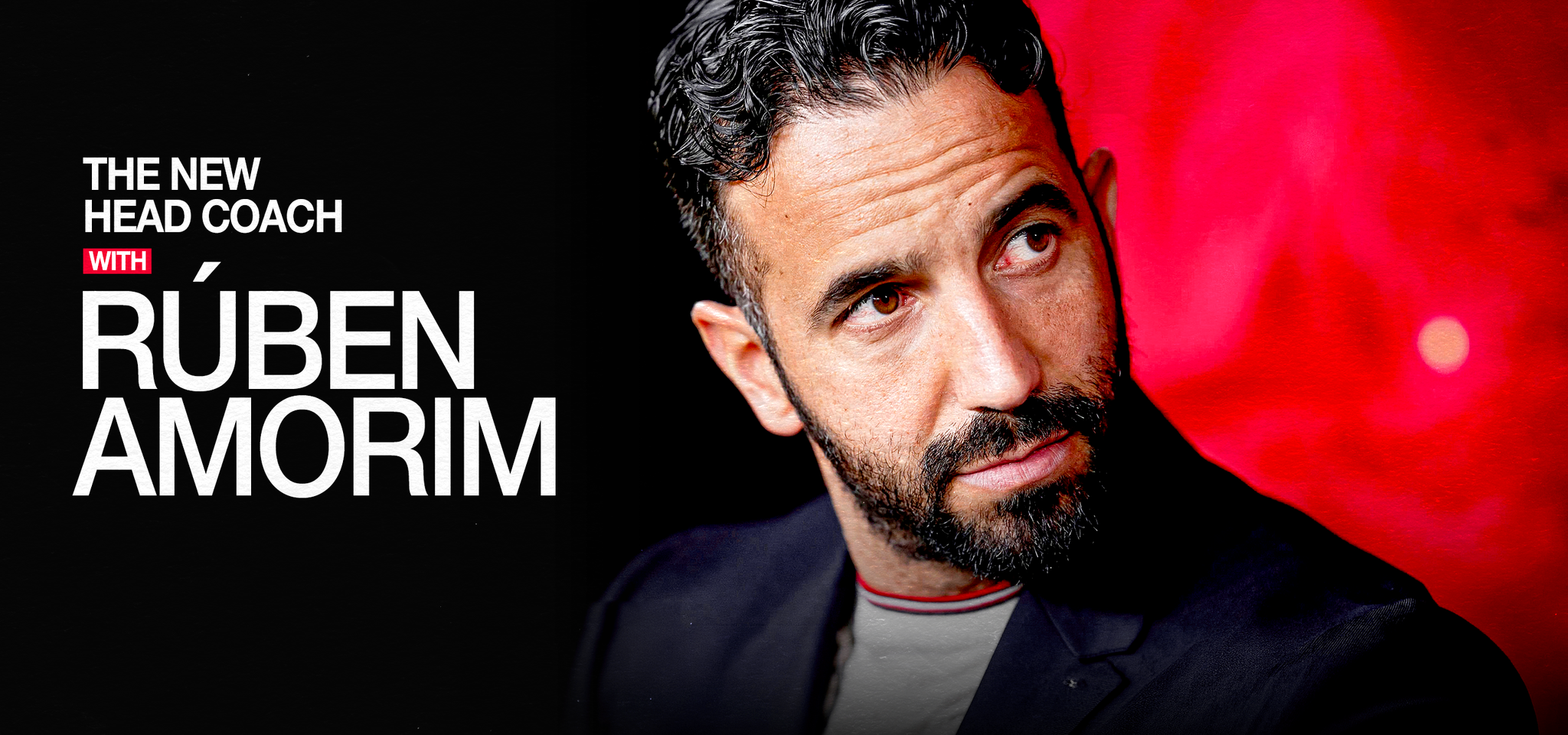


The official appointment of Rúben Amorim to the Milan bench has given a shock to the Rossoneri environment, bringing with it a breath of modernity and an unwavering tactical certainty: the switch to a back three.
The Portuguese coach, following his experiences with Sporting CP and Manchester United, is a strict advocate of the 3-4-2-1 (or 3-4-3), a system of play in which the wide midfielders are not simply full-backs pushed into attacking phases, but the true engines of the team.
They must provide width, be able to beat their man, cover the entire flank, and possess extraordinary stamina.
For the Rossoneri supporters, they can keep an eye on Amorim’s team’s results in the new season and even make informed decisions before matches in order to win big thanks to 1Win app download. In fact, fans can even bet on the total number of yellow/red Cards or on total number of corners per match, with only decimal odds being provided.
Looking at Milan’s current squad, a question naturally arises: are the players currently available suitable to sustain this revolution? The answer, analysing the profiles in the squad, is a clear no. Milan has an absolute and urgent need to invest heavily in the wide areas.
On the right, with Saelemaekers and Athekame, the club hierarchy feels reasonably covered, but Amorim does not. The first half of the season for the Belgian, after his return to Milan, was excellent. Then, partly due to excessive playing time, his form dipped slightly. But at that very moment, Athekame stepped up with solid performances. However, Amorim might move Saelemaekers into the attacking midfield line, and in that case a major signing would be needed for the wide midfield role, as pointed out via those at Milan Press. Furthermore, the return from loan of Musah does not appear to be a valid option for the Rossoneri.
Amorim on the right has always demanded players capable of producing goals and assists (just think of what Pedro Porro did in Lisbon).
On the left, the situation is quite similar, but the quality is even lower than on the right. Bartesaghi has shown he deserves a starting place at Milan. A player who has been a positive surprise this season and who best embodies the Milan spirit. At the first opportunity, he managed to win over the fans, who would be reluctant to give up the 2005-born player. However, for Amorim, Bartesaghi is seen as a left-sided centre-back rather than a wide midfielder.
The characteristics that the new coach does appreciate are those of Estupiñán: the former Tottenham player is the prototype of the type of footballer the coach would like, but after the poor season he had in a Milan shirt, Amorim would hardly rely on him. But be careful: that is the prototype required.
A significant investment by AC Milan is needed
Milan cannot afford to begin the Amorim era with a strange tactical hybrid. To make the Portuguese coach’s ideas work, specialists are needed. The Rossoneri hierarchy will necessarily have to intervene in the transfer market: at least one top-level right-sided wide player is needed, capable of beating his man and creating numerical superiority, and a counterpart (or a starter, should Estupiñán leave) on the left who understands the mechanisms of a back three.
This year, more than ever, greater effort in pre-season preparation will be required to convince the coach. Signing wide midfielders is not a luxury; it is the entry fee for Rúben Amorim’s football.